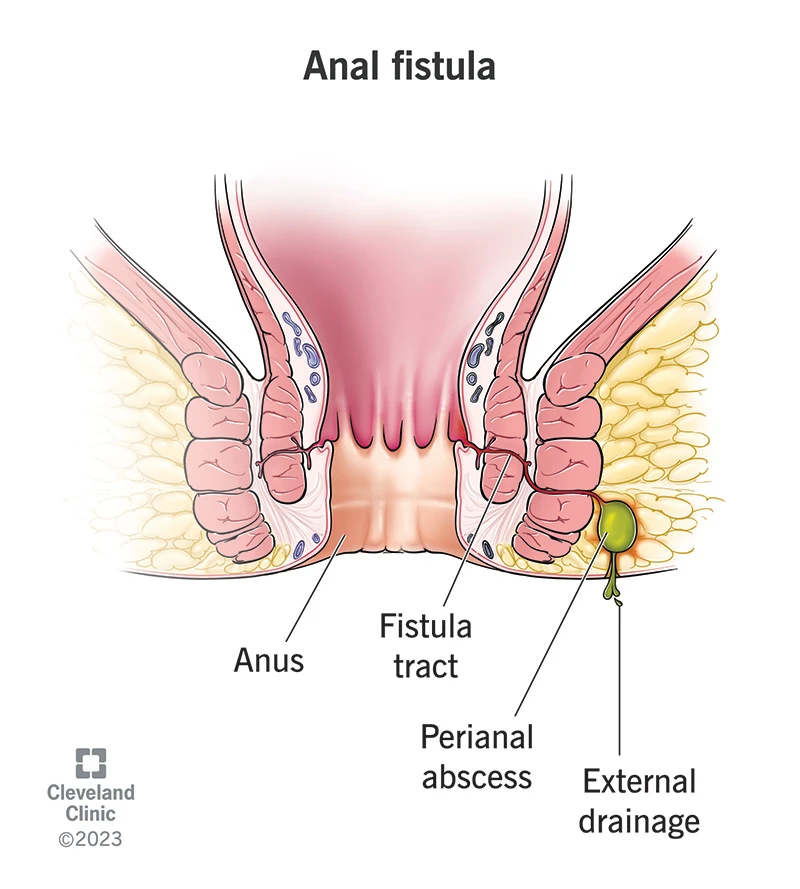

A fistula is a common health condition characterized by the formation of a small tunnel in a place where it shouldn’t be forming. It has many types, and anal fistula is the most common of all. The condition may lead to immense pain and discomfort and disrupt the quality of your life. It is imperative to visit a doctor for the treatment.
What are the Causes of Fistula?
Anal fistula doesn’t appear out of nowhere. Certain triggers may cause this condition to develop, including the following:
- Infections: An abscess that doesn’t heal on time may turn into an anal fistula, leading to discomfort.
- Gut Problems: Gut problems, like Crohn’s Disease or colitis, are one of the most common causes of the fistula that makes the inside irritated.
- Injury: Any cut, tear, or even a past operation in the region may lead to the formation of the tunnels.
- Long-Term Inflammation: In some cases, long-term inflammation is directly related to the formation of the fistula. When the body is fighting something for a long time, a fistula may be the result of a side effect.
What are the Symptoms of a Fistula?
It is advised to be watchful of the following symptoms and make a visit to the doctor if you experience one or all of them:
- Blood discharge every time you use the washroom.
- Pain, swelling, itching, or irritated skin around the anus, especially around its opening.
- Immense pain while passing stools or urinating, which worsens over time
- Fever and fatigue
- Foul-smelling and frequent episodes of discharge from the anal opening.
Is a Permanent Treatment of the Fistula Possible?
There are many treatment options for fistula. Whether or not they cure your problem permanently depends on various factors, especially how well you follow the treatment prescribed by the doctor. The early stages of this condition may be treated with non-surgical treatment options. However, if the fistula has advanced to later stages, you may need a surgical intervention to treat and cure it permanently.
Non-Surgical Treatment Options
Medicines
Medicines like antibiotics are the first line of treatment for fistula. They help fight infections when the pus is leaking out. If the reason for your condition is Crohn’s disease, the doctor will prescribe this drug to soothe your gut inflammation. However, it is a temporary treatment option, and medication alone doesn’t fix the tunnel itself.
Drainage with a Seton
A seton refers to a soft thread placed on the location of the fistula to keep it open and drain the pus. Although not a cure, you can pair it with medication and stop the pus from building. The use of a seton also reduces swelling and pain. This treatment works best for small fistulas.
Fibrin Glue
Fibrin glue may be used as a natural sealant in the location of the fistula to plug it up. It is a less invasive method than surgery. However, it doesn’t always stick to the fistula, especially in the case of bigger fistulas.
Diet & Lifestyle
In addition to medication and alternative therapies, your doctor may recommend essential diet and lifestyle changes that you should follow to manage the symptoms of this condition in the long run. You should include more fiber in your diet and drink enough water to avoid constipation. With healthy lifestyle habits, your chances of recurrence of fistula will decrease exponentially.
Surgical Treatment Options
When non-surgical treatment options do not come to your rescue, the doctor may turn to surgical recourse for the treatment of your condition. Surgery is touted as a better and safer option that can potentially cure fistula permanently. Doctors recommend surgery in case of complex fistulas where there are multiple tracts, excessive discharge of pus, and a larger size of the fistula. If you have conditions like diabetes, weak immunity, or Crohn’s disease, the doctor may suggest surgical treatment.
Depending on the severity of your fistula, the doctor may suggest one of the following surgical options:
- Laser Fistula Treatment: A laser fiber will be inserted into the fistula tract to seal it from the inside without causing damage to surrounding tissues. It is a quick and precise method that doesn’t require a longer hospital stay. Owing to its minimally invasive nature, the recovery time is reduced.
- Ligation of Intersphincteric Fistula Tract: Also known as the LIFT technique, the surgeon identifies the fistula, ligates, and removes it while preserving sphincter muscles. It results in a reduced risk of incontinence.
- Video-Assisted Anal Fistula Treatment: Popularly known as VAAFT, this procedure involves the insertion of a thin camera to view and precisely treat the fistula tract. This targeted approach results in less pain and faster healing.
- Conventional Fistulotomy/Fistulectomy: In some cases, a simple opening or removal of the tract is required, and the surgeon performs a conventional fistula surgery to treat the condition.
Takeaway
Ignoring a fistula may make it more complex and harder to treat. It can even shape into a serious infection and take a toll on your quality of life. You must, therefore, be watchful of its symptoms and visit a doctor to find the best treatment option.












Sign in to leave a comment.