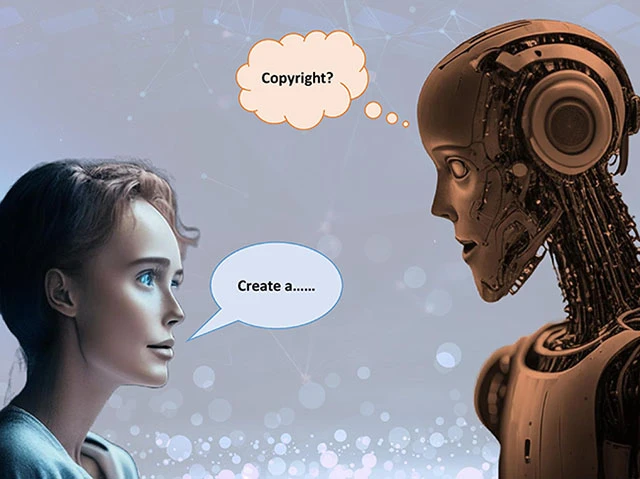

In the age of ChatGPT, Midjourney, and other AI tools, content can be produced in seconds — but the question remains: who owns it? If you're a Canadian content creator, marketer, or business owner using AI-generated material, it's time to understand how Canadian copyright law applies.
So, let’s break it down: Is AI generated content copyright protected in Canada? The short answer is — not really, or at least not clearly.
Copyright Law in Canada: Made for Humans, Not Machines
Under Canada’s Copyright Act, only original works created by a human author qualify for copyright protection. That means AI — no matter how advanced — cannot be considered an author, and the content it generates may not automatically be protected by copyright.
So, if a robot wrote it, painted it, or coded it — the law doesn’t quite know what to do with it.
Can You Claim Copyright Over AI-Generated Content?
This is where things get murky. If AI can’t be the author, does that mean no one owns the content it creates?
Not necessarily. Ownership may depend on how the content was created:
- If you guide the AI with detailed prompts and edit the results, you might be considered the author — especially if your creative choices significantly shape the final output.
- If the AI generates content with minimal input from you, there's a risk it won’t meet the originality requirement under Canadian law. In that case, it may not be protected at all.
What About AI Platform Terms?
Most AI tools — like OpenAI’s ChatGPT or Google’s Gemini — include terms of use that assign rights to users. So, even if Canadian law hasn’t caught up yet, you may still have usage rights based on the tool you used.
That said, platform permissions don’t override copyright law. If the content isn’t legally protectable, it might fall into a grey area, especially when reused or redistributed by others.
Risks for Businesses and Creators in Canada
Here are a few things Canadian businesses and creators should consider:
- Avoid relying on AI alone for important or commercial content. Combine AI output with human-written elements.
- Keep detailed records of prompts and your edits. This can help support any copyright claim.
- Be careful with reuse, especially for resale or licensing — you may not legally own full rights to content made purely by AI.
How Does This Affect the Future of Copyright in Canada?
Canada has yet to update its copyright laws to address the rise of artificial intelligence. However, the issue is gaining attention globally. In the future, Canada may:
- Introduce new laws for AI-assisted works.
- Define the threshold of human input required for protection.
- Clarify ownership in commercial contexts (e.g., marketing or publishing).
Until then, treat AI as a tool — not a replacement for human creativity.
Final Takeaway
So, is AI-generated content copyright protected by Canadian copyright law? Not automatically — and not unless a human plays a meaningful role in shaping the final result.
If you're using AI in your creative or business process, make sure you’re still contributing, directing, and refining the content. That’s your best shot at ownership — at least for now.










Sign in to leave a comment.