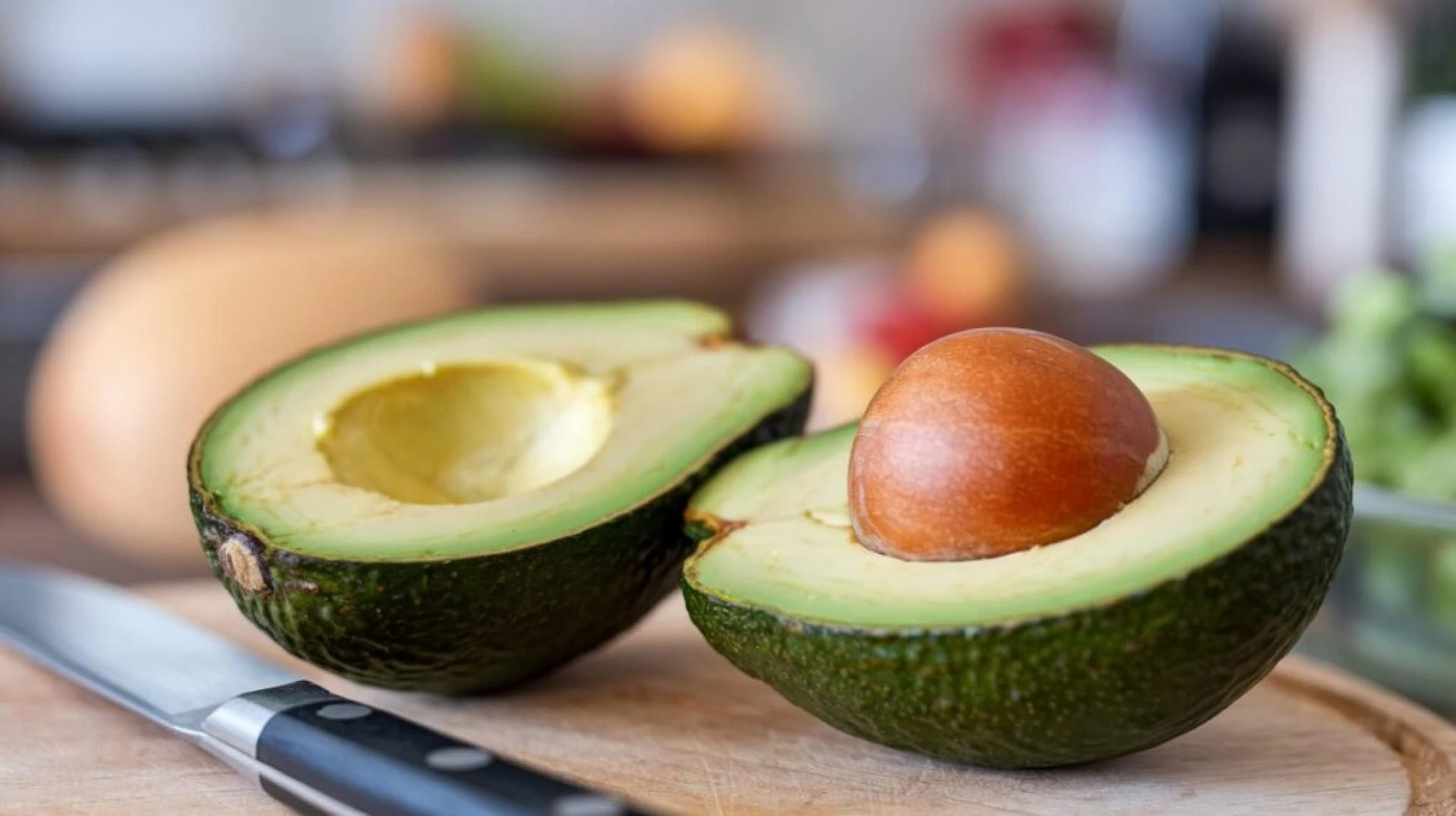

If you follow a low-FODMAP diet, you might be wondering, are avocados low FODMAP? Avocados are a nutrient-dense fruit packed with healthy fats, vitamins, and minerals, but their FODMAP content varies based on portion size. This guide will help you determine how to enjoy avocados while managing digestive symptoms.
Understanding FODMAPs in Avocado
FODMAPs (Fermentable Oligosaccharides, Disaccharides, Monosaccharides, and Polyols) are short-chain carbohydrates that can cause digestive discomfort for people with irritable bowel syndrome (IBS) and other gut sensitivities. Avocados contain sorbitol, a polyol that can trigger symptoms in those sensitive to FODMAPs.
Are Avocados Low FODMAP?
The answer depends on portion size. According to Monash University, which specializes in FODMAP research, a small serving of avocado (about 30 grams or two tablespoons) is considered low FODMAP. However, larger servings (over 80 grams) contain high amounts of sorbitol and may lead to digestive distress.
How to Enjoy Avocado on a Low-FODMAP Diet
If you love avocado but follow a low-FODMAP diet, here are some ways to enjoy it safely:
- Stick to a small portion: Limit your intake to two tablespoons per meal to keep FODMAP levels low.
- Combine it wisely: Pair avocado with other low-FODMAP foods, such as eggs, rice cakes, or gluten-free toast.
- Use avocado oil: Avocado oil is free from FODMAPs and provides the same healthy fats without digestive concerns.
- Try alternative spreads: If avocado triggers symptoms, consider lactose-free cream cheese or peanut butter as substitutes.
Conclusion
So, are avocados low FODMAP? The answer is yes, but only in small portions. If you’re following a low-FODMAP diet, you can still enjoy avocado in moderation without triggering symptoms. Always listen to your body and adjust your intake based on your tolerance level. For personalized dietary advice, consult a registered dietitian familiar with the low-FODMAP approach.













Sign in to leave a comment.