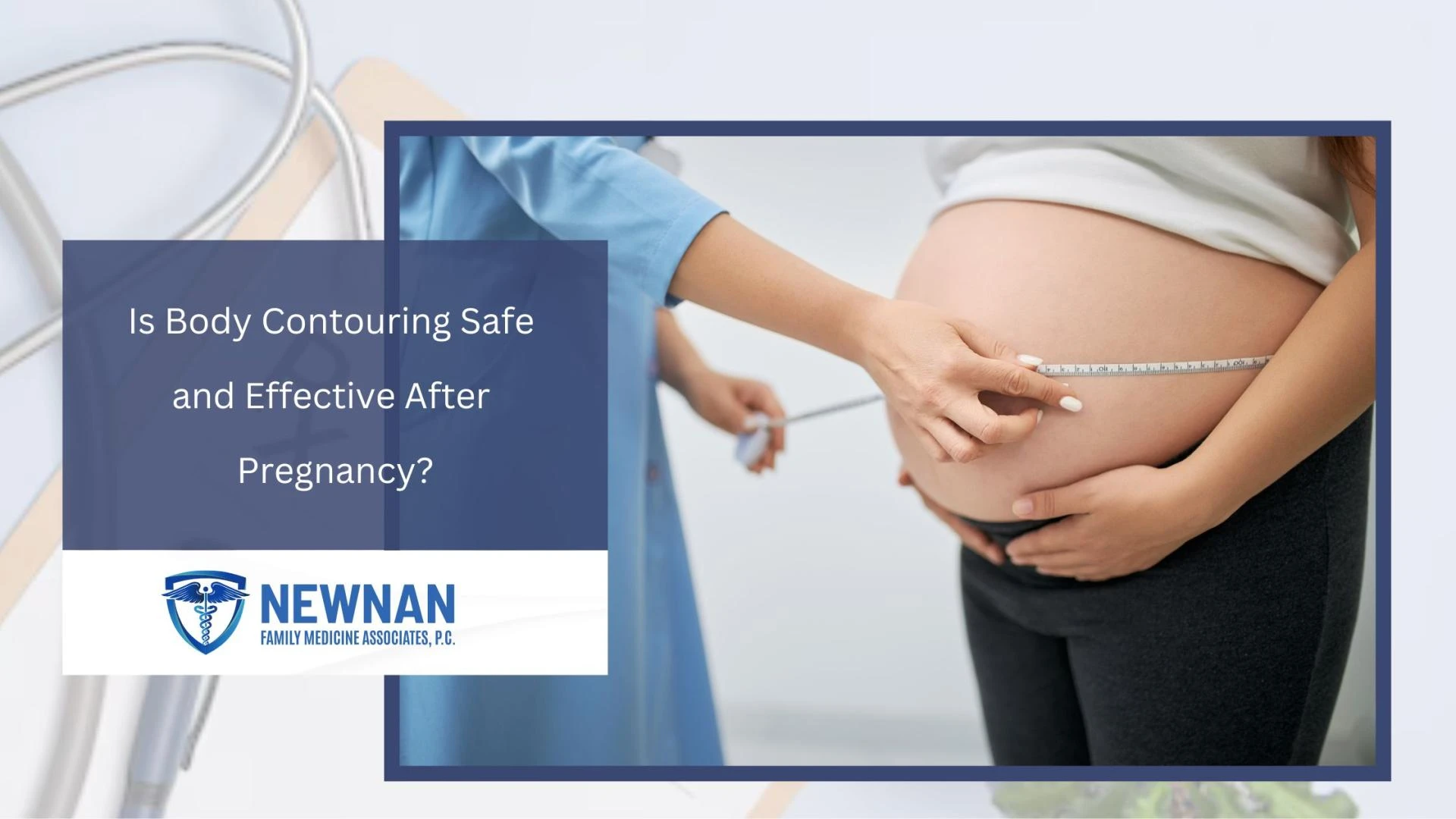

Post-pregnancy body changes are a common concern among new mothers, with many experiencing physical effects that are difficult to reverse through diet and exercise alone. According to the American Society of Plastic Surgeons, body contouring procedures have seen a steady increase in popularity over the past decade - particularly among women aged 30 to 39, a demographic that aligns closely with many postpartum patients.
This article explores the feasibility and timing of body contouring after pregnancy, supported by data and clinical insights.
The Postpartum Body: What Changes and Why?
Pregnancy and childbirth result in substantial physiological changes. These include:
- Abdominal fat retention: A 2016 study noted that women typically retain 1–3 kg of fat postpartum, even with healthy habits.
- Skin laxity: As skin stretches to accommodate the growing fetus, elasticity can be reduced, especially in women over 30.
- Diastasis recti: Estimated to affect up to 60% of women postpartum, this condition involves the separation of abdominal muscles, contributing to a protruding belly.
- Hormonal shifts: These can impact fat storage patterns, leading to more fat around the midsection and thighs.
While some women regain their pre-pregnancy body within months, many do not. A CDC study found that only 20% of postpartum women returned to their pre-pregnancy weight within 6 months.
What Is Body Contouring?
Body contouring refers to a range of procedures aimed at reshaping and improving the body’s appearance. Non-surgical options have become increasingly popular due to their minimal downtime and fewer risks compared to surgical procedures like liposuction or tummy tucks.
Common non-invasive body contouring technologies include:
- Cryolipolysis (fat freezing): Shown to reduce subcutaneous fat by 20–25% in treated areas after one session.
- Radiofrequency (RF) treatments: Promote collagen production and skin tightening, often used for mild to moderate skin laxity.
- High-intensity focused electromagnetic (HIFEM) stimulation: Stimulates muscle contractions and has been associated with reduced waist circumference and increased abdominal tone.
When Is It Safe to Start?
Most experts agree that postpartum women should wait at least 6 to 12 months after giving birth before undergoing body contouring treatments. This allows time for:
- Hormonal normalization
- Stabilization of weight (ideally within 10% of target weight)
- Completion of breastfeeding, if applicable
- Natural healing of abdominal tissues and muscles
According to the American College of Obstetricians and Gynecologists, postpartum recovery can vary widely, but full physical recovery often takes several months, particularly for women who have had a cesarean delivery or complications.
Is Body Contouring Effective Post-Pregnancy?
When performed on appropriately screened candidates, body contouring can provide measurable improvements. For instance:
- Studies show a 23–28% reduction in fat layer thickness after cryolipolysis over a 3-month period.
- Up to 75% of women report improved satisfaction with their body after non-surgical contouring treatments.
- Treatments such as HIFEM have shown 16% increase in muscle mass and 11% reduction in abdominal separation, which may help address mild diastasis recti.
However, these outcomes depend on the individual’s health, adherence to post-treatment care, and lifestyle habits.
Key Considerations
Before proceeding with body contouring, patients should consider the following:
- Weight Stability: Results are more predictable and lasting when weight is stable. Weight fluctuations post-treatment can reduce effectiveness.
- Treatment Area and Technology: Different treatments are better suited to different issues - fat, skin laxity, or muscle tone. A professional assessment is essential.
- Realistic Expectations: Body contouring offers improvement, not perfection. Setting realistic goals leads to higher satisfaction.
- Future Pregnancies: A future pregnancy may compromise the results. For long-term impact, body contouring is best pursued after childbearing is complete.
Non-Invasive Alternatives to Consider First
For some, conservative options may provide noticeable benefits before moving toward contouring treatments:
- Pelvic floor therapy and core rehabilitation to restore muscle tone
- Postpartum fitness programs tailored to diastasis recti and core strength
- Topical treatments and massage therapy to improve skin tone and circulation
A multi-disciplinary approach combining physical therapy, nutrition, and aesthetic support often yields the best outcomes.
Final Thoughts
Body contouring is a safe and effective option for many women after pregnancy, especially when approached with realistic expectations and under proper medical guidance. While non-invasive technologies continue to advance, individual suitability depends on multiple factors, including timing, current health status, and body composition.
A consultation with a licensed aesthetic provider or medical professional is the best way to assess readiness and determine the most appropriate treatment plan.
Disclaimer: Please note that this information is for educational purposes only. There is no patient-doctor relationship established. Please consult your healthcare provider for individualized recommendations.








Sign in to leave a comment.