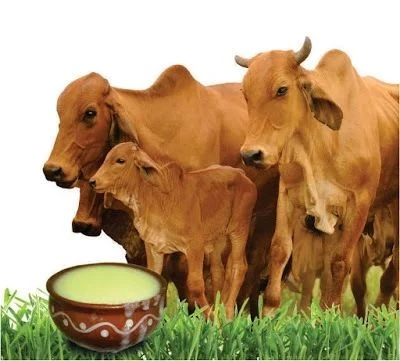

In recent years, cow ghee—especially desi cow ghee—has been both praised and questioned in discussions about heart health. At Krishnayan, this topic is addressed carefully: Is Cow Ghee Good for Cholesterol at Krishnayan? combines Ayurvedic wisdom with modern research to guide people with high cholesterol toward healthy choices.
What Krishnayan Says
According to the Krishnayan blog post “Is Cow Ghee good for Cholesterol?”, desi cow ghee is not necessarily harmful. In fact, Krishnayan cites Ayurvedic belief and some scientific findings that consuming moderate amounts of cow ghee may:
- Increase good cholesterol (HDL) and help reduce bad cholesterol (LDL).
- Provide Conjugated Linoleic Acid (CLA), which has been associated with health benefits, including cholesterol regulation.
- Supply Vitamin K2, that aids in the removal of calcium deposits in blood vessels, thus helping maintain healthy circulation.
- Be used in Ayurvedic medicines and daily dietary practices. However, Krishnayan emphasizes moderation: typically 10-30 grams per day for high-cholesterol patients, depending on individual conditions.
Krishnayan suggests that when cow ghee is consumed properly (pure, desi-cow source, no adulteration, moderate quantity), it can be part of a diet that supports healthy cholesterol levels.
What the Scientific Research Shows
Modern studies, including those cited by Krishnayan and independent research, provide mixed but interesting results:
- A study by Hari Sharma et al. in AYU looked at animals fed diets with ghee and found that moderate intake did not significantly increase total cholesterol in some rat strains, though in others, some increases in triglycerides were observed.
- Other research suggests that ghee, especially when it contains CLA and beneficial fatty acids, may help reduce LDL oxidization and improve other lipid markers.
- However, heavy consumption, or consumption of impure or overheated (oxidized) ghee, or ghee adulterated with vanaspati or trans fatty acids, may negate the benefits or potentially worsen cholesterol profile.
Practical Guidelines from Krishnayan & Ayurveda
Drawing from Krishnayan’s view and traditional Ayurvedic principles, here are recommendations for using cow ghee wisely:
- Moderation is key: For someone with high cholesterol, around 10-30 grams per day is suggested, but individual needs vary.
- Use pure, desi-cow ghee: Ensure the ghee is authentic, free from adulteration, and prepared carefully without overheating. Purity matters.
- Combine with supportive lifestyle: Diet, exercise, managing sugars and fats, reducing processed/trans fats, etc. Ghee won’t be magic by itself.
- Watch for individual responses: Monitor lipid markers (LDL, HDL, triglycerides) with your doctor. If LDL goes up significantly, reduce or adjust accordingly.
Conclusion
So, Is Cow Ghee Good for Cholesterol at Krishnayan? The answer isn’t a simple “yes” or “no.” According to Krishnayan’s Ayurvedic perspective plus peer-reviewed research:
- Cow ghee in moderation, especially desi cow ghee, can support healthy cholesterol levels by increasing HDL, supplying beneficial compounds like CLA and Vitamin K2, and promoting good digestion.
- On the other hand, overuse, low quality, or adulterated ghee can pose risks, especially for those who already have cardiovascular conditions.
If you are considering adding cow ghee to your diet and have concerns about cholesterol, Krishnayan’s guidance suggests it may be good—as long as you do so mindfully, with quality ghee, and under medical/lifestyle supervision.












Sign in to leave a comment.