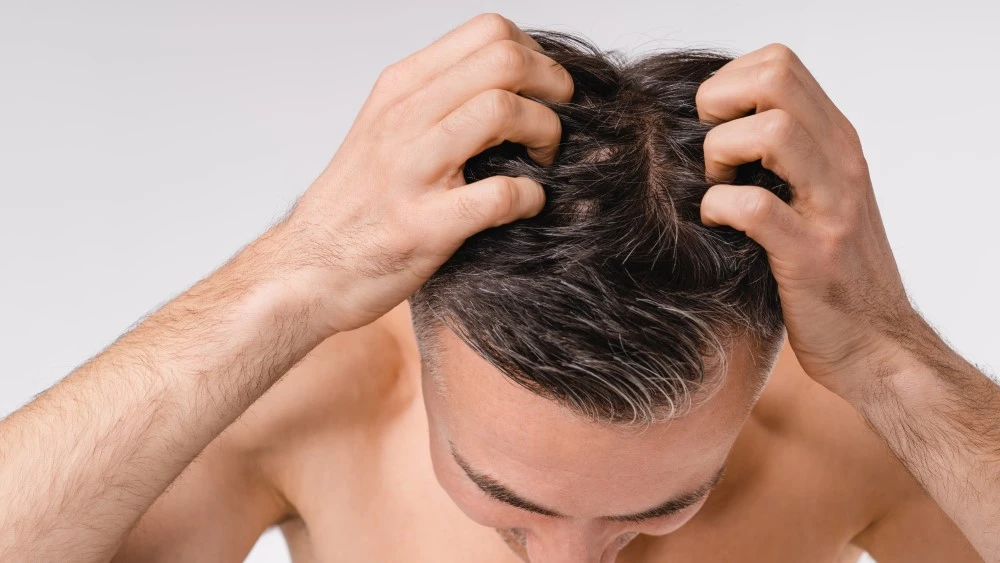

Hair loss can be a distressing experience, especially when it affects the edges of the hairline. Thinning edges, a condition that can impact both men and women, are often caused by factors such as genetics, traction alopecia, hormonal imbalances, and medical conditions. Many people seek effective treatments to restore their hairline, and one of the most commonly discussed medications is Finasteride Dubai. But is finasteride an effective solution for thinning edges? Let's explore.
What is Finasteride?
Finasteride is an FDA-approved oral medication primarily used to treat male pattern baldness (androgenetic alopecia). It works by inhibiting the enzyme 5-alpha-reductase, which converts testosterone into dihydrotestosterone (DHT). DHT is a hormone that contributes to hair follicle shrinkage, leading to hair thinning and eventual hair loss.
Initially developed to treat benign prostatic hyperplasia (BPH), finasteride has shown promising results in reducing hair loss and promoting regrowth in men. However, its effectiveness on thinning edges is a subject of discussion, particularly for individuals experiencing different types of hair loss.
The Effectiveness of Finasteride for Thinning Edges:
Finasteride and Androgenetic Alopecia:
Finasteride is highly effective in cases of androgenetic alopecia, where hair loss occurs due to genetic predisposition and DHT sensitivity. Since male pattern baldness typically affects the crown and hairline, finasteride can help slow the progression and, in some cases, regrow lost hair. However, thinning edges may not always be caused by androgenetic alopecia. If traction alopecia or other external factors are at play, finasteride may not be the best treatment option.
Finasteride and Traction Alopecia:
Traction alopecia occurs due to excessive pulling or tension on the hair, often from tight hairstyles, braids, or extensions. Unlike androgenetic alopecia, traction alopecia is not primarily influenced by DHT, meaning that finasteride may not be effective in reversing the damage. Instead, discontinuing damaging hairstyles and incorporating hair growth treatments like minoxidil or PRP therapy may yield better results.
Finasteride for Women with Thinning Edges:
While finasteride is commonly prescribed for men, it has been used off-label for women with female pattern hair loss (FPHL). However, it is generally not recommended for women of childbearing age due to potential birth defects. Studies suggest that postmenopausal women may experience some benefits, but for thinning edges specifically, other treatments like topical minoxidil or hair growth serums might be more effective.
How Long Does It Take for Finasteride to Work?
For those experiencing androgenetic alopecia, finasteride usually takes at least three to six months to show noticeable results. Full effects may take up to a year, and continuous use is required to maintain hair growth. If finasteride is stopped, hair loss will likely resume within several months.
Potential Side Effects of Finasteride:
Before considering finasteride for hair loss, it's essential to understand the possible side effects. Some common side effects include:
- Decreased libido
- Erectile dysfunction
- Breast tenderness or enlargement
- Mood changes or depression
Though rare, some individuals may experience long-term side effects even after stopping the medication, a condition known as post-finasteride syndrome (PFS).
Alternative Treatments for Thinning Edges:
If finasteride is not the ideal solution for thinning edges, several other treatments can help promote hair regrowth:
Minoxidil (Rogaine):
Minoxidil is a topical treatment that stimulates hair follicles and improves blood circulation to the scalp. Unlike Finasteride UAE, which targets DHT, minoxidil works by prolonging the growth phase of hair, making it a more suitable option for various hair loss conditions, including thinning edges.
Platelet-Rich Plasma (PRP) Therapy:
PRP therapy involves injecting a concentration of platelets from the patient's blood into the scalp to stimulate hair growth. This treatment has shown positive results in promoting regrowth in areas affected by traction alopecia and androgenetic alopecia.
Hair Growth Serums and Oils:
Using natural hair growth serums, essential oils like rosemary or peppermint, and scalp massages can help improve hair density and health, particularly for individuals with thinning edges due to non-genetic factors.
Laser Therapy:
Low-level laser therapy (LLLT) is another non-invasive option that helps stimulate hair follicles and enhance hair regrowth. It is often used in conjunction with other treatments like finasteride or minoxidil for better results.
Nutritional Support:
A well-balanced diet rich in vitamins and minerals such as biotin, iron, and vitamin D can improve hair health. Supplements specifically formulated for hair growth may also support stronger and healthier hair.
Conclusion:
Finasteride is an effective treatment for androgenetic alopecia but may not be the best solution for thinning edges caused by other factors like traction alopecia or external hair damage. If your hair loss is due to DHT sensitivity, finasteride could help slow the progression and promote regrowth. However, for those experiencing thinning edges from hairstyling habits or non-hormonal causes, alternative treatments such as minoxidil, PRP therapy, and lifestyle changes may be more beneficial.
Consulting a dermatologist or hair specialist is the best way to determine the most suitable treatment based on the underlying cause of your thinning edges. By taking a targeted approach, you can maximize your chances of achieving thicker, healthier hair.












Sign in to leave a comment.