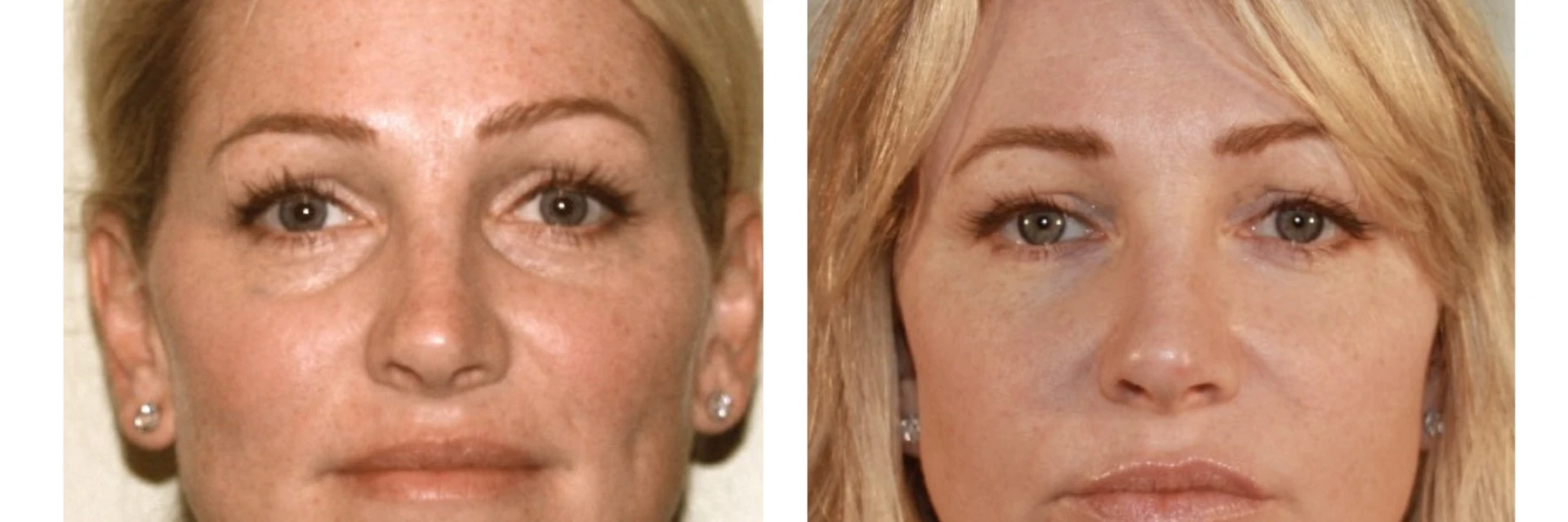

Platelet-Rich Fibrin (PRF) treatment has gained significant attention in both the medical and cosmetic fields as a natural solution for healing, regeneration, and skin rejuvenation. Unlike synthetic fillers or invasive procedures, PRF uses your body’s own blood to promote repair and stimulate collagen production. But a common question remains: Is PRF treatment safe? Let’s explore its safety profile, possible risks, recovery process, and the kind of results you can expect.
What is PRF Treatment?
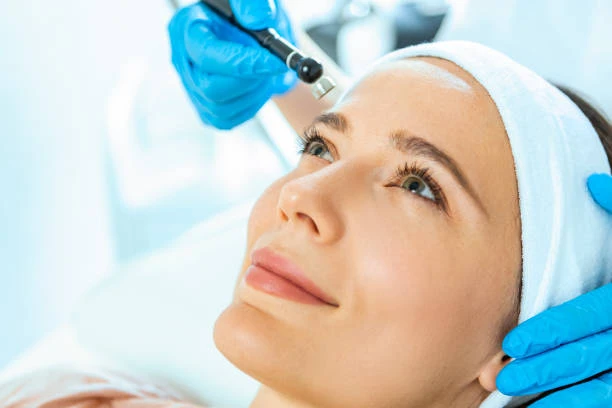
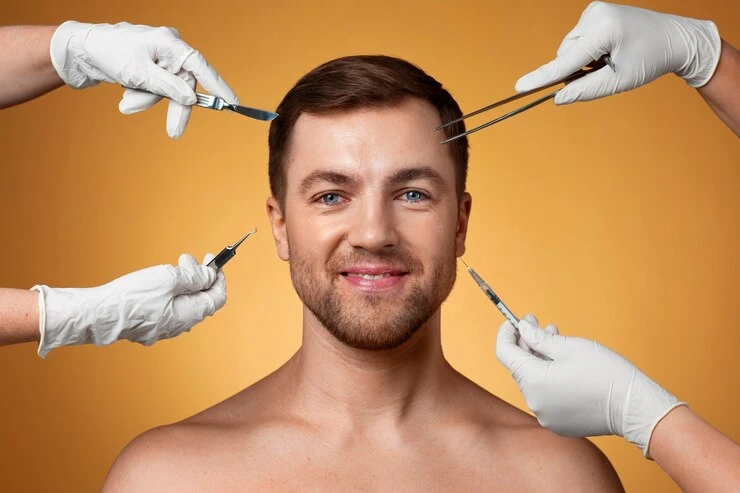
PRF is derived from a small sample of your own blood. After spinning the blood in a centrifuge at a controlled speed, doctors separate the platelet-rich fibrin layer, which is rich in growth factors, stem cells, and fibrin matrix. This concentrate is then re-injected into targeted areas such as the face, scalp, or gums to enhance healing and rejuvenation.
PRF is often used in:
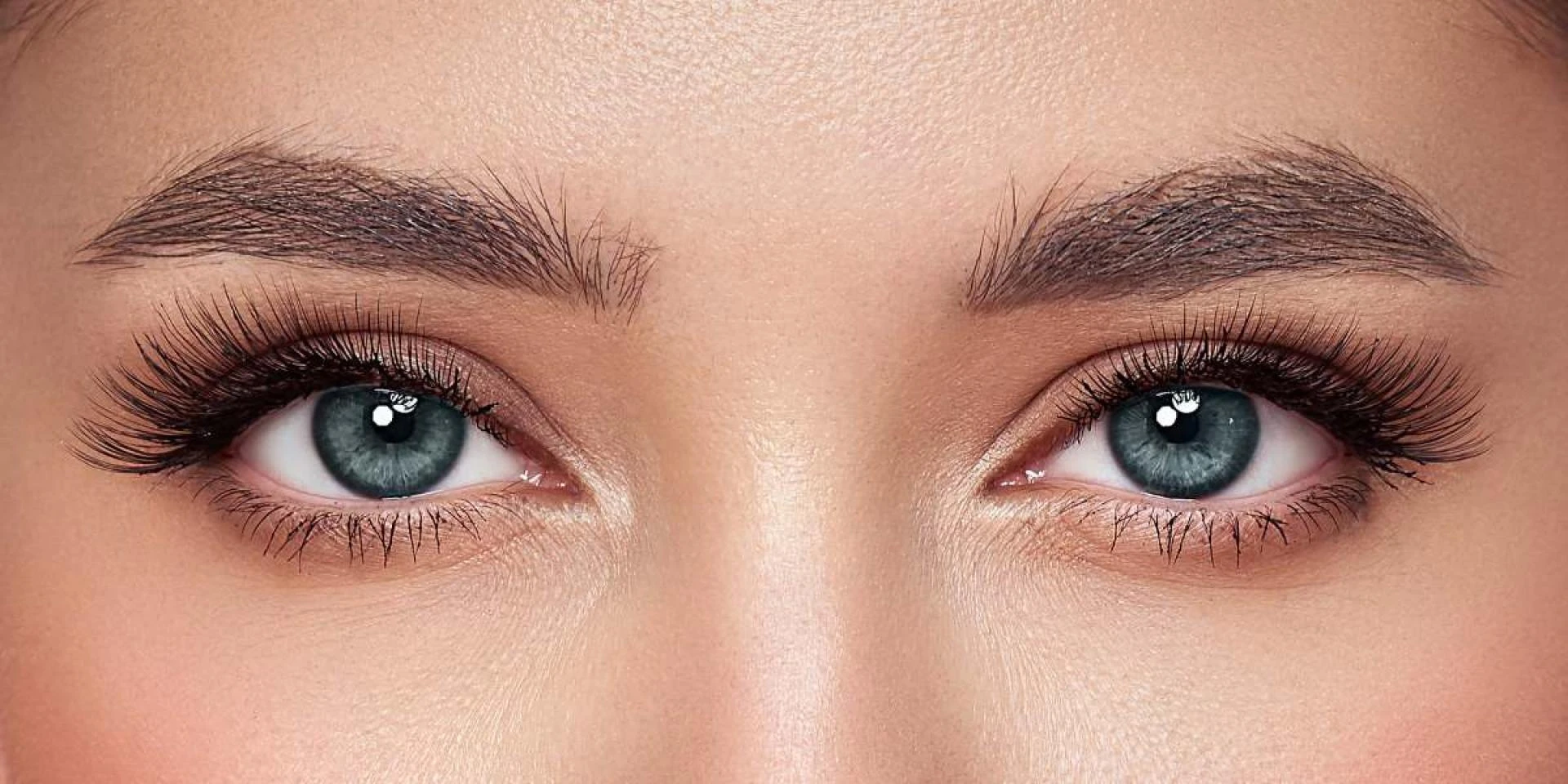
- Facial aesthetics: Reducing fine lines, improving skin texture, and enhancing under-eye hollows.
- Dental care: Supporting bone and gum healing after surgery or implants.
- Hair restoration: Stimulating hair follicles to improve growth.
Is PRF Treatment Safe?
Since PRF comes directly from your own blood, it is considered biocompatible and natural, minimising the risk of allergic reactions or rejection. This makes it safer compared to synthetic fillers or medications.
That said, the safety also depends on the expertise of the practitioner and proper sterilisation techniques during preparation and injection. When performed by a qualified professional, PRF is generally a very low-risk treatment.
Potential Risks of PRF Treatment
While rare, some mild side effects can occur after PRF injections:
- Swelling or redness at the injection site
- Mild bruising that resolves within a few days
- Temporary soreness or tenderness
- Risk of infection if the procedure is not done under sterile conditions
Severe complications are uncommon since no foreign substances are involved. Patients with certain health conditions, such as blood clotting disorders, should consult their doctor before undergoing PRF.
Recovery After PRF Treatment
One of the biggest advantages of PRF is the minimal downtime. Most patients resume daily activities immediately after treatment.
Typical recovery includes:
- Mild swelling or redness for 24–48 hours
- Small bruises that fade within a week
- Noticeable improvement in skin texture or healing within a few weeks
For best results, multiple sessions may be recommended, especially for aesthetic purposes like skin rejuvenation or hair growth.
Results You Can Expect
PRF works gradually, as it stimulates your body’s natural healing processes. Results are not instant like dermal fillers, but they are long-lasting and natural-looking. Patients typically notice:
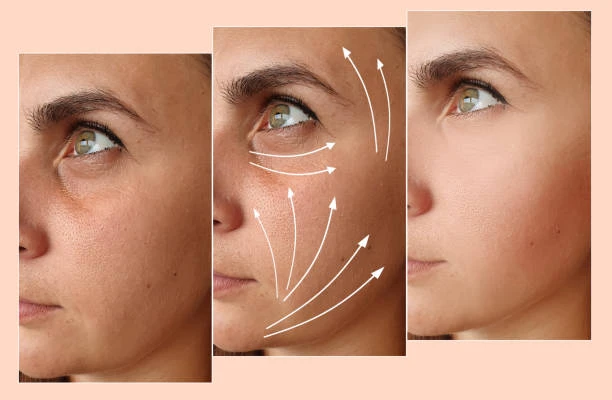
- Improved skin tone and elasticity
- Reduction in fine lines and dark circles
- Faster healing in dental and surgical procedures
- Thicker, healthier hair growth in scalp treatments
Since PRF uses your own growth factors, results vary based on your overall health, age, and treatment area.
Final Thoughts
PRF treatment is widely regarded as safe, natural, and effective, especially for patients looking for regenerative therapies without relying on synthetic substances. While minor side effects like swelling and bruising can occur, serious risks are minimal when the procedure is performed by a trained professional.
If you’re considering PRF, consult with a qualified specialist who can assess your health, discuss your goals, and customise the treatment plan. For many patients, PRF offers a powerful way to enhance healing and achieve natural rejuvenation with very little downtime.






Sign in to leave a comment.