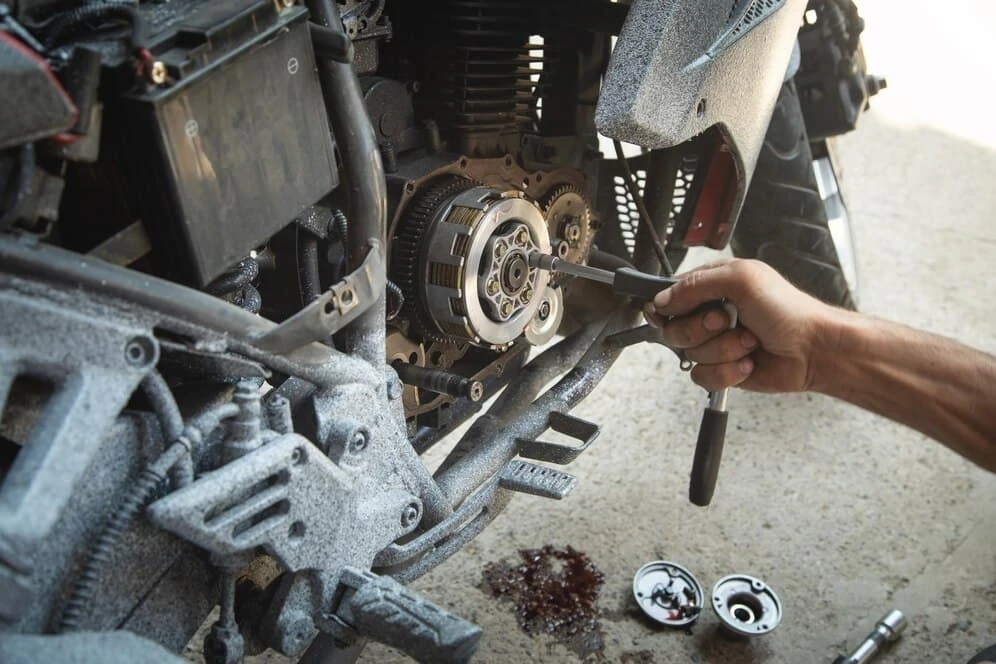

The clutch is a crucial component of manual transmission vehicles, allowing drivers to smoothly shift gears and control the power from the engine to the wheels. However, like any mechanical part, clutches can wear out over time, leading to a condition known as "clutch slipping." Understanding the signs of a slipping clutch and knowing when to schedule a clutch repair service can save drivers from potential safety hazards and costly repairs down the line.
Understanding Clutch Functionality
To grasp the implications of a slipping clutch, it's essential to understand how the clutch operates. The clutch consists of several components, including the clutch pedal, clutch disc, pressure plate, and flywheel. When the clutch pedal is pressed, it disengages the engine from the transmission, allowing the driver to shift gears without grinding them. When the pedal is released, the clutch engages, re-establishing the connection between the engine and the wheels.
A properly functioning clutch allows for seamless gear transitions. If the clutch begins to slip, it can cause difficulties in shifting gears and can lead to further damage to the vehicle.
Signs of a Slipping Clutch
It is vital for drivers to be aware of the warning signs that indicate a slipping clutch. Recognizing these signs early can help in scheduling a clutch repair service before more serious issues develop.
1. Difficulty Shifting Gears
One of the first signs of a slipping clutch is difficulty in shifting gears. If the clutch does not fully engage or disengage, drivers may experience resistance when trying to move from one gear to another. This can result in grinding noises or a feeling of the gear sticking.
2. Engine Revs Without Acceleration
If the engine revs higher than usual without a corresponding increase in speed, this can indicate that the clutch is not effectively transferring power to the wheels. Drivers may notice that they must push the gas pedal harder to maintain speed, which can be particularly evident when accelerating from a stop.
3. Burning Smell
A burning odor can be a significant warning sign of a slipping clutch. This smell often resembles burnt rubber and is caused by excessive friction between the clutch components. If drivers detect this odor, it is crucial to stop driving and schedule a clutch repair service as soon as possible.
4. Unusual Noises
Drivers may also hear unusual noises when engaging the clutch, such as a grinding or rattling sound. This can indicate worn-out clutch components or a misalignment, suggesting that immediate attention is needed.
5. Vibration or Shuddering
A slipping clutch may cause the vehicle to vibrate or shudder when the driver attempts to accelerate. This is often a result of a worn clutch disc or pressure plate, indicating that the vehicle requires professional evaluation.
Causes of Clutch Slipping
Understanding the causes of a slipping clutch can help drivers take preventive measures and maintain their vehicle's performance. Some common causes include:
1. Worn Clutch Components
As with any mechanical system, the components of the clutch can wear out over time. The clutch disc, pressure plate, and release bearing can all degrade, leading to a slipping clutch. Regular maintenance and inspections can help identify wear before it leads to failure.
2. Improper Adjustment
In some cases, the clutch may simply be out of adjustment. An improperly adjusted clutch pedal can prevent the clutch from fully engaging or disengaging, resulting in slippage. This issue can often be resolved with an adjustment from a qualified technician.
3. Overheating
Excessive heat can cause the clutch components to wear prematurely. Overheating can result from riding the clutch, which occurs when a driver keeps their foot on the clutch pedal while driving, or from excessive stop-and-go traffic.
4. Fluid Leaks
Some vehicles utilize hydraulic systems for clutch operation. A leak in the hydraulic system can lead to inadequate pressure, causing the clutch to slip. Checking fluid levels and inspecting for leaks are important routine maintenance tasks.
When to Schedule a Clutch Repair Service
If any of the signs of a slipping clutch are present, it is crucial for drivers to take action promptly. Ignoring these symptoms can lead to more significant issues, including complete clutch failure. Here are some guidelines on when to schedule a clutch repair service:
1. At the First Sign of Trouble
The sooner a driver addresses clutch issues, the better. If any of the aforementioned symptoms are noticed, it is advisable to schedule a professional inspection. Early intervention can prevent further damage and reduce repair costs.
2. During Routine Maintenance
Incorporating clutch checks into regular vehicle maintenance can help catch potential issues before they escalate. Technicians can examine and assess the clutch's condition during routine oil changes or other maintenance services.
3. Before Long Trips
If a driver plans to embark on a long journey, it's wise to have the clutch inspected beforehand. This ensures peace of mind and reduces the likelihood of unexpected breakdowns.
4. Following Extreme Conditions
If the vehicle has been subjected to extreme driving conditions, such as heavy towing or frequent stop-and-go traffic, it may be prudent to have the clutch assessed. These conditions can accelerate wear and tear, necessitating a professional evaluation.
Consequences of Ignoring a Slipping Clutch
Failing to address a slipping clutch can lead to a host of problems, including:
1. Complete Clutch Failure
If left unaddressed, a slipping clutch can fail entirely, rendering the vehicle inoperable. This can lead to costly towing and repair expenses.
2. Damage to Other Components
A slipping clutch can cause additional strain on the transmission and other related components. This can lead to further repairs that may have been avoidable with timely maintenance.
3. Safety Hazards
Driving with a slipping clutch can create safety hazards, particularly if the driver is unable to shift gears correctly. This can lead to dangerous situations on the road.
Conclusion
Recognizing the signs of a slipping clutch and knowing when to schedule a clutch repair service is essential for maintaining vehicle performance and safety. By staying vigilant and proactive, drivers can avoid costly repairs and ensure the longevity of their vehicle's clutch system.
For those experiencing clutch issues or needing a professional inspection, CARma Auto Care is here to help. Don’t wait until it’s too late schedule your clutch repair service today and get back on the road with confidence!













Sign in to leave a comment.