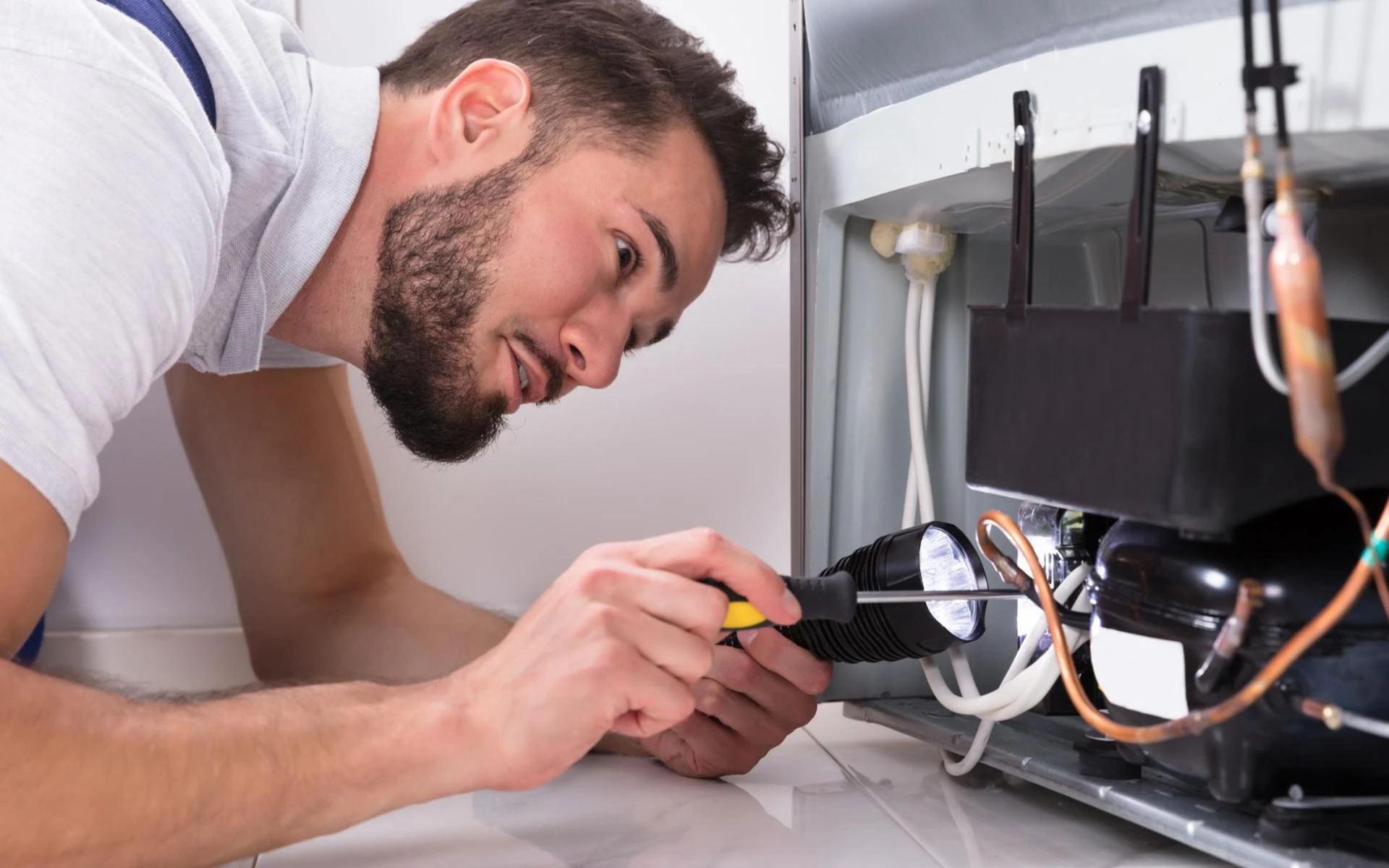

When your commercial fridge starts showing signs of malfunction, it’s easy to dismiss the issue or hope it resolves itself. However, this could be a costly mistake. Commercial refrigeration systems are vital to maintaining food quality, safety, and compliance with regulations. If your fridge is on the brink of failure, immediate action is crucial to prevent a full breakdown that could lead to significant financial loss and operational disruptions. This guide outlines essential steps to take when your commercial fridge is showing signs of trouble, as well as tips on how to avoid costly repairs down the line.
Understanding Common Signs of a Failing Commercial Fridge
Knowing when your commercial fridge is on the brink of failure can save you from more serious problems in the future. Here are some common signs to look out for:
1. The Fridge Is Not Cooling Properly
One of the first signs of a malfunctioning commercial fridge is inadequate cooling. If the internal temperature rises above the recommended level, food can spoil quickly, which jeopardizes your business. Check the thermostat settings to ensure it is correctly calibrated. If the temperature is still high despite adjustments, your fridge may be experiencing issues with the compressor or refrigerant system, which will require expert commercial fridge repair.
2. Strange Noises or Vibrations
Unusual sounds such as loud buzzing, rattling, or grinding can indicate a problem with your fridge’s motor or fan. Vibrations or excessive noise are also warning signs that your fridge’s internal components, like the compressor, condenser coils, or evaporator fans, are struggling. These issues require prompt attention from a skilled technician to prevent further damage.
3. Ice Build-Up in the Freezer
Excessive frost or ice build-up in the freezer section of your fridge could indicate problems with the defrost system, door seal, or refrigerant levels. Over time, ice build-up can restrict airflow and reduce cooling efficiency, causing your fridge to work harder and consume more energy. If not addressed promptly, this could lead to more extensive damage and higher repair costs.
4. The Fridge Is Leaking Water
Water pooling around your commercial fridge may be caused by a clogged defrost drain, damaged door seals, or a malfunctioning evaporator. Regardless of the cause, water leakage can damage the interior of your fridge and the surrounding floor, creating a health hazard. This issue needs immediate attention to prevent further complications.
What to Do When Your Commercial Fridge Is on the Brink
If your commercial fridge is showing signs of failure, don’t wait until it completely breaks down. Here’s what to do:
1. Assess the Situation
First, perform a thorough check of the fridge to identify the issue. Is it cooling properly? Are there any visible signs of damage or malfunction? Check the temperature settings, look for ice build-up, inspect the door seals, and listen for unusual sounds. Understanding the problem is crucial in determining whether you need minor repairs or if a major overhaul is required.
2. Protect Your Inventory
If your fridge is no longer cooling effectively, remove any perishable items immediately. Food safety is critical, and spoiling food can result in expensive losses and damage your reputation. If necessary, move your inventory to another cooler or freezer until repairs can be made. This step can save your stock and protect your bottom line.
3. Call in a Professional for Commercial Fridge Repair
If the issue appears to be more than something you can fix on your own, it’s time to call a professional. Commercial fridge repair requires specialized knowledge and tools, particularly for complex issues like refrigerant leaks, compressor failure, or electrical faults. A qualified technician will accurately diagnose the problem and carry out necessary repairs quickly and efficiently.
4. Schedule Preventative Maintenance
Regular maintenance is essential to extending the life of your commercial fridge and avoiding costly emergency repairs. During a routine maintenance check, technicians will inspect vital components, clean the coils, test the cooling system, and ensure the thermostat is functioning correctly. Preventative care can help catch minor issues before they become major problems, saving you money in the long run.
Why Timely Repairs Are Crucial for Your Business
A well-functioning commercial fridge is the backbone of many businesses, from restaurants and bars to grocery stores and catering services. Timely repairs are crucial for several reasons:
1. Protect Your Inventory
Your stock is at risk when your fridge fails to maintain the correct temperature. Timely repairs ensure that your inventory remains safe and fresh, preventing waste and spoilage. For businesses that depend on perishable goods, this is especially important.
2. Prevent Business Disruptions
A malfunctioning fridge can cause disruptions to daily operations, especially if you rely on refrigeration to store large quantities of goods. By addressing issues early on, you prevent downtime and minimize the impact on your business. Whether you’re dealing with a refrigeration breakdown or needing a commercial fridge repair due to minor issues, acting quickly keeps your business running smoothly.
3. Save on Energy Costs
A fridge that isn’t functioning properly may work harder to maintain the correct temperature, leading to higher energy bills. Timely repairs can improve the energy efficiency of your system and reduce operating costs. Regular maintenance helps keep the fridge running optimally, minimizing wasted energy.
4. Maintain Health and Safety Standards
Maintaining the correct temperature in your commercial fridge is essential for food safety compliance. A fridge that can’t maintain a stable temperature puts both your business and customers at risk. Timely repairs ensure that you meet regulatory standards and avoid fines, penalties, or damage to your reputation.
How to Extend the Life of Your Commercial Fridge
Taking proper care of your commercial fridge can prevent many issues and ensure it lasts longer. Here are some tips to keep your fridge in good working order:
1. Keep Coils Clean
Dirty condenser coils can cause your fridge to overheat, leading to premature failure. Clean the coils regularly, especially if your fridge is located in a dusty or greasy environment. It’s a simple but effective way to extend the life of your fridge and maintain optimal cooling performance.
2. Check Door Seals Regularly
The door seals prevent cold air from escaping, so it’s essential to check them regularly for cracks or signs of wear. Damaged seals force your fridge to work harder, wasting energy and putting unnecessary strain on the cooling system.
3. Monitor Temperature Settings
Regularly check and adjust the thermostat to ensure the fridge is operating at the right temperature. Keeping the temperature within the optimal range will help maintain food quality and prevent excess wear on the compressor and cooling system.
4. Perform Routine Inspections
Schedule regular maintenance checks with a qualified technician to inspect your fridge’s cooling system, electrical components, and overall condition. Early detection of problems allows for timely intervention before they escalate into more serious issues.
Conclusion
When your commercial fridge starts showing signs of failure, taking quick action is essential to avoid costly downtime and inventory loss. By recognizing the warning signs, performing immediate checks, and calling in a professional for commercial fridge repair, you can prevent more significant issues from arising. Regular maintenance and timely repairs can also extend the lifespan of your fridge, ensuring that your business remains operational and compliant with food safety standards.













Sign in to leave a comment.