
Islamic education has been a cornerstone of learning and spiritual development for centuries. It aims to cultivate knowledge, moral character, and a deep connection to faith, preparing individuals to lead purposeful lives while contributing positively to society.
In this blog, we will explore the essence of Islamic education, its key features, benefits, and relevance in today’s world.
What Is Islamic Education?
Islamic education is a comprehensive system of learning that integrates spiritual and moral teachings from Islam with academic and practical knowledge. Rooted in the Quran and Sunnah (the practices of the Prophet Muhammad, peace be upon him), it seeks to develop well-rounded individuals who embody the principles of justice, compassion, and humility.
Key Components of Islamic Education
1. Quranic Studies
- Learning to recite and memorize the Quran.
- Understanding its meanings and applying its teachings in daily life.
2. Hadith and Sunnah
- Studying the sayings and practices of Prophet Muhammad (peace be upon him) as a guide for ethical and social conduct.
3. Fiqh (Islamic Jurisprudence)
- Gaining knowledge of Islamic laws and principles to navigate personal and communal matters.
4. Arabic Language
- Mastering Arabic to engage with primary Islamic texts and enhance communication skills.
5. Character Building (Tarbiyah)
- Instilling values like honesty, respect, and responsibility through moral and ethical education.
6. Integration with Secular Education
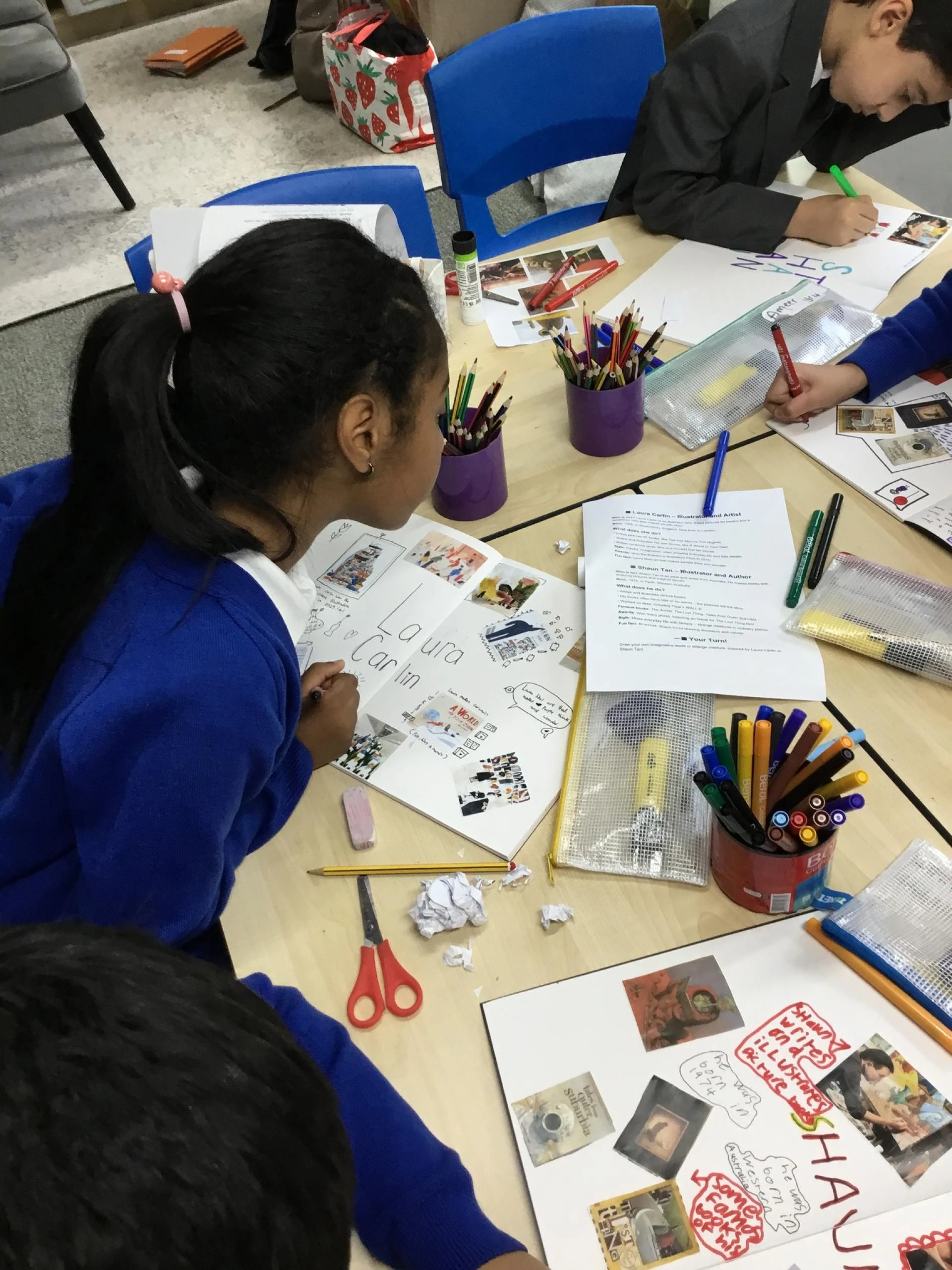
- Combining Islamic teachings with subjects like mathematics, science, and history to foster a holistic learning experience.
Benefits of Islamic Education
1. Spiritual and Moral Development
Islamic education nurtures a strong sense of faith, self-discipline, and ethical responsibility.
2. Academic Excellence
By emphasizing diligence and the pursuit of knowledge, Islamic education encourages students to excel in all areas of life.
3. Preservation of Identity
It helps students maintain their cultural and religious identity while engaging with the modern world.
4. Community Building
Islamic education fosters a sense of belonging and encourages active participation in community and societal welfare.
5. Lifelong Learning
The emphasis on seeking knowledge as a form of worship instills a love for lifelong education.
The Relevance of Islamic Education Today
In a fast-paced and ever-changing world, Islamic education remains relevant by providing students with a framework for ethical decision-making and resilience. Its focus on universal values like kindness, justice, and integrity ensures that individuals can contribute meaningfully to a diverse and interconnected global society.
Modern Challenges and Opportunities
Challenges
- Balancing Tradition and Modernity: Ensuring Islamic teachings remain applicable in contemporary contexts.
- Resource Constraints: Limited funding for Islamic schools and institutions can impact their infrastructure and programs.
- Misconceptions: Addressing stereotypes and promoting understanding of the holistic nature of Islamic education.
Opportunities
- Technology Integration: Leveraging digital tools to enhance learning experiences.
- Interfaith Dialogue: Encouraging collaboration and mutual respect among diverse communities.
- Global Collaboration: Building networks with Islamic education institutions worldwide to share resources and best practices.
Notable Islamic Education Institutions
- Al-Azhar University, EgyptA historic center of Islamic learning, offering a wide range of disciplines.
- International Islamic University, MalaysiaKnown for integrating Islamic principles with modern education.
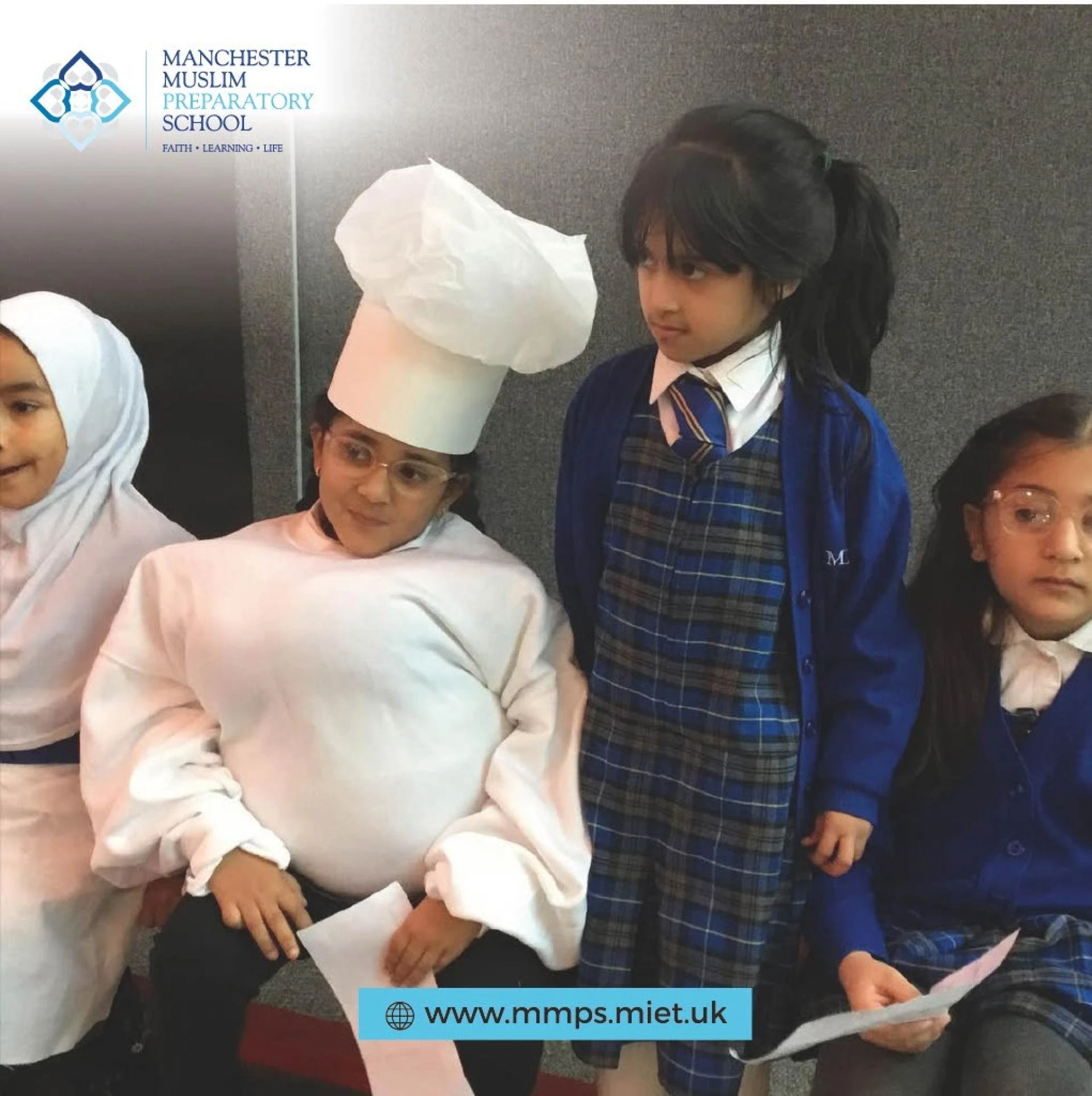
- Islamic Schools in the UK and USProvide holistic education, blending Islamic studies with national curricula.
The Future of Islamic Education
As the world evolves, Islamic education must adapt to meet the needs of diverse communities while preserving its core values. By embracing innovation and inclusivity, Islamic education can continue to inspire generations of learners and leaders.
Conclusion
Islamic education is more than an academic pursuit; it is a journey of spiritual and personal growth. By harmonizing faith and knowledge, it empowers individuals to navigate life with wisdom and integrity.
In a world seeking balance and understanding, Islamic education stands as a timeless guide, nurturing minds and hearts to build a better future. Whether in traditional madrasas or modern schools, its enduring legacy is a testament to its transformative power.











Sign in to leave a comment.