
Education is one of the most powerful tools for shaping character, building knowledge, and preparing young people for meaningful lives. For many Muslim families in the UK, choosing a school that combines academic excellence with strong Islamic values is a top priority. An Islamic educational trust for boys plays a vital role in fulfilling this need by offering structured, faith-based education alongside the national curriculum.
In cities like Manchester and across the wider United Kingdom, Islamic educational trusts have become pillars of the community, supporting boys in developing spiritually, academically, and socially.

What Is an Islamic Educational Trust for Boys?
An Islamic educational trust for boys is typically a charitable organization established to manage and support Islamic schools. These trusts oversee the governance, curriculum standards, Islamic studies programs, and overall development of institutions dedicated to boys’ education.
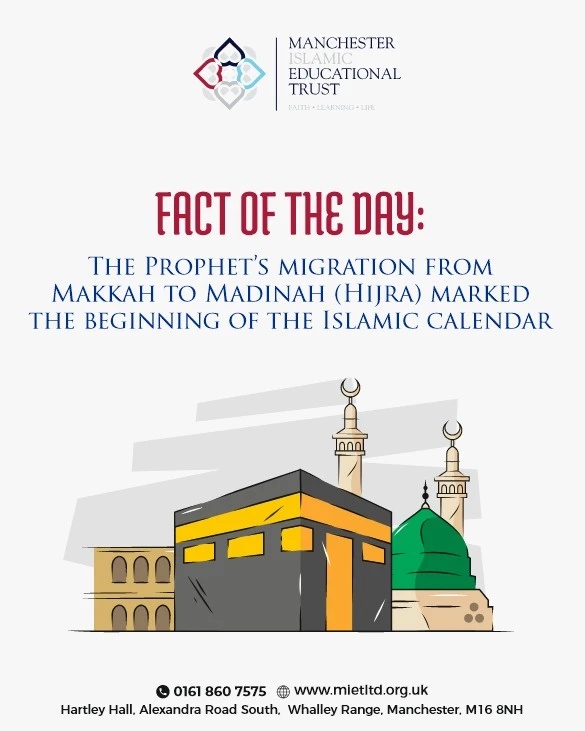
One example of such an organisation is Manchester Islamic Educational Trust, often known as M.I.E.T. Such trusts aim to create safe, nurturing environments where boys can grow into responsible Muslim men equipped with both religious understanding and worldly knowledge.
These trusts usually operate:
- Islamic primary schools
- Islamic secondary schools for boys
- Grammar or preparatory schools
- Community education centres
Their focus is not only on academic results but also on moral character, leadership, and service to society.
The Importance of Faith-Based Education for Boys
Boys benefit greatly from structured environments that emphasise discipline, responsibility, and leadership. In an Islamic educational trust setting, education is built upon:
- Tawheed (belief in One God)
- Strong moral character (Akhlaq)
- Respect for parents and teachers
- Community responsibility
- Academic ambition
In today’s rapidly changing world, Muslim parents often seek an educational environment that protects their children’s identity while preparing them to succeed professionally. Islamic educational trusts provide this balanced approach by integrating Islamic teachings into daily school life.
Academic Excellence with Islamic Values
Islamic educational trusts ensure that boys follow the UK national curriculum while also studying Islamic subjects such as:
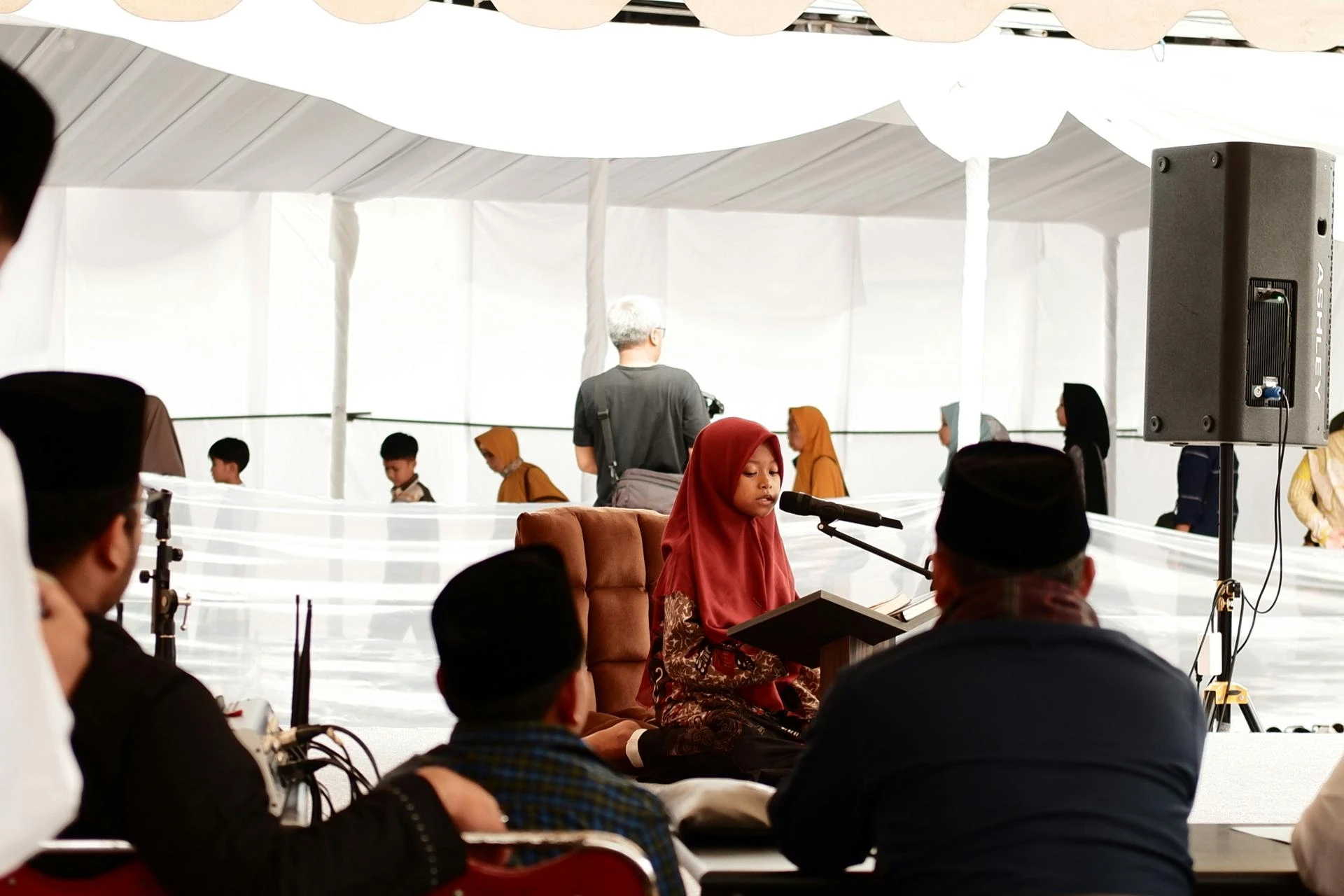
- Qur’an recitation and memorisation
- Tajweed
- Islamic Studies
- Arabic language
- Seerah (life of the Prophet)
Students often sit for GCSEs and A-Levels like their peers in mainstream schools. The difference lies in the environment: Islamic values guide classroom behaviour, dress code, and school culture.
This structured environment helps boys develop:
- Strong time management
- Focus and discipline
- Confidence in their Muslim identity
- Respect for diversity within British society
Character Development and Leadership
A key objective of any Islamic educational trust for boys is to nurture leadership qualities. Boys are encouraged to:
- Take responsibility
- Lead prayers
- Participate in community service
- Develop public speaking skills
- Support charitable initiatives
Through Islamic assemblies, Friday prayers, and school projects, students gain confidence and learn accountability. These experiences help them become future leaders in their communities, professions, and families.
Safe and Supportive Environment
One of the biggest advantages of an Islamic educational trust school for boys is the safe, structured environment. Parents value:
- Smaller class sizes
- Strong teacher-student relationships
- Clear behavioural expectations
- Moral guidance rooted in Islam
This reduces exposure to negative influences and distractions that may be present in other educational settings. Boys are encouraged to focus on personal growth, academic progress, and spiritual development.
Community Impact
Islamic educational trusts do more than educate students — they strengthen communities. Schools managed by trusts often serve as:
- Community hubs
- Venues for Islamic events
- Centres for adult education
- Platforms for charity initiatives
They foster unity among families and promote positive engagement with wider society. By producing confident, educated, and morally grounded young men, these trusts contribute to a stronger, more harmonious community overall.
Preparing Boys for the Modern World
An Islamic educational trust for boys does not isolate students from the wider world. Instead, it prepares them to engage confidently and ethically within it.
Students are encouraged to pursue careers in:
- Medicine
- Engineering
- Law
- Business
- Education
- Technology
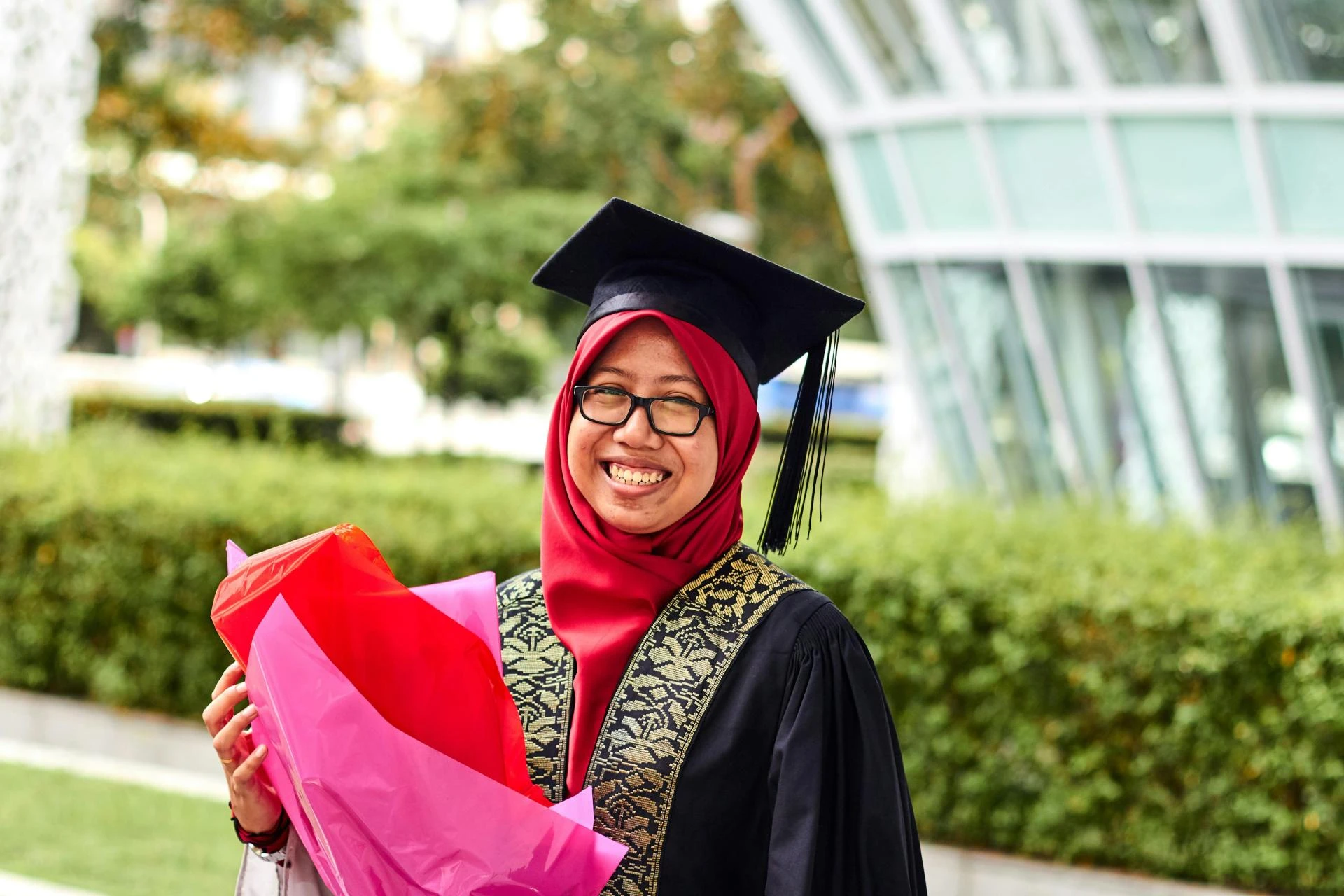
By combining religious values with academic strength, boys graduate with a clear sense of purpose and identity. They are equipped to succeed in higher education and professional life without compromising their faith.
The Role of Parents and Community
Islamic educational trusts work closely with parents to ensure a consistent approach between school and home. Regular parent meetings, workshops, and school events create strong partnerships.
When parents, teachers, and trustees work together, boys benefit from:
- Consistent discipline
- Shared moral guidance
- Academic support
- Emotional encouragement
This collaborative model strengthens both the school and the wider Muslim community.
Conclusion
An Islamic educational trust for boys plays a crucial role in shaping the next generation of confident, knowledgeable, and principled Muslim men. By combining academic excellence with strong Islamic values, these trusts create balanced educational environments that nurture both the mind and the soul.
Through structured guidance, character development, and community involvement, boys are prepared not only for examinations and careers but for leadership and responsibility in society. In an increasingly complex world, Islamic educational trusts stand as vital institutions — preserving faith, promoting knowledge, and building a brighter future for Muslim youth.









Sign in to leave a comment.