
Introduction
Islamic grammar schools for boys play a crucial role in providing a balanced education that emphasizes both academic excellence and strong moral values. These institutions strive to nurture young minds with a well-rounded curriculum that integrates Islamic teachings with modern educational standards. This blog delves into the significance, structure, and benefits of Islamic grammar schools for boys, highlighting their unique contributions to the community.
Historical Background
The establishment of Islamic grammar schools is rooted in the desire to offer an education that aligns with Islamic values while meeting contemporary educational requirements. The first Islamic schools were founded in the early 20th century, primarily in Muslim-majority countries. Over time, these institutions have spread globally, including in Western countries, where they serve the needs of Muslim communities by providing an environment conducive to both religious and academic growth.
Curriculum Structure
Islamic grammar schools for boys offer a comprehensive curriculum that blends traditional subjects with Islamic studies. The core curriculum typically includes Mathematics, Science, English, and Humanities, ensuring students receive a well-rounded education. In addition to these subjects, students are taught Arabic, Quranic studies, Islamic history, and Fiqh (Islamic jurisprudence). This integrated approach helps students develop a deep understanding of their faith alongside secular knowledge.
The Role of Islamic Studies
Islamic studies form the backbone of the curriculum in Islamic grammar schools for boys. These studies encompass a broad range of subjects, including Quranic recitation and memorization, Hadith (sayings of the Prophet Muhammad), Seerah (biography of the Prophet), and Islamic ethics. The aim is to instill a strong sense of religious identity and moral integrity in students, guiding them to become conscientious and responsible members of society.
Extracurricular Activities
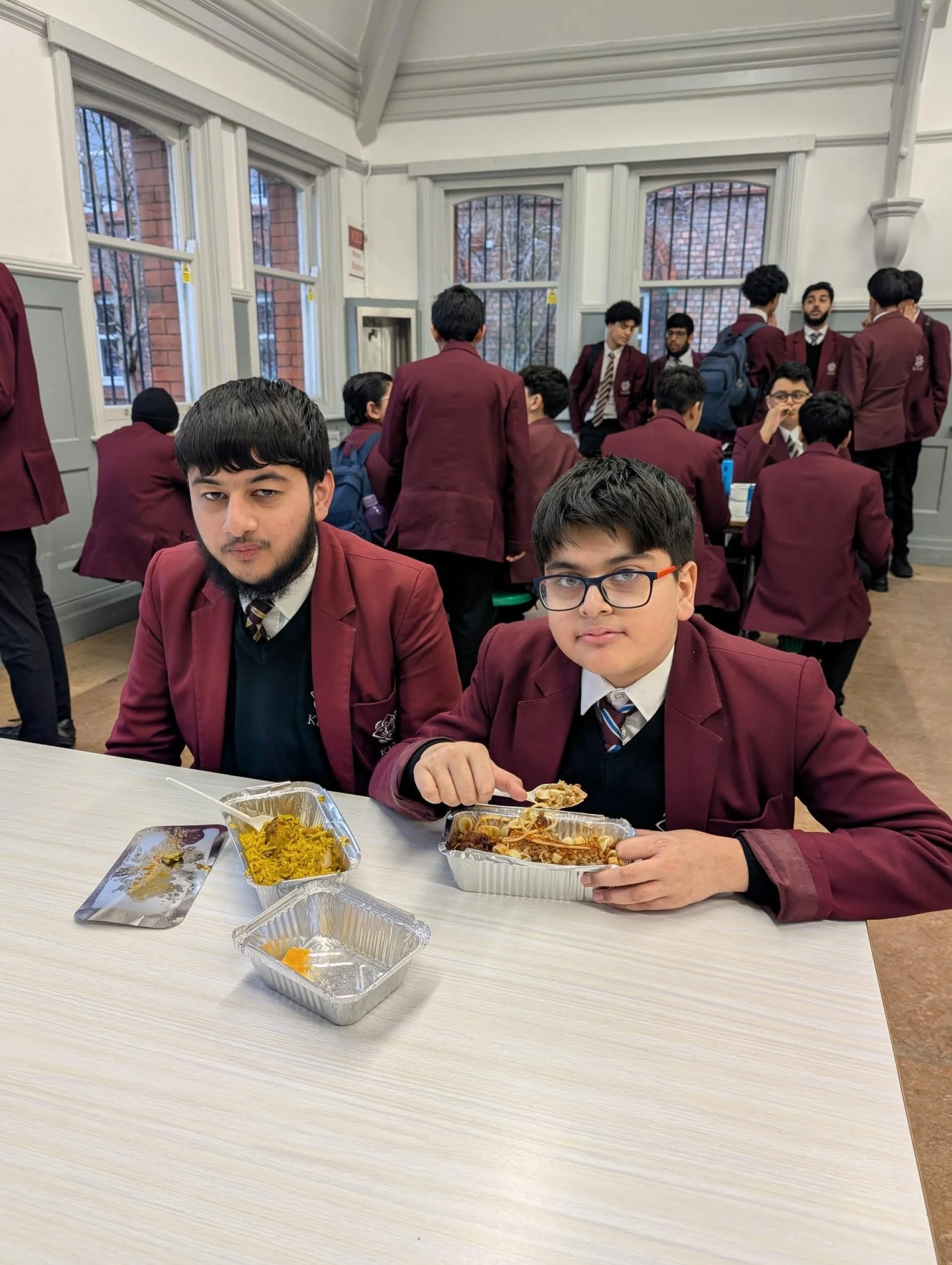
Extracurricular activities are an essential part of the holistic education provided by Islamic grammar schools. These activities range from sports and physical education to arts and cultural programs. Participation in extracurricular activities helps students develop important life skills such as teamwork, leadership, and time management. Moreover, Islamic grammar schools often offer religious extracurricular activities, including Islamic quiz competitions, Nasheed (Islamic songs) groups, and community service projects, further reinforcing the values taught in the classroom.
Character Development and Moral Education
One of the primary goals of Islamic grammar schools for boys is to foster character development and moral education. These schools emphasize the importance of Adab (proper conduct) and Akhlaq (moral character). Through daily interactions, classroom discussions, and school-wide initiatives, students learn the values of honesty, respect, compassion, and responsibility. The nurturing environment provided by these schools helps students internalize these values and apply them in their daily lives.
The Importance of Community Involvement
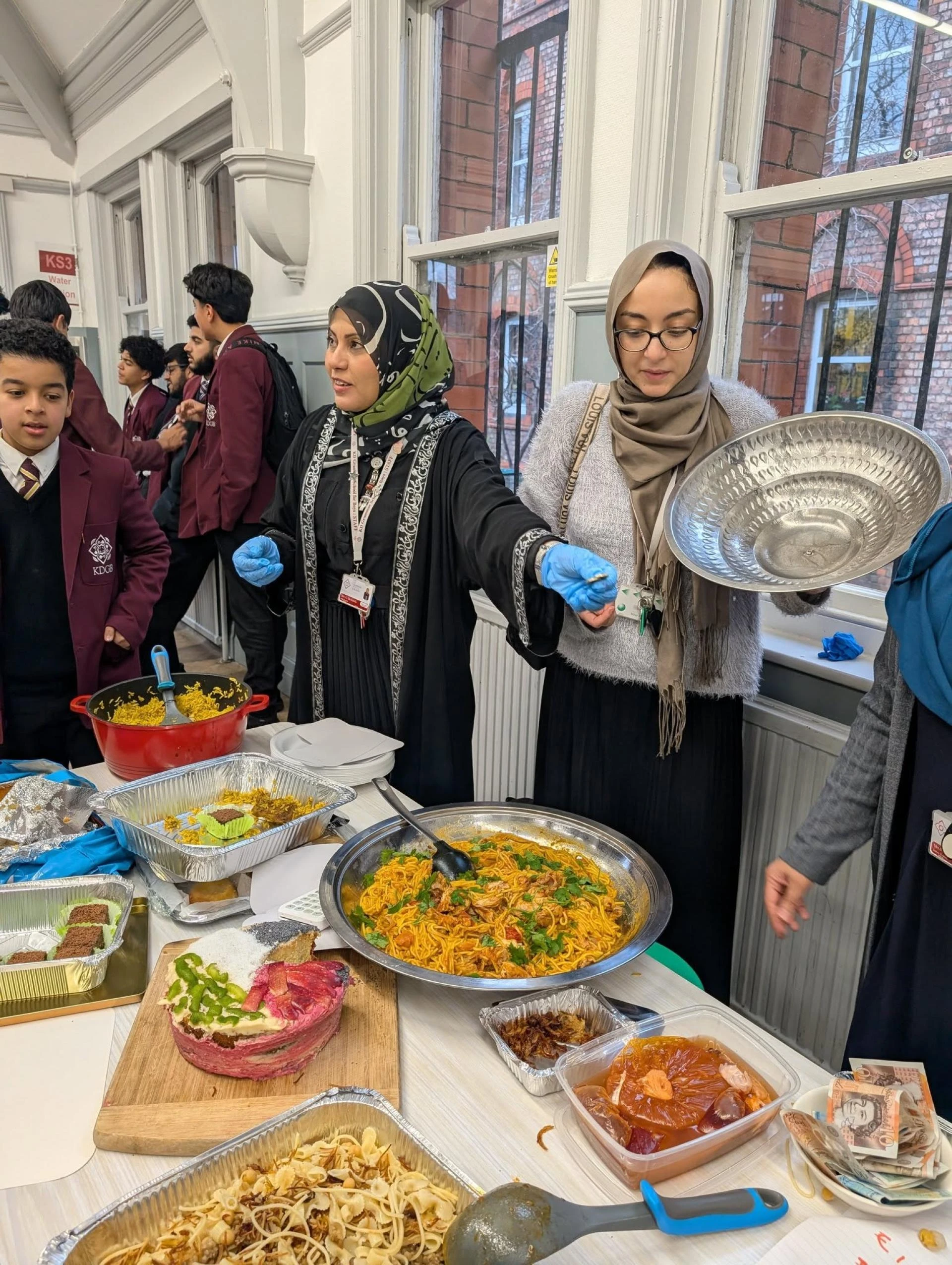
Islamic grammar schools for boys recognize the importance of involving parents and the broader community in the educational process. Parental involvement is encouraged through regular communication, parent-teacher meetings, and volunteer opportunities. Schools also organize community events, such as Islamic fairs, charity drives, and interfaith dialogues, to foster a sense of unity and collaboration. This strong connection with the community helps create a supportive environment for students and reinforces the values taught at school.
Challenges and Opportunities
Despite the numerous benefits, Islamic grammar schools for boys face several challenges. These include funding constraints, balancing religious and secular education, and addressing misconceptions about Islamic education. However, these challenges also present opportunities for growth and improvement. Schools can seek funding through community support, grants, and partnerships with other educational institutions. Additionally, ongoing professional development for teachers and administrators can help maintain high educational standards and ensure a balanced curriculum.
Future Prospects
The future of Islamic grammar schools for boys looks promising as they continue to evolve and adapt to changing educational landscapes. There is a growing recognition of the importance of providing an education that respects and integrates cultural and religious identities. As these schools expand their reach and improve their offerings, they have the potential to serve as models for holistic education that combines academic rigor with moral and spiritual development.
Conclusion
Islamic grammar schools for boys play a vital role in shaping the minds and hearts of young Muslim men. By providing a balanced education that integrates Islamic teachings with modern academics, these schools prepare students to excel in their personal, academic, and professional lives. The emphasis on character development, community involvement, and extracurricular activities ensures that students are well-rounded individuals who can contribute positively to society. Despite the challenges, the commitment of Islamic grammar schools to fostering academic excellence and moral integrity continues to make a significant impact on the lives of their students and the broader community.










Sign in to leave a comment.