
Introduction
Manchester, a vibrant and diverse city in the United Kingdom, is home to a significant Muslim population. This has led to the establishment of several Islamic schools that cater to the educational and spiritual needs of Muslim children. These institutions aim to provide a balanced education that integrates Islamic teachings with the national curriculum, fostering a holistic development of students. This blog explores the landscape of Islamic schools in Manchester, their educational approach, challenges, and the impact they have on the community.
Historical Background of Islamic Education in Manchester
The history of Islamic education in Manchester is intertwined with the growth of the Muslim community in the city. Early Muslim settlers in the mid-20th century established informal Quranic classes and weekend schools to ensure their children received religious instruction. As the community grew, so did the demand for formal Islamic education, leading to the establishment of full-time Islamic schools. These schools were initially small, community-driven initiatives, but over the years, they have expanded and developed into well-recognized institutions.
Types of Islamic Schools in Manchester
Islamic schools in Manchester can be broadly categorized into three types: primary schools, secondary schools, and supplementary schools.
Primary Schools: These schools offer education from the early years up to the end of primary education, usually around age 11. They follow the national curriculum while incorporating Islamic studies, Arabic language, and Quranic education.Secondary Schools: Catering to students aged 11-16 or 18, these schools provide education leading up to GCSEs and A-Levels. In addition to the standard curriculum, they emphasize Islamic teachings and values.Supplementary Schools: Also known as weekend or evening schools, these institutions provide religious education outside of regular school hours. They focus primarily on Quranic recitation, memorization, and basic Islamic studies.Curriculum and Educational Approach
Islamic schools in Manchester strive to offer a balanced curriculum that meets national educational standards while embedding Islamic values and teachings. The curriculum typically includes:
National Curriculum Subjects: English, mathematics, science, history, geography, and other subjects mandated by the national education authority.Islamic Studies: Covering topics such as Aqeedah (creed), Fiqh (jurisprudence), Seerah (the life of Prophet Muhammad), and Islamic history.Arabic Language: As the language of the Quran, Arabic is given significant importance, with dedicated classes to develop reading, writing, and speaking skills.Quranic Studies: Focused on recitation (Tajweed), memorization (Hifz), and understanding of the Quran.The educational approach in these schools emphasizes moral and spiritual development alongside academic excellence. Teachers aim to nurture students' character, instilling values such as honesty, compassion, and respect.
Notable Islamic Schools in Manchester
Several Islamic schools in Manchester have gained recognition for their educational standards and contributions to the community. Some of the notable institutions include:
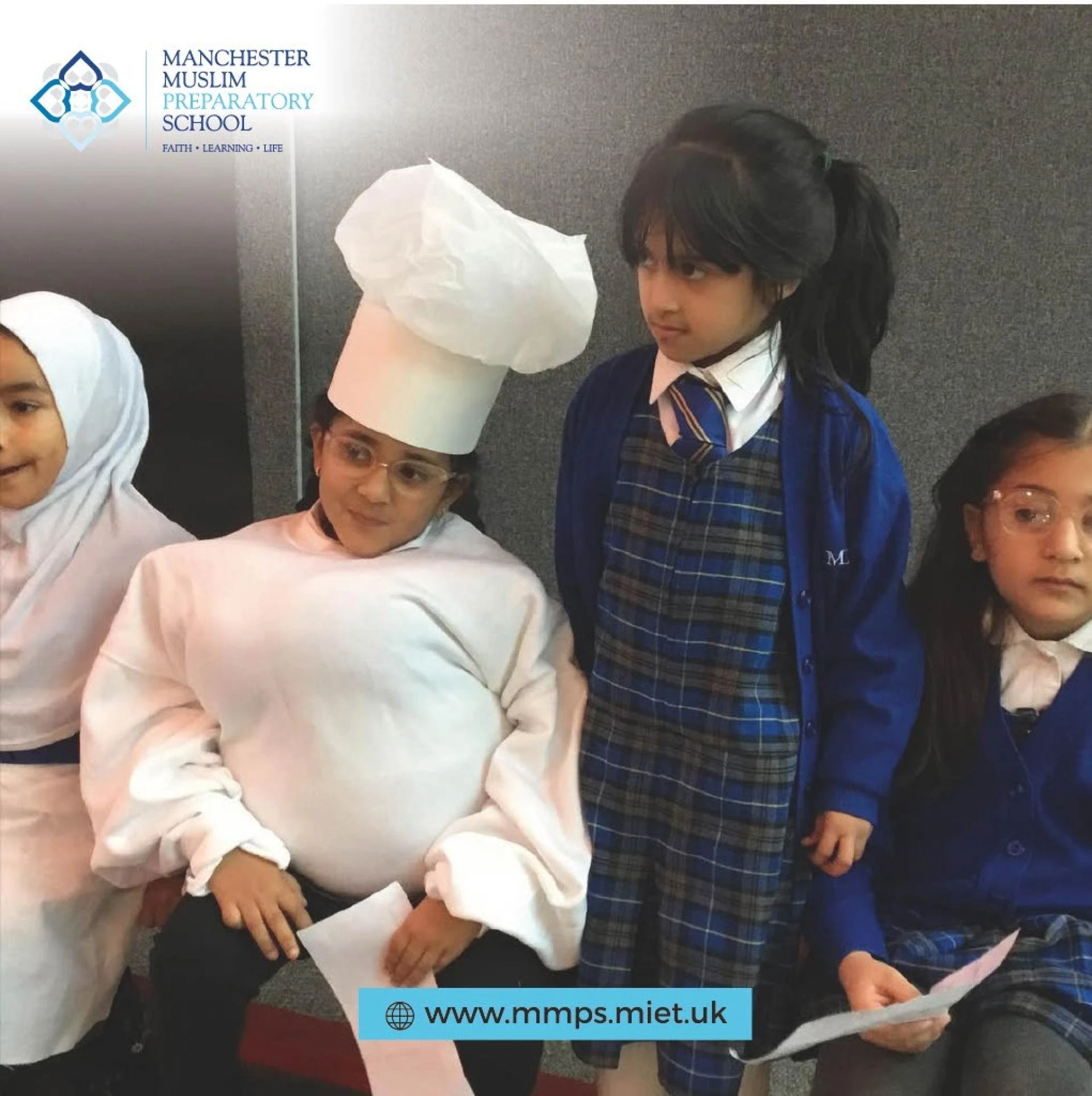
Manchester Islamic High School for Girls: Known for its academic achievements and nurturing environment, this school provides education from Year 7 to Year 11, with a strong emphasis on both academic and spiritual growth.Manchester Muslim Preparatory School: Catering to younger students, this school focuses on providing a solid foundation in both secular and Islamic education. It aims to develop well-rounded individuals who excel in their academic and religious pursuits.Zakaria Muslim Girls' High School: This school offers secondary education with a focus on empowering young Muslim women through knowledge and faith. It has a reputation for high academic standards and a supportive learning environment.Challenges Faced by Islamic Schools
Despite their successes, Islamic schools in Manchester face several challenges:
Funding: Many Islamic schools are independent and rely on tuition fees, donations, and community support. Securing adequate funding to maintain and improve facilities can be a constant struggle.Integration: Balancing the integration of Islamic teachings with the national curriculum while ensuring students are well-prepared for broader societal interactions is a complex task.Regulatory Compliance: Ensuring compliance with Ofsted (Office for Standards in Education, Children's Services and Skills) requirements and other regulatory bodies can be demanding, requiring significant administrative effort.Teacher Recruitment: Finding qualified teachers who are well-versed in both secular subjects and Islamic studies can be challenging, impacting the quality of education offered.Parental Involvement and Community Support
Parental involvement and community support are crucial for the success of Islamic schools. These schools often encourage active participation from parents through:
Parent-Teacher Associations (PTAs): These associations facilitate communication between parents and the school, allowing for collaborative efforts to improve the educational experience.Volunteer Programs: Many schools rely on volunteers for various activities, including teaching assistance, organizing events, and fundraising efforts.Community Events: Schools frequently organize events such as Islamic festivals, open days, and charity drives, fostering a sense of community and belonging among students and their families.The Impact of Islamic Schools on the Community
Islamic schools play a significant role in shaping the future of the Muslim community in Manchester. Their impact can be seen in several areas:
Academic Achievement: Many Islamic schools boast high academic standards, with students achieving excellent results in national exams. This success reflects the schools' commitment to providing quality education.Moral and Ethical Development: The emphasis on Islamic values helps students develop a strong moral compass, guiding their behavior and interactions within the wider community.Cultural Preservation: By teaching Arabic and Islamic studies, these schools help preserve cultural and religious heritage, ensuring that future generations remain connected to their roots.Community Cohesion: Islamic schools often serve as community hubs, bringing together families and fostering a sense of unity and shared purpose.Future Prospects and Opportunities
The future of Islamic schools in Manchester looks promising, with several opportunities for growth and development:
Expanding Facilities: Many schools are seeking to expand their facilities to accommodate growing student numbers and provide better resources.Enhanced Curriculum: There is potential to further enhance the curriculum by incorporating more advanced Islamic studies and modern teaching methods.Professional Development: Investing in the professional development of teachers to ensure they are equipped with the latest pedagogical skills and knowledge.Greater Collaboration: Increasing collaboration with other educational institutions and community organizations to share best practices and resources.Conclusion
Islamic schools in Manchester play a pivotal role in nurturing the academic and spiritual development of Muslim children. They provide a unique educational experience that combines national curriculum standards with Islamic teachings, fostering well-rounded individuals who are equipped to contribute positively to society. Despite facing challenges, these schools continue to thrive, thanks to the dedication of educators, parents, and the community. As they look to the future, Islamic schools in Manchester have the potential to further enhance their impact, ensuring that they remain integral to the city's educational landscape.











Sign in to leave a comment.