
Introduction
Manchester, a vibrant and diverse city in the United Kingdom, is home to a variety of educational institutions catering to different communities. Among these are Islamic schools, which have gained prominence over the years. These schools offer a unique blend of academic excellence and Islamic values, providing a holistic education to their students. This blog will explore the landscape of Islamic schools in Manchester, their curriculum, extracurricular activities, community involvement, challenges, and their impact on students and society.
The Rise of Islamic Schools in Manchester
Historical Background
The establishment of Islamic schools in Manchester can be traced back to the late 20th century when Muslim communities in the city sought to provide an education that aligned with their religious and cultural values. The first Islamic schools were small and often faced numerous challenges, including funding and regulatory hurdles. However, the dedication of parents, educators, and community leaders led to the gradual growth and establishment of more schools over the years.
Growth and Development
Over the past few decades, the number of Islamic schools in Manchester has increased significantly. This growth is a testament to the demand for faith-based education among the Muslim community. Today, there are several well-established Islamic schools in Manchester, offering education from primary to secondary levels. These schools have not only expanded in number but also in the quality of education they provide.
Curriculum and Academic Excellence
Balancing Islamic Studies and National Curriculum
One of the key features of Islamic schools in Manchester is their ability to balance Islamic studies with the national curriculum. Students receive instruction in core subjects such as mathematics, science, and English, while also learning about Islamic theology, Arabic, and Quranic studies. This dual curriculum aims to produce well-rounded individuals who excel academically and have a strong moral and ethical foundation.
Academic Achievements
Islamic schools in Manchester have consistently performed well in national examinations. Many of these schools boast impressive GCSE and A-level results, often surpassing the national average. This academic success can be attributed to the dedicated teaching staff, smaller class sizes, and a supportive learning environment that encourages students to strive for excellence.
Extracurricular Activities
Enriching Student Life
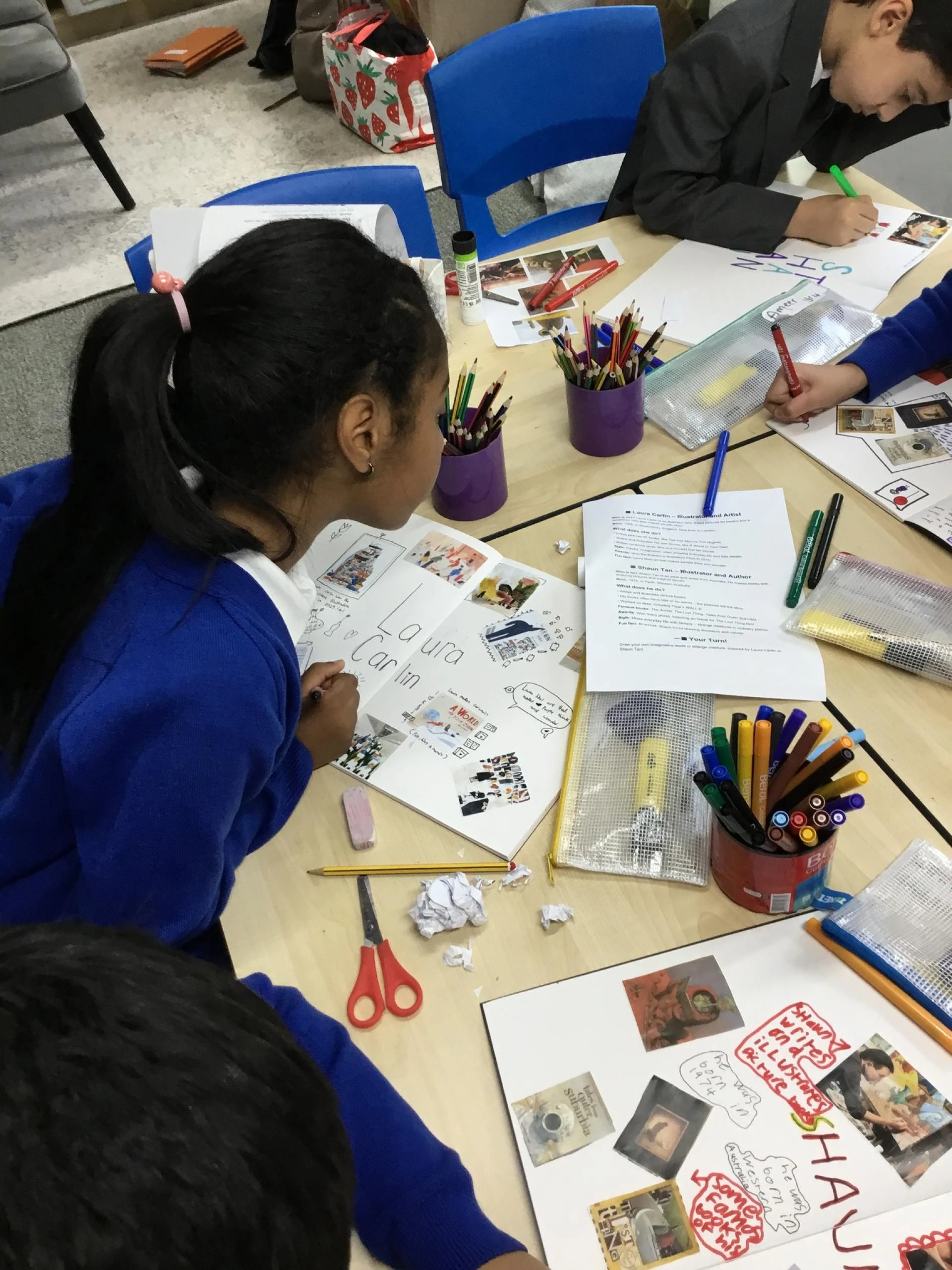
Beyond academics, Islamic schools in Manchester place a strong emphasis on extracurricular activities. These activities play a crucial role in the overall development of students, helping them build essential life skills such as teamwork, leadership, and time management. Common extracurricular offerings include sports, arts and crafts, debate clubs, and community service projects.
Islamic Cultural Events
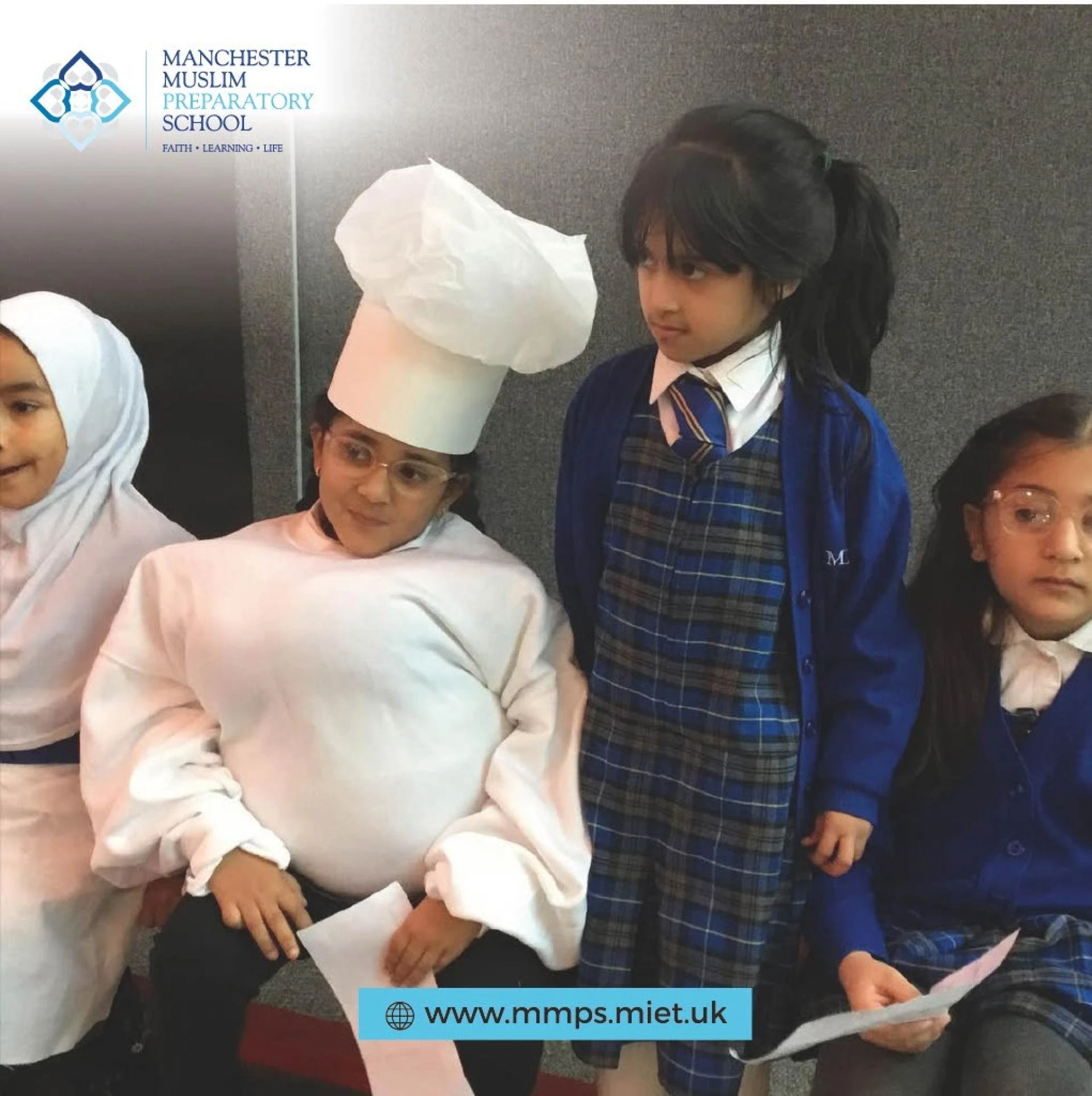
Islamic schools also organize cultural events and religious celebrations, such as Eid festivals, Quran competitions, and Islamic history fairs. These events not only enrich the students' understanding of their faith but also foster a sense of community and belonging among students and their families.
Community Involvement and Outreach
Building Strong Community Ties
Islamic schools in Manchester are deeply embedded in the local community. They often collaborate with local mosques, community centers, and charities to organize events and initiatives that benefit the wider community. These partnerships help strengthen the ties between the school and the community, fostering a spirit of cooperation and mutual support.
Community Service and Charity
Many Islamic schools encourage their students to participate in community service and charitable activities. Students are often involved in fundraising campaigns, food drives, and volunteering at local shelters and hospitals. These activities instill a sense of social responsibility and compassion in students, teaching them the importance of giving back to society.
Challenges Faced by Islamic Schools
Funding and Resources
Despite their successes, Islamic schools in Manchester face several challenges. One of the most significant is funding. Many of these schools rely on tuition fees and donations from the community, which can be unpredictable and insufficient to cover all expenses. This financial strain can limit the resources available for facilities, extracurricular activities, and staff salaries.
Regulatory Hurdles
Islamic schools must also navigate a complex regulatory landscape. They are required to meet the standards set by Ofsted, the UK's education regulator, while also adhering to Islamic principles. Balancing these requirements can be challenging, especially for smaller schools with limited administrative capacity.
The Impact of Islamic Schools on Students
Personal and Spiritual Development
Islamic schools in Manchester play a crucial role in the personal and spiritual development of their students. The integration of Islamic values into daily education helps students develop a strong moral compass and a deep understanding of their faith. This spiritual foundation can provide a sense of purpose and direction in their lives.
Academic and Career Success
The rigorous academic programs offered by Islamic schools prepare students for success in higher education and their future careers. Many graduates of Islamic schools go on to attend prestigious universities and pursue successful careers in various fields. The combination of academic excellence and strong ethical values gives them a competitive edge in the professional world.
The Future of Islamic Schools in Manchester
Opportunities for Growth
Looking ahead, there are numerous opportunities for the growth and development of Islamic schools in Manchester. With the increasing demand for faith-based education, there is potential for the establishment of more schools and the expansion of existing ones. Investment in infrastructure, teacher training, and curriculum development can further enhance the quality of education provided by these schools.
Embracing Diversity and Inclusion
As Manchester continues to grow as a multicultural city, Islamic schools have an opportunity to embrace diversity and inclusion. By welcoming students from different backgrounds and fostering an environment of mutual respect and understanding, these schools can contribute to social cohesion and harmony in the broader community.
Conclusion
Islamic schools in Manchester have come a long way since their inception. They have grown in number and quality, providing a valuable education that integrates academic excellence with Islamic values. These schools play a vital role in the personal and spiritual development of their students, preparing them for success in both their personal and professional lives. While challenges remain, the future looks promising for Islamic schools in Manchester, with opportunities for growth and greater community involvement. As they continue to evolve, these schools will undoubtedly remain a cornerstone of the Muslim community in Manchester, nurturing the minds and souls of future generations.











Sign in to leave a comment.