
Islamic schools in the UK have become an integral part of the educational landscape, providing a blend of religious and secular education that caters to the needs of Muslim families. This blog explores the various facets of Islamic schools in the UK, their historical context, curriculum, role in the community, and the challenges they face.
1. Historical Context of Islamic Schools in the UK
The establishment of Islamic schools in the UK dates back to the late 20th century, reflecting the growing Muslim population and their desire for faith-based education. The first full-time Islamic school, the Muslim Preparatory School, was established in London in 1981. This was followed by the opening of several other schools across the country. These institutions were founded to offer an environment where Islamic values and teachings could be integrated with the national curriculum, providing a balanced education that respects both religious and academic needs.
2. Types of Islamic Schools
Islamic schools in the UK can be broadly categorized into three types: private independent schools, voluntary-aided schools, and free schools.
Private Independent Schools: These are funded by tuition fees and donations, offering a curriculum that combines Islamic studies with the national curriculum.Voluntary-Aided Schools: These are state-funded but have a religious character, allowing them to incorporate Islamic teachings within the framework of the national curriculum.Free Schools: These are government-funded but operate independently, providing the flexibility to design a curriculum that meets the needs of the Muslim community while adhering to national educational standards.3. Curriculum and Educational Approach
The curriculum in Islamic schools is designed to balance religious education with academic excellence. Students receive instruction in the national curriculum subjects such as English, mathematics, science, and humanities, alongside Islamic studies, Quranic recitation, and Arabic language.
Islamic studies cover various aspects including Islamic theology (Aqidah), jurisprudence (Fiqh), and history (Seerah). The aim is to cultivate a strong Islamic identity, moral character, and understanding of faith among students while ensuring they achieve academic success comparable to their peers in mainstream schools.
4. Role in the Community
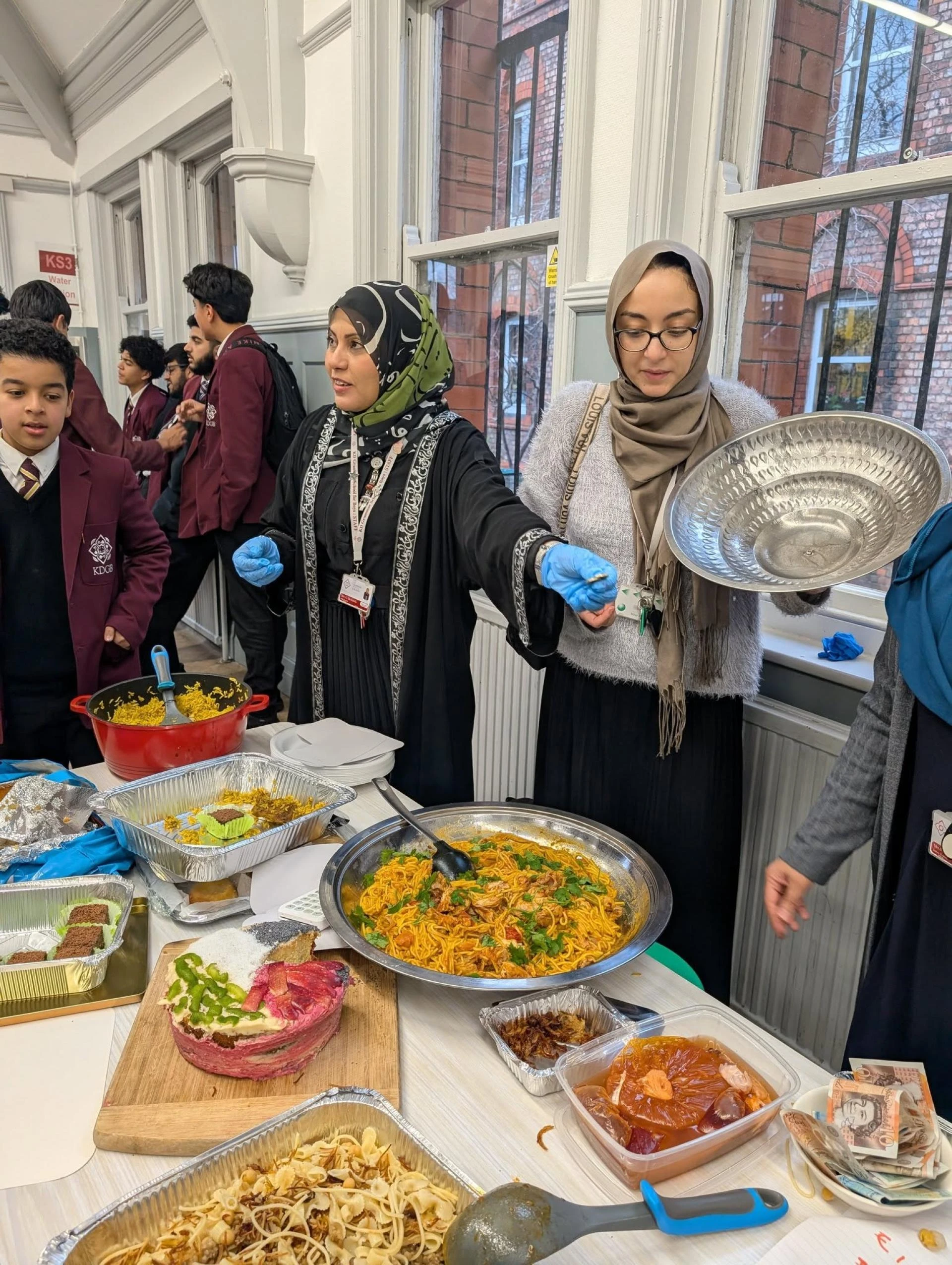
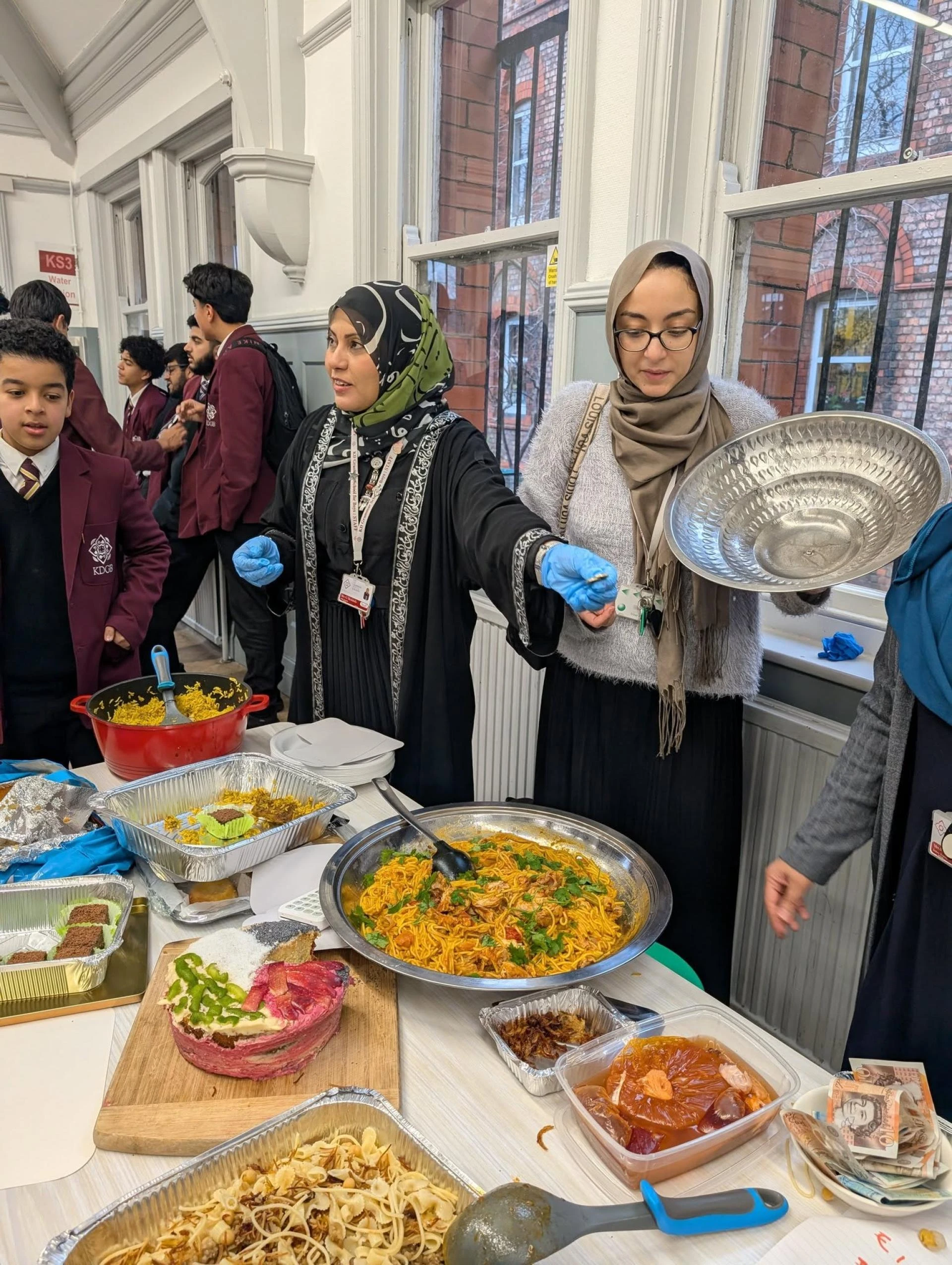
Islamic schools play a crucial role in the Muslim community by providing a safe and nurturing environment for children to learn about their faith and heritage. They also serve as community hubs, offering adult education classes, community events, and religious services.
These schools help foster a sense of belonging and community cohesion, providing a space where Muslim values and cultural practices are respected and celebrated. They also contribute to interfaith dialogue and understanding by engaging with local communities and promoting mutual respect and tolerance.
5. Academic Performance and Outcomes
Islamic schools in the UK have generally performed well academically. Many of these schools achieve high standards in national examinations, with students often outperforming their peers in state schools. This success can be attributed to the strong emphasis on discipline, respect for teachers, and the supportive learning environment that characterizes many Islamic schools.
The combination of high academic expectations and a structured environment contributes to the overall development of students, preparing them for further education and successful careers.
6. Challenges Faced by Islamic Schools
Despite their successes, Islamic schools in the UK face several challenges. Funding is a significant issue, particularly for private independent schools that rely on tuition fees and donations. This can limit their resources and ability to offer competitive salaries to attract qualified teachers.
Another challenge is the scrutiny and regulatory pressures from educational authorities and the media. Islamic schools are often under intense scrutiny to ensure they meet national educational standards and promote British values. Navigating these pressures while maintaining their religious ethos can be challenging.
7. Addressing Stereotypes and Misconceptions
Islamic schools often face stereotypes and misconceptions, with concerns about segregation, radicalization, and integration frequently raised in public discourse. However, research and inspection reports generally show that these schools promote values of respect, tolerance, and integration into British society.
Addressing these misconceptions involves transparency, community engagement, and showcasing the positive contributions of Islamic schools. By highlighting their academic achievements, community involvement, and role in promoting social cohesion, these schools can counter negative stereotypes and demonstrate their value to broader society.
8. Future Prospects and Development
The future of Islamic schools in the UK looks promising, with increasing demand from Muslim families seeking faith-based education. The government’s support for free schools provides opportunities for the establishment of more state-funded Islamic schools that can offer high-quality education without the financial burden on parents.
Technological advancements and innovative educational approaches are also likely to shape the future of Islamic education. Incorporating digital learning tools, developing new teaching methods, and enhancing teacher training programs will be crucial in meeting the evolving needs of students and ensuring the continued success of Islamic schools.
Conclusion
Islamic schools in the UK represent a vital component of the educational system, providing an environment where Muslim children can receive a balanced education that respects their religious beliefs while achieving academic excellence. Despite facing challenges such as funding constraints and regulatory pressures, these schools have demonstrated resilience and success. They play a pivotal role in their communities, fostering a sense of identity, belonging, and mutual respect. As they continue to evolve and adapt to changing educational landscapes, Islamic schools will remain a valuable asset in promoting diversity, inclusion, and social cohesion in the UK.











Sign in to leave a comment.