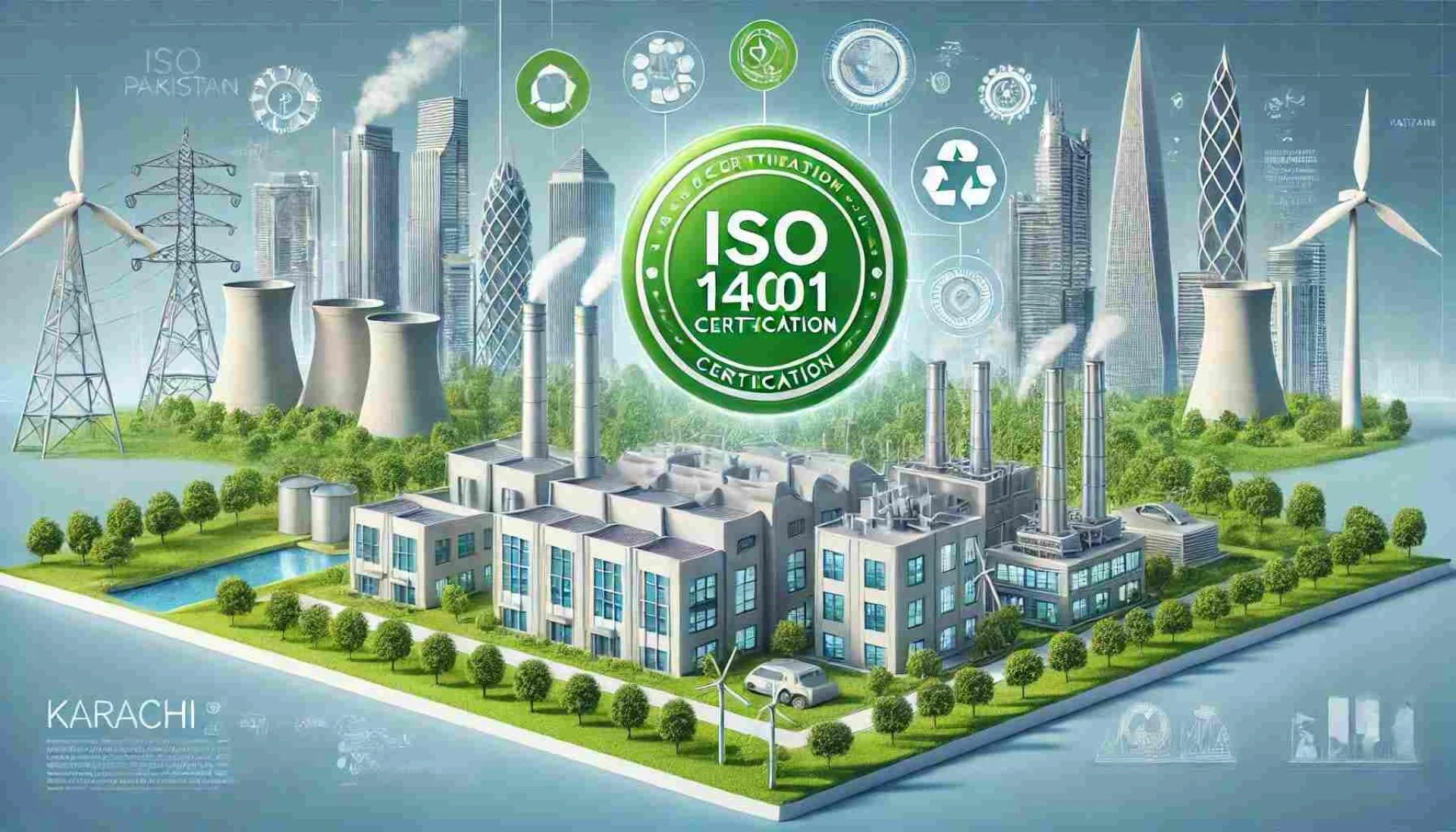

Pakistan’s industrial sector is expanding rapidly, with manufacturing, textiles, construction, and energy playing a crucial role in economic development. However, industrial growth also brings environmental challenges such as pollution, waste management, and resource depletion. To address these concerns, businesses in Pakistan are increasingly adopting ISO 14001 certification in Pakistan, an internationally recognized standard for environmental management systems (EMS). This article explores how ISO 14001 contributes to sustainability and competitiveness in Pakistan’s industrial landscape, particularly in cities like Lahore, Karachi, and Multan.
Understanding ISO 14001 Certification
ISO 14001 is a globally accepted standard that provides a framework for organizations to implement effective environmental management systems (EMS). It helps industries:
- Identify and control environmental impacts
- Comply with legal and regulatory requirements
- Improve resource efficiency and waste reduction
- Enhance corporate reputation and stakeholder trust
The Need for ISO 14001 in Pakistan’s Industrial Sector
With increasing environmental regulations and growing awareness of sustainability, Pakistani industries face mounting pressure to adopt responsible environmental practices. Key reasons why ISO 14001 certification in Pakistan is essential for the industrial sector include:
1. Regulatory Compliance
Environmental laws in Pakistan, such as the Pakistan Environmental Protection Act (PEPA) and provincial environmental regulations, require industries to minimize their environmental footprint. ISO 14001 helps businesses ensure compliance, reducing the risk of penalties and legal complications.
2. Sustainable Industrial Growth
Industries that integrate environmental sustainability into their operations experience long-term benefits, including:
- Reduced energy and water consumption
- Lower waste disposal costs
- Efficient use of raw materials These improvements contribute to cost savings and sustainable business practices in cities like Lahore, Karachi, and Multan.
3. Competitive Advantage in Global Markets
International clients and investors increasingly prefer working with environmentally responsible companies. ISO 14001 certification in Pakistan gives industries a competitive edge in global supply chains by demonstrating their commitment to sustainable production.
4. Improved Brand Reputation and Customer Trust
ISO 14001 certification enhances a company's reputation by showcasing environmental responsibility. Businesses that implement sustainable practices gain consumer trust, attracting eco-conscious customers and partners.
5. Better Risk Management and Operational Efficiency
Industries face risks related to pollution, resource scarcity, and climate change. ISO 14001 helps businesses mitigate these risks by adopting proactive environmental management strategies. It also improves operational efficiency by identifying opportunities for cost-effective waste management and resource optimization.
Implementation of ISO 14001 in Pakistan
To achieve ISO 14001 certification in Pakistan, industries must follow a structured process:
- Environmental Policy Development – Establishing policies aligned with ISO 14001 standards.
- Environmental Impact Assessment – Identifying significant environmental aspects of operations.
- Implementation of EMS – Integrating environmental objectives into business processes.
- Employee Training and Awareness – Ensuring workforce engagement in environmental initiatives.
- Audits and Continuous Improvement – Conducting regular internal audits and assessments to enhance environmental performance.
Conclusion
ISO 14001 certification is a strategic asset for industries in Pakistan, particularly in major industrial cities like Lahore, Karachi, and Multan, aiming for sustainable growth, regulatory compliance, and global competitiveness. By adopting ISO 14001 certification in Pakistan, businesses can reduce environmental impact, enhance efficiency, and gain a strong market position. As Pakistan’s industrial sector continues to grow, prioritizing environmental sustainability through ISO 14001 will be a key driver for long-term success.













Sign in to leave a comment.