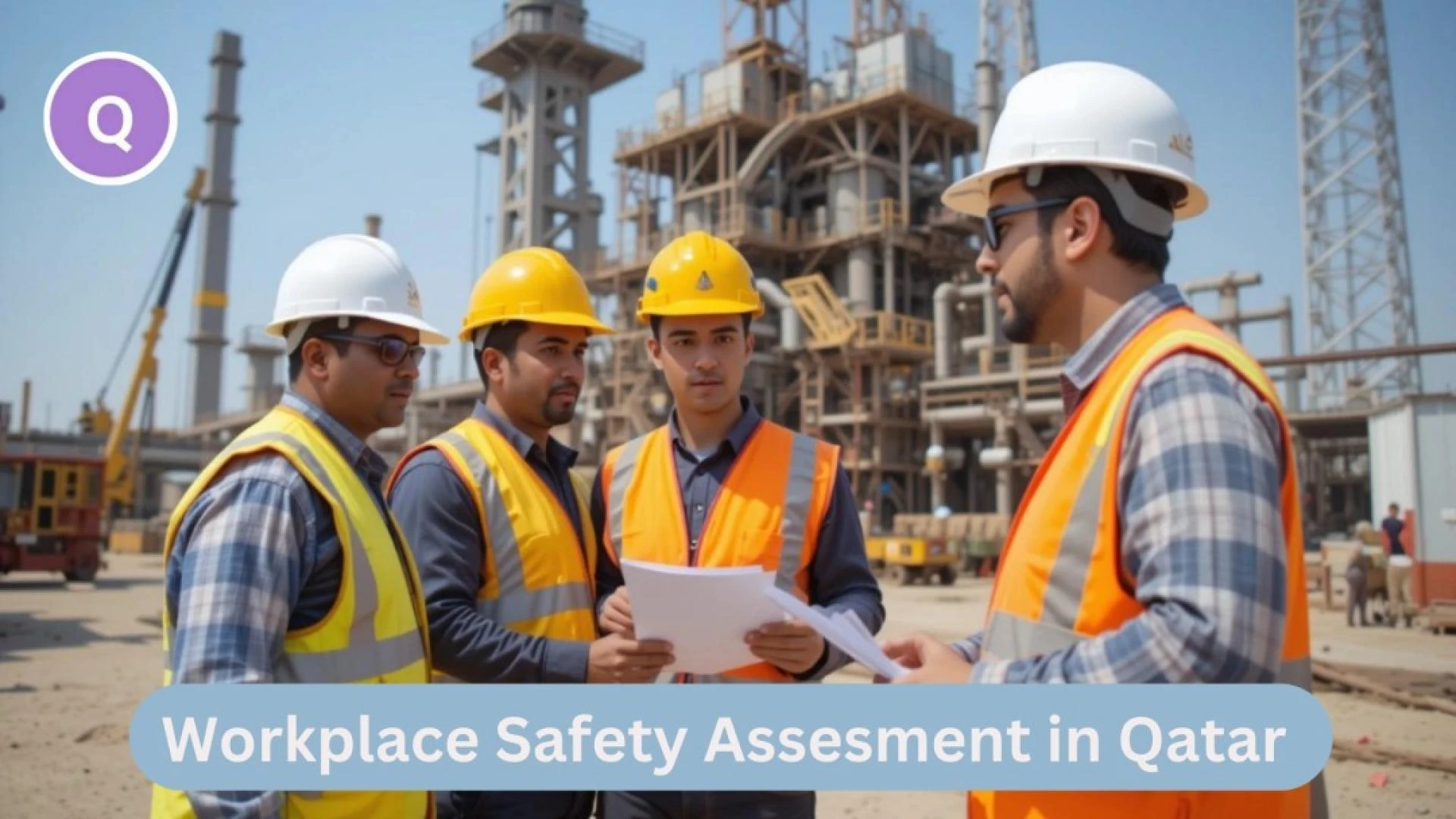

Workplace safety is a critical concern for businesses operating in high-risk industries in Qatar, including oil and gas, construction, logistics, and heavy manufacturing. These sectors face elevated risks of workplace accidents, occupational injuries, and operational downtime due to the hazardous nature of their activities. To safeguard employees, maintain compliance with Qatar labor laws, and build a strong reputation, adopting ISO 45001 Certification in Qatar has become essential.
Understanding ISO 45001
ISO 45001 is the globally recognized standard for Occupational Health and Safety Management Systems (OHSMS). It provides a framework for conducting workplace risk assessments, identifying hazards, and reducing operational risks. Organizations that adopt ISO 45001 establish safer working conditions, ensure health and safety compliance in Qatar, and improve long-term productivity.
Why High-Risk Industries in Qatar Need ISO 45001
1. Oil and Gas Industry
Qatar’s oil and gas sector involves offshore drilling, refining, and pipeline operations, which carry risks such as explosions, chemical exposure, and equipment failure. ISO 45001 helps companies adopt hazard management systems, emergency preparedness strategies, and incident response protocols, significantly reducing workplace risks.
2. Construction and Infrastructure Projects
With Qatar’s rapid development of mega infrastructure projects, construction workers face dangers like falls from heights, machinery accidents, and unsafe scaffolding. ISO 45001 introduces safety management frameworks, employee safety training, and monitoring systems, ensuring compliance with international occupational safety standards.
3. Logistics and Transportation
The logistics sector in Qatar involves road transport, warehousing, and maritime shipping, all of which pose challenges such as driver fatigue, cargo handling injuries, and traffic accidents. Through ISO 45001, organizations implement driver safety programs, risk reduction strategies, and continuous monitoring, thereby reducing operational and human safety risks.
4. Manufacturing and Industrial Operations
Manufacturing facilities with heavy machinery, chemical processing, and assembly lines are prone to accidents and health hazards. ISO 45001 helps establish preventive maintenance, safety audits, and employee awareness programs, ensuring workplace safety and minimizing disruptions.
Key Benefits for High-Risk Sectors
- Regulatory Compliance: Ensures alignment with Qatar Ministry of Labor health and safety regulations.
- Reduced Incidents: Lowers occupational injury rates through systematic risk management.
- Cost Savings: Cuts expenses related to insurance claims, medical costs, and accident-related downtime.
- Employee Well-Being: Enhances workforce morale and trust by prioritizing occupational health.
- Competitive Advantage: Improves reputation when competing for government tenders and international contracts.
Building a Culture of Safety
ISO 45001 fosters a safety-first workplace culture, encouraging active participation from employees and management alike. This cultural transformation ensures that workplace safety procedures are embedded in daily operations, with continuous health and safety training programs and proactive risk monitoring in place.
Conclusion
For high-risk industries in Qatar, ISO 45001 Certification is not just a legal necessity but a strategic investment in occupational health, employee protection, and business sustainability. Whether in oil and gas, construction, logistics, or manufacturing, companies that adopt ISO 45001 demonstrate leadership in workplace safety management and position themselves for long-term growth and resilience.









Sign in to leave a comment.