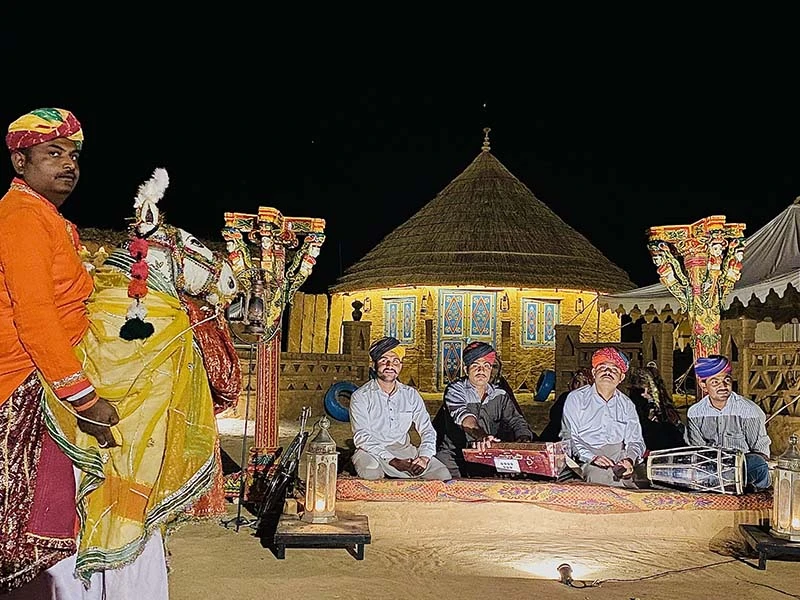

Jaisalmer, the golden city of Rajasthan, is not just known for its majestic forts and sweeping desert landscapes—it is a living museum of traditional music and dance. From the haunting tunes of the Ravanhatta to the rhythmic footwork of skilled performers, Jaisalmer’s folk dances are deeply rooted in centuries of history, war, celebration, and devotion. While staying at a desert camp in sand dunes jaisalmer, you can experience these cultural expressions in their most authentic form, performed by local artists under the stars.
Kalbeliya – The Dance of the Snake Charmers
Perhaps the most iconic of Rajasthan’s folk dances, Kalbeliya is performed by the Kalbeliya community, traditionally known as snake charmers. The dance is a swirl of black skirts, silver jewelry, and serpentine movements. Dancers mimic the movements of snakes with astonishing grace, bending and spinning in fluid motions. Accompanied by instruments like the pungi, dholak, and khanjari, this dance is both hypnotic and deeply spiritual. Watching Kalbeliya performed in the desert, lit by firelight, is a surreal experience that leaves a lasting impression.
Ghoomar – The Royal Dance of Grace
Ghoomar is a graceful and elegant dance traditionally performed by Rajput women on festive occasions. The dancers wear colorful ghagras (long skirts) that swirl dramatically as they move in circles. What makes Ghoomar unique is the combination of poise and rhythmic footwork, often synchronized with songs sung in praise of valor and romance. The dance is slow-paced yet captivating, allowing audiences to appreciate the intricacy of each move. Ghoomar is commonly performed at weddings and cultural events, often giving tourists a glimpse of regal Rajasthan.
Bhavai – Balancing Art and Skill
Bhavai is an extraordinary balancing act that doubles as a dance. In this form, women perform while balancing up to seven or more earthen pots on their heads. As they move across swords or narrow glass pieces, the tension rises, yet the performers remain composed and in rhythm. This dance is not only a test of balance but also a reflection of the daily lives of desert women, who often carry water pots across long distances. Bhavai is thrilling and awe-inspiring, especially when viewed in a natural setting like a desert camp.
Terah Taali – A Dance of Devotion
Performed mainly by the Kamada tribes, Terah Taali is a devotional dance where women sit and play manjeeras (small cymbals) tied to thirteen parts of their bodies. The performance is accompanied by male singers playing traditional instruments, often narrating stories of local deities or heroes. The synchronization required in Terah Taali is remarkable, making it both a spiritual and technical feat. The performers remain seated throughout, yet the energy of the dance keeps audiences fully engaged.
Fire Dance – The Desert’s Daring Spectacle
Unique to the desert regions near Jaisalmer, the Fire Dance is a spectacle of fearlessness and endurance. Performed by the Banjara community, this dance involves actual fire. Men perform intense steps and movements while holding flaming sticks or dancing over burning coals. The rhythm is fast, driven by the beat of drums and chants that grow in intensity. It’s less of a traditional dance and more of a ritualistic performance that showcases bravery and raw energy.
Chari Dance – The Ritual of Light
The Chari dance involves women balancing brass pots with lit lamps on their heads as they perform coordinated dance steps. This form symbolizes joy and celebration, often performed during weddings and festivals. Dancers wear traditional attire adorned with mirror work, and the light from the pots reflects off their costumes, creating a visual treat. The dance requires immense practice and balance, combining aesthetics with cultural significance. It’s often the highlight of community gatherings in villages around Jaisalmer.
Kachhi Ghodi – The Horse Dance of Warriors
Though more common in eastern Rajasthan, the Kachhi Ghodi dance has its versions in Jaisalmer too. Dancers wear elaborate costumes that resemble a horse and perform mock battles with swords, celebrating tales of local bandits and warriors. Accompanied by narrators and drummers, this dance is highly theatrical and appeals to audiences of all ages. It reflects the valor and folklore of the region, told through exaggerated movements and vibrant costumes.
Cultural Performances in Desert Camps
Folk dance in Jaisalmer isn’t restricted to festivals or local functions. Many desert camps include evening cultural programs where local artists perform for visitors. These programs offer an intimate experience of Rajasthan’s traditional arts. Whether it’s the soulful music of the Manganiyars or the high-energy footwork of Kalbeliya dancers, every performance is a window into the soul of the desert.
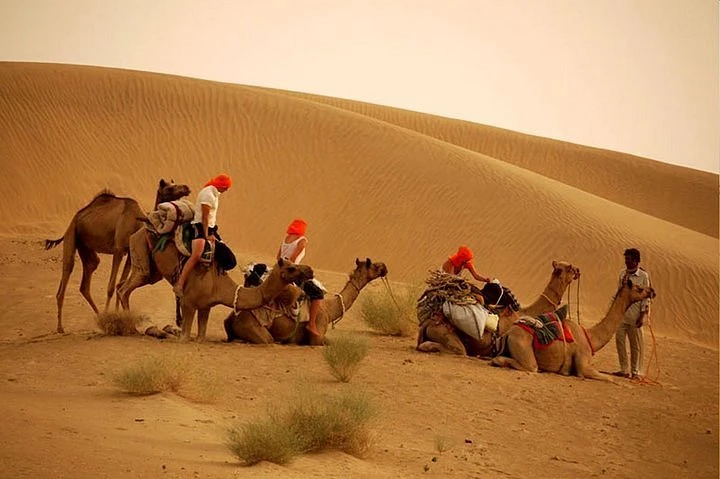
Tourists can opt for packages that combine stay, meals, and live performances. One popular option includes a luxury AC Tent with Free Camel Safari, giving guests both comfort and a chance to explore local traditions up close. These performances are often interactive, allowing visitors to join in, take photos, or even try their hand at playing an instrument.
Enhancing the Experience with Local Adventures
Adding to the charm of the cultural nights is the thrill of exploring the desert during the day. Activities like dune bashing, quad biking, and camel rides are popular among travelers. For those looking for an adrenaline rush, Jeep safari in jaisalmer offers a high-speed adventure through the towering dunes. These excursions often end with a beautiful desert sunset, followed by a traditional dinner and folk entertainment around the bonfire.
Conclusion
Folk dances in Jaisalmer are more than entertainment—they are a living narrative of the land, its people, and their stories. Each dance tells a tale of devotion, courage, or celebration, passed down through generations. Experiencing them live, under a sky full of stars in the Thar Desert, connects visitors to the cultural roots of Rajasthan in a way no guidebook ever can.
From the hypnotic Kalbeliya to the daring Fire Dance, each performance is a celebration of life, resilience, and heritage. If you're planning a trip to Jaisalmer, immerse yourself not just in the landscapes, but in the rhythm and spirit of its people through these unforgettable folk dances.







Sign in to leave a comment.