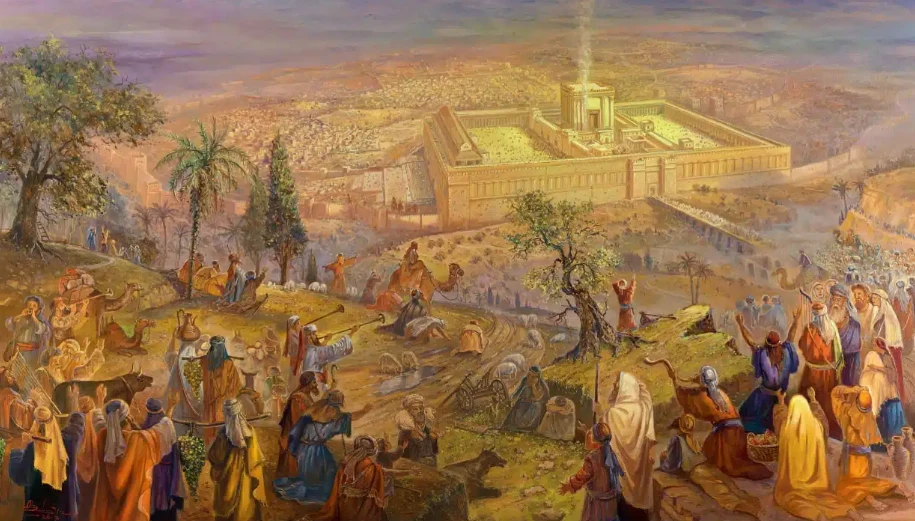

The hum of a 3D printer or the glow of an augmented reality (AR) app might seem worlds apart from the quiet reverence of a synagogue or the textured brushstrokes of a Jerusalem landscape. Yet, as technology reshapes how we create and consume art, Judaica artists face a pressing question: Can traditions rooted in centuries of history thrive in a pixel-driven world? The answer isn’t simple, but it’s unfolding in studios, online markets, and galleries where ancient symbols meet modern tools.
When Tradition Meets Tech: Reimagining Jerusalem’s Symbols
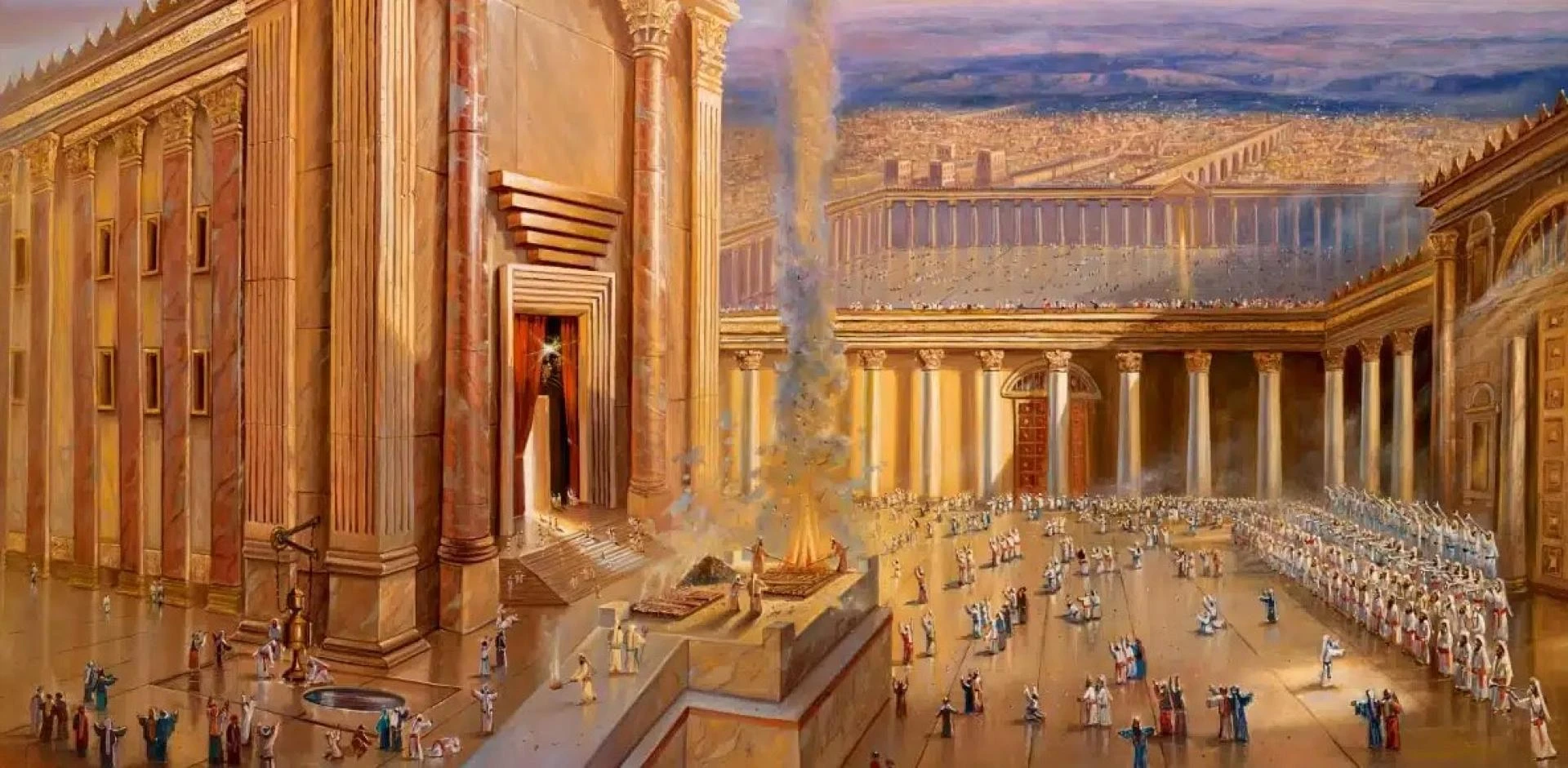
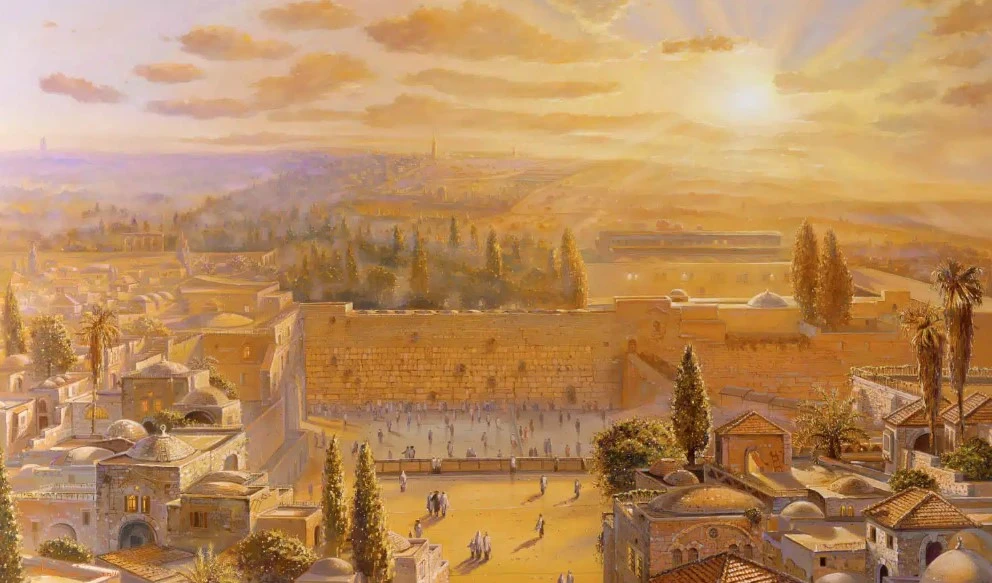
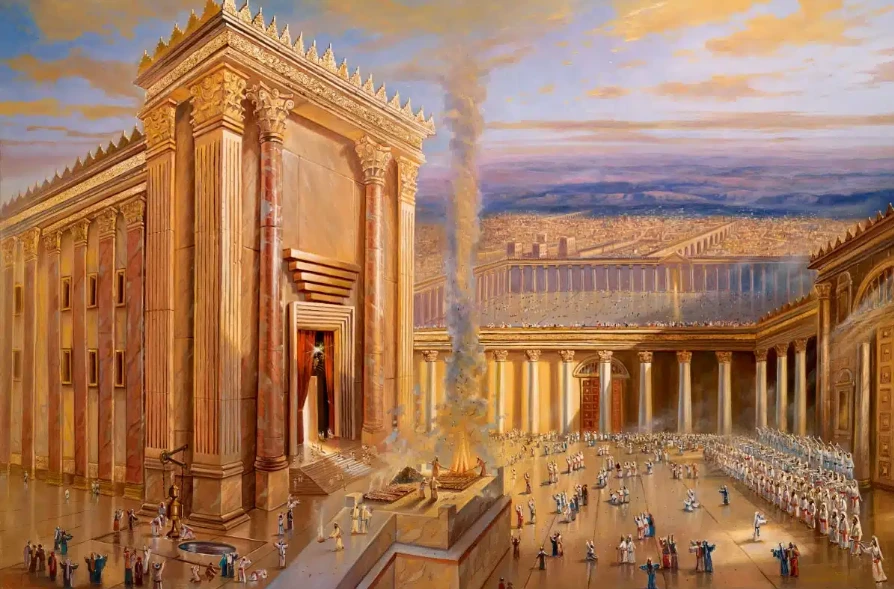
Judaica art has always adapted to its time. From illuminated manuscripts to hand-painted ketubahs, each era’s tools left their mark. Today, artists are using digital methods to reinterpret Jerusalem’s sacred imagery without erasing its soul. For example, 3D modeling allows creators to reconstruct the Temple’s architecture in intricate detail, offering viewers a “walkthrough” of spaces lost to time. Others use AR apps to layer historical context over physical Judaica pieces—imagine pointing your phone at a painting of the Western Wall and seeing it transform into a bustling First Temple courtyard.
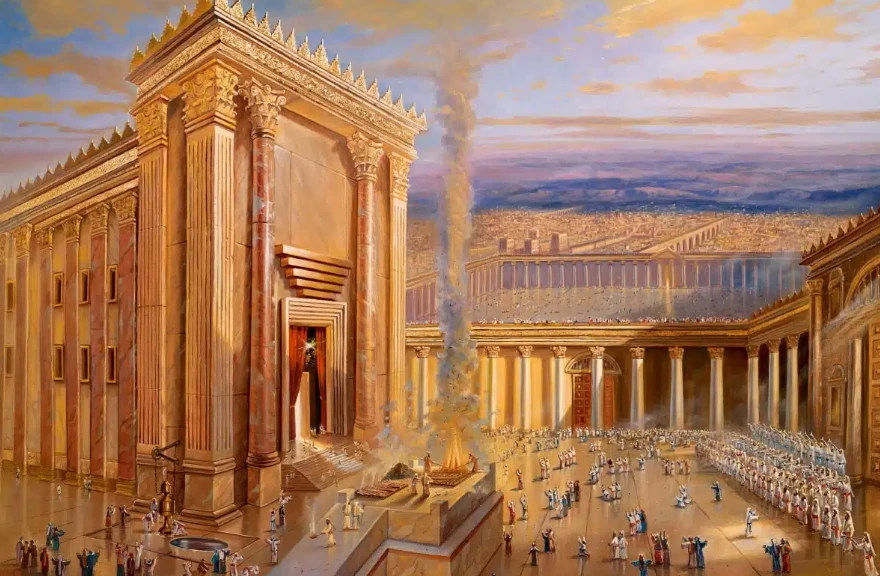
These innovations aren’t about replacing tradition. Instead, they’re expanding how stories are told. A watercolor artist might scan their work to create limited-edition prints, while another uses digital brushes to add subtle Hebrew calligraphy to a Jerusalem skyline. The goal remains the same: to keep cultural memory alive, even if the tools feel futuristic.
Sacred Pixels? The Double-Edged Sword of Digitization
Digitizing art tied to faith and heritage comes with risks. For some, a screen can’t replicate the gravity of a physical piece. A tactile painting of Jerusalem, with its textured canvas and visible brushstrokes, often feels more connected to the land it depicts than a digital replica. There’s also the concern that oversaturating sacred symbols—like the menorah or Star of David—in casual digital formats could dilute their meaning.
Yet the rewards are compelling. Digital platforms let artists share Judaica with global audiences who might never step into a Judaica shop. Younger generations, raised on apps and instant access, engage more readily with interactive art. An AR-enhanced print of the Old City might not replace a family heirloom, but it could spark a teenager’s interest in their heritage. The key lies in balancing accessibility with respect—using tech to amplify, not overshadow, the art’s purpose.
Physical vs. Digital: What Buyers Want
The shift toward digital sales isn’t just about how art is made, it’s about how it’s bought. Physical Judaica pieces, like oil paintings of Jerusalem’s alleys or hand-embellished lithographs, still dominate ceremonial purchases (think bar mitzvah gifts or wedding decor). Buyers often associate physical art with permanence, a quality that aligns with Judaica’s role in marking life’s milestones.
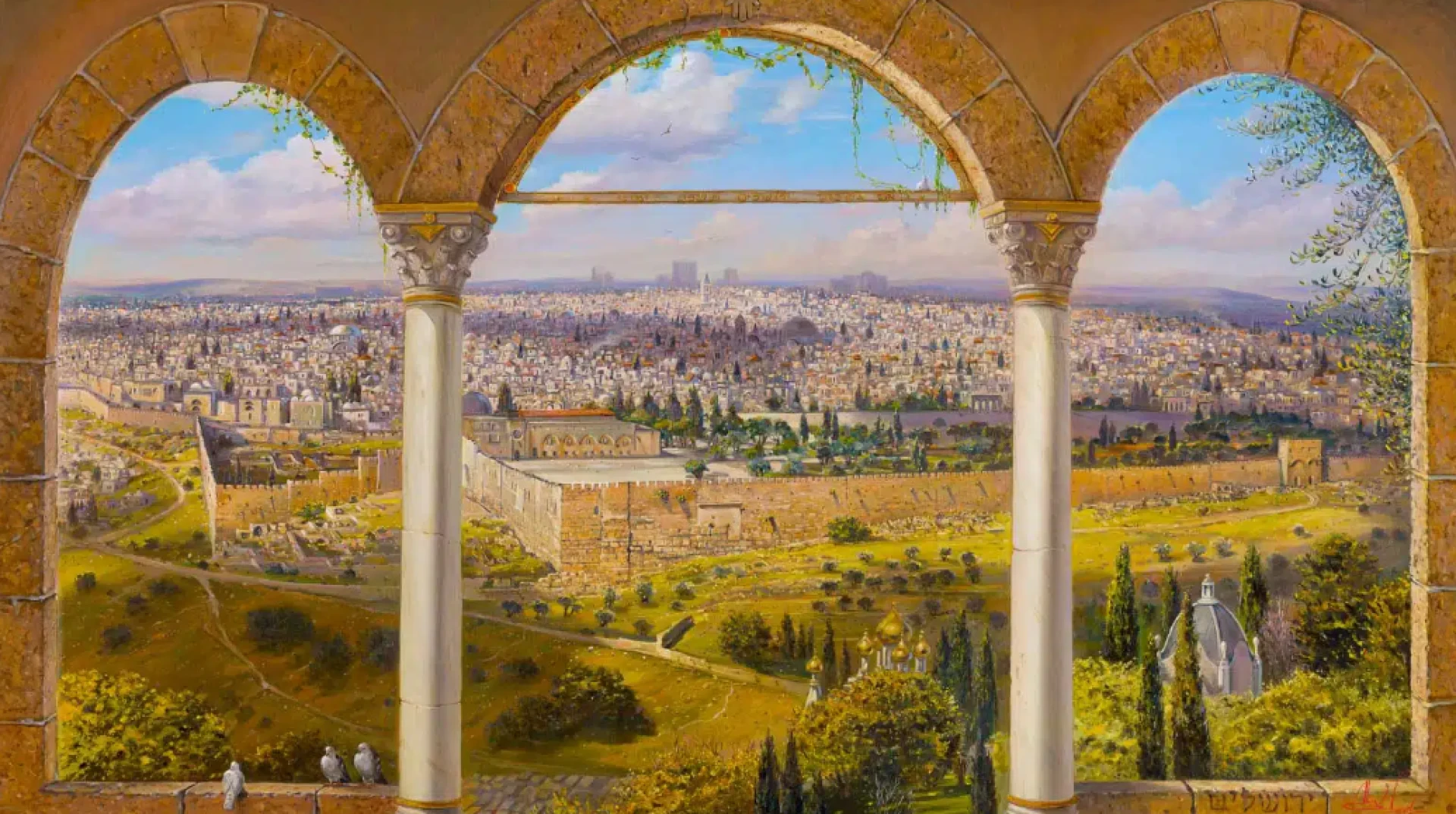
Digital sales, however, are carving their niche. Younger collectors and international buyers gravitate toward affordable prints, NFTs of contemporary Judaica designs, or instant downloads for home decor. Pricing reflects this divide: a large original painting might command thousands, while a digital file sells for a fraction. Still, artists like those at ArtLevin find success by offering both. A collector might buy a physical piece for their dining room and a digital version to display on a tablet during travels, keeping their connection to Jerusalem close.
Bridging Two Worlds: How ArtLevin Balances Old and New
ArtLevin’s approach offers a blueprint for harmonizing tradition with innovation. Their collections feature physical paintings that use centuries-old techniques, like gold leaf detailing Jerusalem landscapes, paired with digital preview tools that let buyers visualize art in their space. For modern twists, they collaborate with artists who integrate subtle digital elements—think faint overlays of Hebrew poetry or geometric patterns inspired by Temple blueprints—into otherwise traditional mediums. This strategy respects the past while acknowledging that art must evolve to stay meaningful.
What’s Next for Judaica Art?
The future will likely see deeper integration of tech and tradition. Imagine virtual galleries where visitors explore Jerusalem’s history through immersive 3D art, or AI tools that help artists recreate faded medieval manuscripts. Yet, the core of Judaica art—its role in preserving identity and faith—will remain rooted in human hands and hearts. As one artist noted, “Technology is a brush, not the painter.”
For now, the relevance of paintings of Jerusalem hinges on this balance. Whether through a VR tour of the Temple Mount or a centuries-old ketubah style revived in digital form, the art’s power lies in its ability to make the ancient feel immediate. And in a world where cultural roots can feel fragile, that connection matters more than ever.
Sign in to leave a comment.