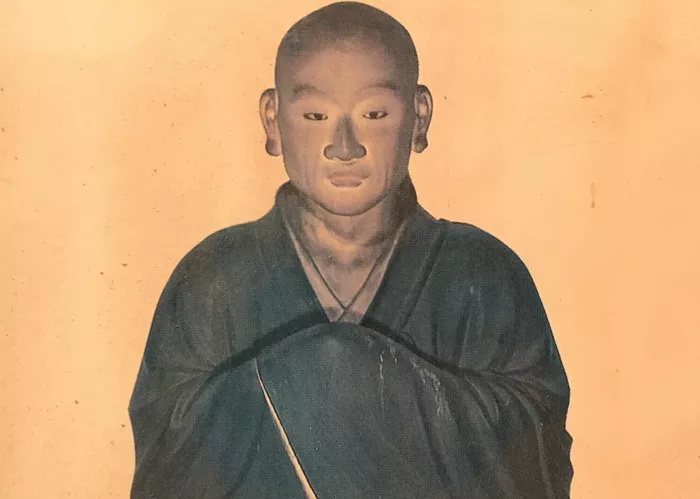

Kakuban (1095–1143) was a Japanese Buddhist monk who played a pivotal role in the development of the Shingon school of esoteric Buddhism. He is known for revitalizing Shingon practices and creating new rituals that strengthened the spiritual life of the Japanese people during the late Heian period. Kakuban’s life, teachings, and influence are deeply connected with the spread of Shingon esoteric practices and the integration of Pure Land elements into esoteric Buddhism.
Understanding Kakuban’s work is essential for students of Japanese Buddhism because he helped shape Shingon into a more accessible and practical tradition. His innovations allowed laypeople and monks alike to engage in spiritual practices that emphasized both enlightenment and devotion. Through his biography and teachings, we can see the deep commitment Kakuban had to Buddhist practice and his lasting influence on Japanese religious history.
Early Life and Background
Kakuban was born in 1095 in Japan. His secular name is believed to have been Shin’yen, although historical records are limited. He was born into a time of social and political change, with the Fujiwara clan influencing both politics and culture. Buddhism was flourishing in Japan during this period, with several schools competing for influence. Shingon Buddhism, which emphasized esoteric practices, rituals, and the use of mantras, was one of the most prominent schools.
Education and Early Monastic Life
Kakuban entered monastic life at a young age and studied under several prominent teachers in the Shingon tradition. His early training focused on the traditional Shingon practices introduced by Kūkai (also known as Kōbō Daishi), the founder of Japanese Shingon Buddhism. Kakuban was deeply influenced by Kūkai’s teachings on the use of ritual, meditation, and mandalas to attain enlightenment.
Influences on Kakuban’s Spiritual Path
During his studies, Kakuban was also exposed to Tendai and Pure Land teachings. These influences later shaped his approach to integrating esoteric rituals with devotional practices. He believed that spiritual practice should be inclusive and accessible, emphasizing that both monks and laypeople could benefit from esoteric practices combined with faith-based devotion.
Kakuban’s Major Contributions
Kakuban’s contributions to Buddhism are both practical and doctrinal. He sought to revitalize Shingon practices and establish a clear path for the integration of esoteric rituals into daily life. His work ensured the continuation of Shingon traditions while also creating room for innovation and adaptation.
Revitalization of Shingon Practices
Kakuban noticed that the Shingon school had become divided and that some rituals were being neglected. He focused on restoring the original practices taught by Kūkai while also developing new rituals. His emphasis on meditation, mantra chanting, and ritual practice helped re-energize the Shingon community.
Development of the Shingi Shingon Sect
One of Kakuban’s most significant achievements was the foundation of the Shingi Shingon sect. The term “Shingi” means “new doctrine,” and this branch aimed to preserve the core esoteric teachings while introducing reforms that improved discipline and practice among monks. This sect is still influential today, with many temples tracing their lineage to Kakuban’s reforms.
Integration of Pure Land Elements
Kakuban was unique in that he incorporated elements of Pure Land Buddhism into esoteric practices. He taught that chanting the name of Amida Buddha, combined with esoteric rituals, could help practitioners attain enlightenment more effectively. This approach made Shingon practice more approachable to laypeople and emphasized the importance of faith and devotion alongside ritual mastery.
Kakuban’s Teachings
Kakuban’s teachings focused on the practical application of esoteric Buddhism. He believed that enlightenment could be achieved through a combination of ritual practice, meditation, and devotion. His writings emphasize the importance of moral discipline, compassion, and dedication to spiritual practice.
The Role of Rituals
Rituals were central to Kakuban’s teachings. He emphasized that performing rituals correctly could help purify the mind and accumulate spiritual merit. His detailed instructions on mandalas, mudras (hand gestures), and mantras remain a guide for Shingon practitioners today. Kakuban taught that rituals were not merely symbolic but had the power to transform consciousness.
Meditation and Contemplation
Meditation was another essential component of Kakuban’s teachings. He encouraged practitioners to focus their minds on sacred images, mantras, and the nature of Buddha. This practice, he believed, could help transcend ordinary perception and realize the true nature of reality. Kakuban’s approach to meditation combined concentration with insight, allowing practitioners to experience both calm and wisdom.
Faith and Devotion
Kakuban emphasized faith and devotion, particularly in the context of Amida Buddha. By integrating Pure Land devotion into esoteric practices, he created a path that combined ritual discipline with heartfelt faith. This integration allowed laypeople to participate in esoteric practices while cultivating devotion to the Buddha.
Writings and Texts
Kakuban left behind several important texts that continue to guide Shingon practitioners. His works include commentaries on classical Shingon texts, instructions for ritual practice, and guides for meditation. These writings reflect his deep understanding of esoteric teachings and his desire to make them accessible.
Commentaries on Mandalas
Kakuban wrote extensively on the use of mandalas in Shingon practice. Mandalas are symbolic representations of the universe and the Buddha’s presence. He provided detailed instructions on visualization and ritual use, explaining how practitioners could enter the mandala mentally and spiritually to deepen their understanding.
Guides to Esoteric Rituals
His guides to rituals were highly practical, covering the correct use of mantras, mudras, and ritual implements. Kakuban emphasized that precise practice was essential to gain the spiritual benefits of these rituals. His instructions also included guidance on the proper conduct of monks and lay practitioners, ensuring that ethical behavior supported spiritual progress.
Integration of Devotional Practices
In addition to technical guides, Kakuban wrote about the importance of faith and devotion. He taught that sincere devotion to Amida Buddha and other Buddhas could enhance the effectiveness of esoteric practice. This approach helped bridge the gap between scholarly monks and lay practitioners, making Shingon practice more inclusive.
Influence on Buddhism
Kakuban’s influence on Japanese Buddhism is profound. His reforms strengthened the Shingon school, ensured its survival, and made its teachings accessible to a broader audience. His integration of Pure Land elements influenced later Buddhist movements in Japan, highlighting the interplay between esoteric and devotional practices.
Impact on Shingon School
Kakuban revitalized Shingon practice, emphasizing discipline, ritual, and meditation. His reforms created a structured path for monks, ensuring that the teachings of Kūkai were preserved while allowing room for innovation. The Shingi Shingon sect remains an enduring legacy of his efforts.
Legacy in Japanese Buddhism
Beyond Shingon, Kakuban’s teachings influenced other Buddhist traditions in Japan. His integration of devotional practices into esoteric rituals paved the way for later syncretic movements, showing that ritual, meditation, and faith could coexist harmoniously. Many temples today continue to honor Kakuban as a key figure in Japanese Buddhism.
Modern Relevance
Kakuban’s teachings remain relevant for contemporary practitioners. His emphasis on accessible practice, devotion, and ethical conduct provides a model for modern spiritual life. By studying Kakuban, practitioners can learn to balance ritual, meditation, and faith in a way that cultivates wisdom and compassion.
Conclusion
Kakuban’s life and work demonstrate the dynamic nature of Japanese Buddhism. He revitalized Shingon practice, introduced new rituals, and integrated devotional elements that made esoteric Buddhism accessible to laypeople. His teachings on meditation, ritual, and faith continue to influence practitioners today, making him a key figure in the history of Japanese Buddhism. Understanding Kakuban allows us to appreciate how dedication, insight, and compassion can shape religious traditions and inspire spiritual growth.
FAQs
Who was Kakuban?
Kakuban was a Japanese Buddhist monk (1095–1143) who reformed Shingon Buddhism and founded the Shingi Shingon sect. He integrated esoteric rituals with Pure Land devotion to make practice more accessible.
What are the main teachings of Kakuban?
His teachings emphasized ritual practice, meditation, moral discipline, and devotion. He taught that enlightenment could be attained through a combination of these practices and faith in the Buddha.
What is the Shingi Shingon sect?
The Shingi Shingon sect is a branch of Shingon Buddhism founded by Kakuban. It focused on restoring traditional Shingon practices while introducing reforms to improve discipline and accessibility.
How did Kakuban influence Japanese Buddhism?
Kakuban revitalized Shingon practice, integrated Pure Land elements, and made esoteric rituals more accessible to laypeople. His work influenced later Buddhist movements and helped preserve Shingon teachings for future generations.










Sign in to leave a comment.