
Photo source: https://www.pexels.com/photo/students-using-computers-10638069/
In ever-linked classrooms, today's digital terrain calls on teachers to strike a balance between student safety and encouraging responsible digital citizenship. In technology-rich learning environments, teachers must have useful tools and techniques that protect student privacy while nevertheless providing suitable monitoring. This resource gives teachers methods for digital security that enable pupils to negotiate the digital terrain and build safer online environments appropriately.
Understanding Digital Threats in Educational Environments
Teachers have to be aware of the many forms that digital hazards in the classroom take in order to guard their charges properly. As many as 37% of 12- to 17-year-olds have reported being the target of cyberbullying, finds the Cyberbullying Research Center. This makes cyberbullying still one of the most common problems. Another major issue is content exposure, as kids could come across unsuitable items through targeted advertising or during research, even on educational sites. Targeting young people who might not be aware of the warning indicators of manipulation, phishing efforts and social engineering increasingly aim at when students overshare personal information without thinking through the possible repercussions, privacy violations might result.
Implementing Effective Classroom Monitoring Practices
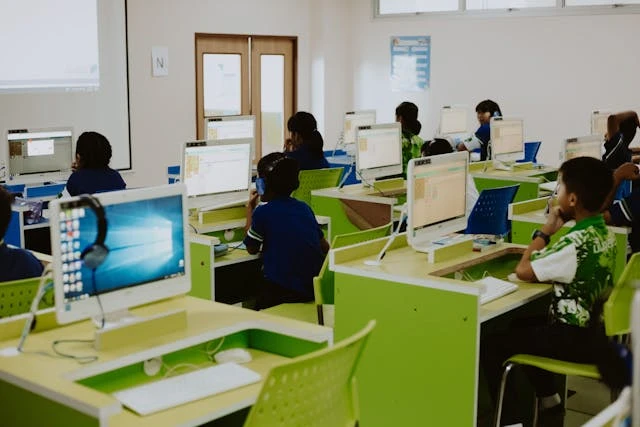
Any good monitoring plan in the classroom starts with defining clear digital citizenship standards. Teachers should be transparent with students about what is being watched and why such control exists for instructional purposes when using Chromebook monitoring software. Giving instructors access to a view of students surfing throughout class helps them to lead students back to task as needed while keeping an eye on educational results rather than punitive actions. Establishing controlled digital settings enables kids to grasp limits while also fostering critical thinking and autonomy. Frequent check-ins instead of constant monitoring help children to develop trust and accountability. To maintain a healthy equilibrium between student privacy rights and supervision, it is helpful to establish specific criteria for when and how monitoring occurs.
Teaching Digital Literacy and Critical Evaluation Skills
Giving kids good critical thinking skills helps them to securely and freely negotiate internet material, even in situations when not directly monitored. By helping students assess source reliability by means of author experience, publication reputation, and cross-referencing of data, they develop lifetime digital literacy abilities. Awareness of digital footprints helps students realize how their online behavior generates lasting records that can affect their chances in the job or school going forward. As technology develops and such material gets more sophisticated and common, it becomes ever more crucial to provide ways for spotting false information and altered media. Regular conversations regarding actual cases of digital manipulation enable students to acquire useful application skills instead of only theoretical understanding.
Collaborating with Parents and School Community
Good digital security calls for consistent methods applied in both home and educational settings via open channels. Sessions on digital safety tools and tactics for parents assist in guaranteeing reinforcement of school regulations outside the classroom. Clear documentation on classroom technology use—including how technologies assist student learning rather than only restrict activity—helps families to trust you. Regular updates on the digital citizenship curriculum and new online challenges make parents aware of the changing digital environments their children negotiate. Providing chances for community involvement in digital safety measures helps to solve several points of view and issues raised by the stakeholders.
Balancing Protection with Digital Independence
Finding the right mix of protection and autonomy calls for teachers to modify their strategies depending on student age, degree of maturity, and personal requirements. Progressive permission systems let pupils show responsibility and knowledge of online safety concepts, hence increasing their digital liberty. Teaching self-regulation techniques helps pupils keep an eye on their internet activities even under no outside control. Giving kids chances to reflect on their digital choices helps them become metacognitively aware of how they use their devices. Talking about the reasons for safety precautions instead of just enforcing rules helps children see protective actions as supporting rather than punishing.
Conclusion
Establishing secure digital learning settings means juggling suitable monitoring with chances for students to grow in digital responsibility and critical thinking. As technology develops, teachers have to change their strategy and see digital security as a constant dialog instead of set guidelines. Teachers equip students for both academic achievement and good digital citizenship by including careful policies and encouraging autonomy.













Sign in to leave a comment.