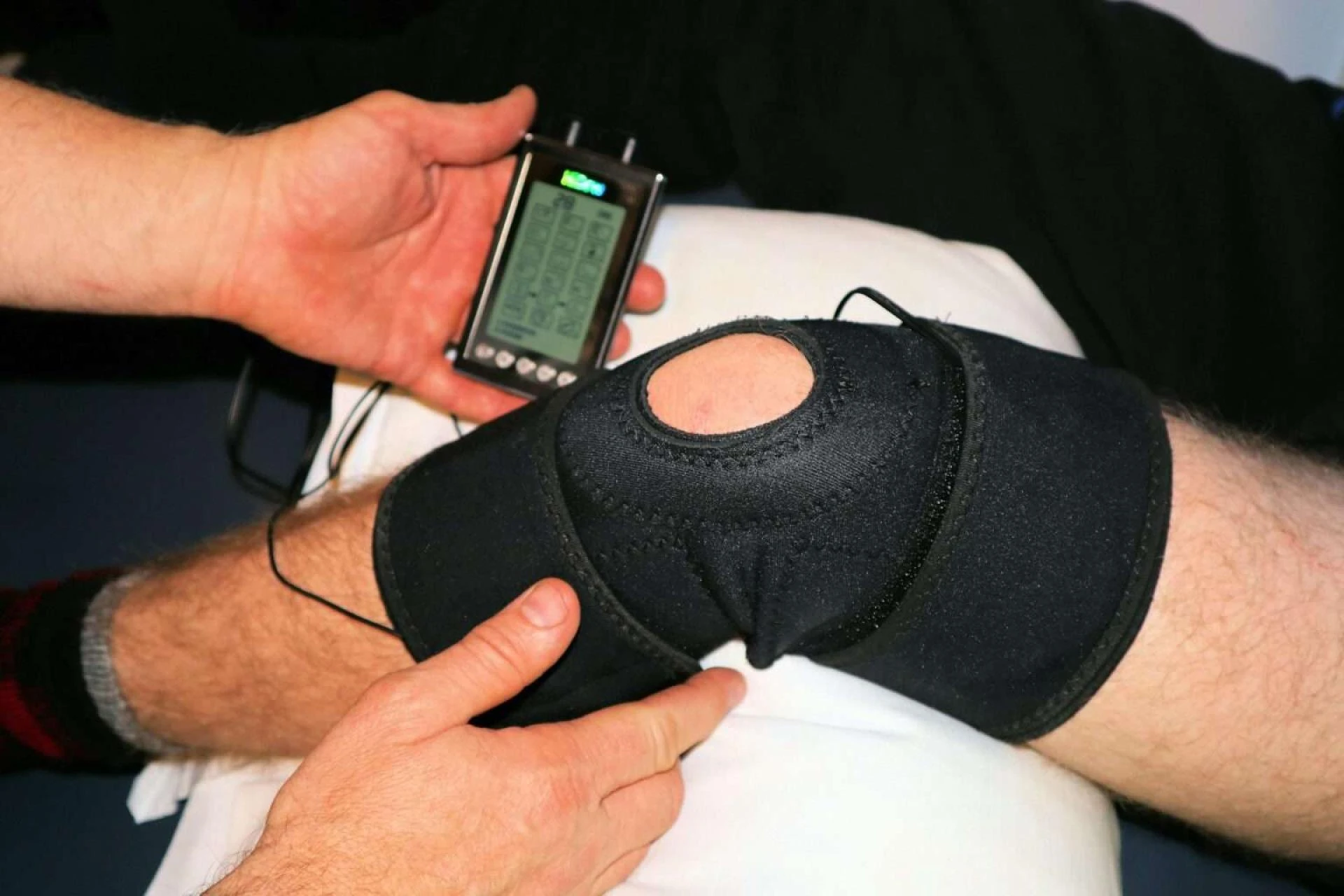

Knee injuries can be painful, frustrating, and life-altering. They may stop you from working, driving, or taking part in day-to-day activities. If your injury was caused by someone else’s negligence—whether at work, on the road, or in a public place—you may be entitled to compensation. This guide explains everything you need to know about making a knee injury compensation claim in the UK.
What is a knee injury compensation claim?
A knee injury compensation claim is a legal process where someone who has suffered a knee injury due to another party’s fault can seek financial compensation. This compensation is intended to cover medical costs, income lost due to time off work, and the pain and suffering caused by the injury.
These claims are commonly handled under a No Win No Fee agreement, meaning you only pay legal fees if your claim is successful.
Common causes of knee injuries that lead to claims
Many everyday situations can result in a knee injury. Some of the most frequent causes include:
- Road traffic accidents: Whether you're a driver, cyclist, or pedestrian, a collision can easily result in a serious knee injury.
- Workplace accidents: Employees may suffer knee injuries from falling objects, trips, or poor safety procedures.
- Slips, trips, and falls: Wet floors, uneven surfaces, or poorly maintained public spaces can cause severe falls.
- Sports injuries: Inadequate supervision, dangerous playing surfaces, or unsafe equipment often lead to knee injuries during physical activity.
- Cycling accidents: Hitting a pothole or being struck by a vehicle can cause major trauma to the knee area.
In all these cases, if someone else's negligence is to blame, you may be eligible to claim.
Types of knee injuries that may qualify
There are several knee conditions that may result in a compensation claim, including:
- Ligament tears (such as ACL or MCL injuries)
- Fractures or broken kneecap (patella)
- Torn meniscus
- Cartilage damage
- Dislocation of the knee joint
- Bursitis (also known as Housemaid’s Knee)
- Chronic knee pain following an accident
Even a minor injury can have long-term effects, so it’s important not to dismiss your condition without speaking to a legal expert.
How much compensation could you receive?
The amount of compensation you may receive depends on several factors:
- The severity of your injury
- The time taken to recover
- Whether there is permanent damage or disability
- Loss of earnings
- Medical treatment and rehabilitation costs
What evidence is needed for a knee injury claim?
Strong evidence increases your chances of success. Make sure you collect:
- Medical records confirming your diagnosis and treatment
- Photos or videos of the accident scene (if available)
- Witness statements
- Accident reports (for workplace or public injuries)
- Receipts or proof of expenses and lost income
The more documentation you have, the easier it is to prove liability and the value of your losses.
Can you claim if you were partly at fault?
Yes. In the UK, you can still claim compensation under the principle of contributory negligence. This means if you were partly responsible for the accident, your compensation may be reduced by your percentage of fault.
For example, if you were 30% at fault for a cycling accident that led to a knee injury, your final compensation will be reduced by 30%.
Do you need a solicitor for a knee injury claim?
While you are not legally required to hire a solicitor, it is highly recommended. A specialist personal injury solicitor can:
- Help prove who is at fault
- Gather expert medical evidence
- Handle all legal paperwork
- Negotiate a fair settlement
Most solicitors work on a No Win No Fee basis, making it a low-risk way to pursue your claim.
How long do you have to make a claim?
You have three years from the date of the accident or the date you became aware of your injury to begin legal proceedings. Failing to act within this time limit may make your claim invalid—so it’s best to get advice as early as possible.
Conclusion
A knee injury caused by another person's carelessness shouldn't leave you struggling physically or financially. Whether you suffered an accident at work, in a public place, or on the road, making a knee injury compensation claim can help you get the financial support and justice you deserve.
With no upfront legal costs and expert advice available, there’s no reason to delay. Reach out to a qualified solicitor today to find out how much your claim could be worth and begin your journey to recovery.















Sign in to leave a comment.