Hyperhidrosis is a medical condition characterized by excessive sweating that occurs even without heat or physical exertion. This condition can affect various body parts, including the hands, feet, underarms, and face.
Causes of Hyperhidrosis:
The exact cause of hyperhidrosis is often unknown, but it can have a genetic link, meaning it may run in families. In other cases, it may be triggered by stress, certain foods, or underlying health conditions. Living with this condition can be challenging, as it can interfere with daily activities and impact a person’s self-esteem. People with hyperhidrosis may avoid social situations due to embarrassment. Fortunately, there are multiple treatment options available, including strong prescription antiperspirants, medications, Botox injections, and even surgical procedures. It’s essential for those affected to consult a healthcare provider to determine the best treatment for their specific case.
Hyperhidrosis can significantly affect daily life, causing emotional discomfort and social withdrawal. However, several therapies are available to help manage symptoms and improve quality of life.
Types of Hyperhidrosis:
Excessive sweating can occur for various reasons. It might be hereditary or caused by health conditions such as diabetes or thyroid disorders. Emotional triggers like anxiety or stress can also lead to excessive sweating.
Hyperhidrosis is Generally Classified Into Two Types:
Primary Focal Hyperhidrosis: This type is not caused by another medical issue and commonly affects specific areas such as the hands, feet, underarms, or face. It often begins during childhood or adolescence and is likely genetic.
Secondary Generalized Hyperhidrosis: This form results from an underlying medical condition or as a side effect of medications. It typically affects larger areas of the body and may even occur during sleep.
Non-Surgical Treatments for Hyperhidrosis:
Several Non-invasive Treatments Are Available to Help Manage Excessive Sweating:
Topical Antiperspirants: Products containing aluminum chloride, such as Drysol and Xerac AC, are stronger than regular antiperspirants and are typically applied at night to dry skin. Once results are achieved, they can be used less frequently for maintenance.
Medicated Wipes: Wipes containing glycopyrronium can be used daily to reduce localized sweating. Some users may experience mild irritation or dry mouth.
Oral Medications: Anticholinergics like glycopyrrolate work by blocking the nerves that activate sweat glands. Side effects may include dry mouth, blurred vision, or difficulty urinating.
Iontophoresis: This method involves placing hands, feet, or underarms in water while a low electrical current is passed through it. It helps reduce sweating and can be done at home with proper equipment. Side effects may include tingling or skin irritation if not used correctly.
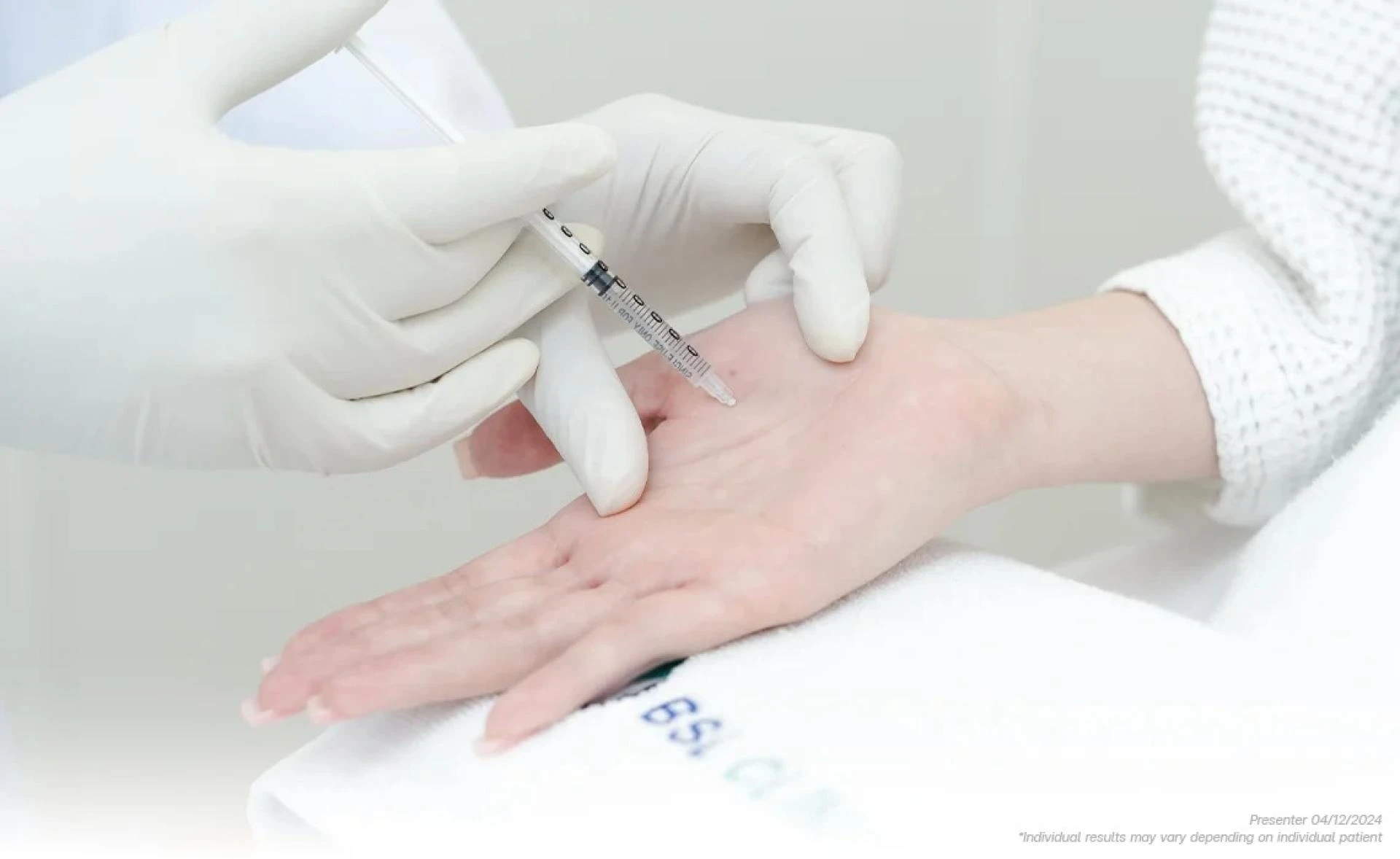
Botulinum Toxin Injections (Botox): Botox blocks the nerves that stimulate sweat glands. It's effective for areas like the underarms, face, hands, and feet. The effects typically last 3 to 10 months.
Surgical Treatments for Hyperhidrosis:
Surgical Interventions are Usually Reserved for Severe Cases Where Other Treatments Have Failed:
Endoscopic Thoracic Sympathectomy (ETS): This minimally invasive procedure involves cutting or clamping the sympathetic nerves responsible for sweating, typically in the chest area. It’s mainly used for hand and facial sweating. A potential side effect is compensatory sweating in other parts of the body.
Sweat Gland Removal: Techniques like curettage, excision, or laser therapy are used to remove sweat glands, particularly from the underarms, providing long-term relief from sweating in those areas.
Lifestyle and Home Remedies:
Some Lifestyle Adjustments and Simple Home Remedies Can Help Manage Symptoms:
Clothing Choices: Wear breathable, moisture-wicking fabrics to help reduce sweat and stay comfortable.
Hygiene Practices: Showering regularly with antibacterial soap can help minimize odor.
Dietary Changes: Reducing intake of spicy foods and caffeine may lower the amount of sweat produced
Looking for Hyperhidrosis Treatment in Delhi contact Dr. Sumit Sethi, Derma Station The Skin Clinic for Effective options like antiperspirants, iontophoresis, anticholinergics, botulinum toxin injections, and surgery can help manage and reduce excessive sweating.











Sign in to leave a comment.