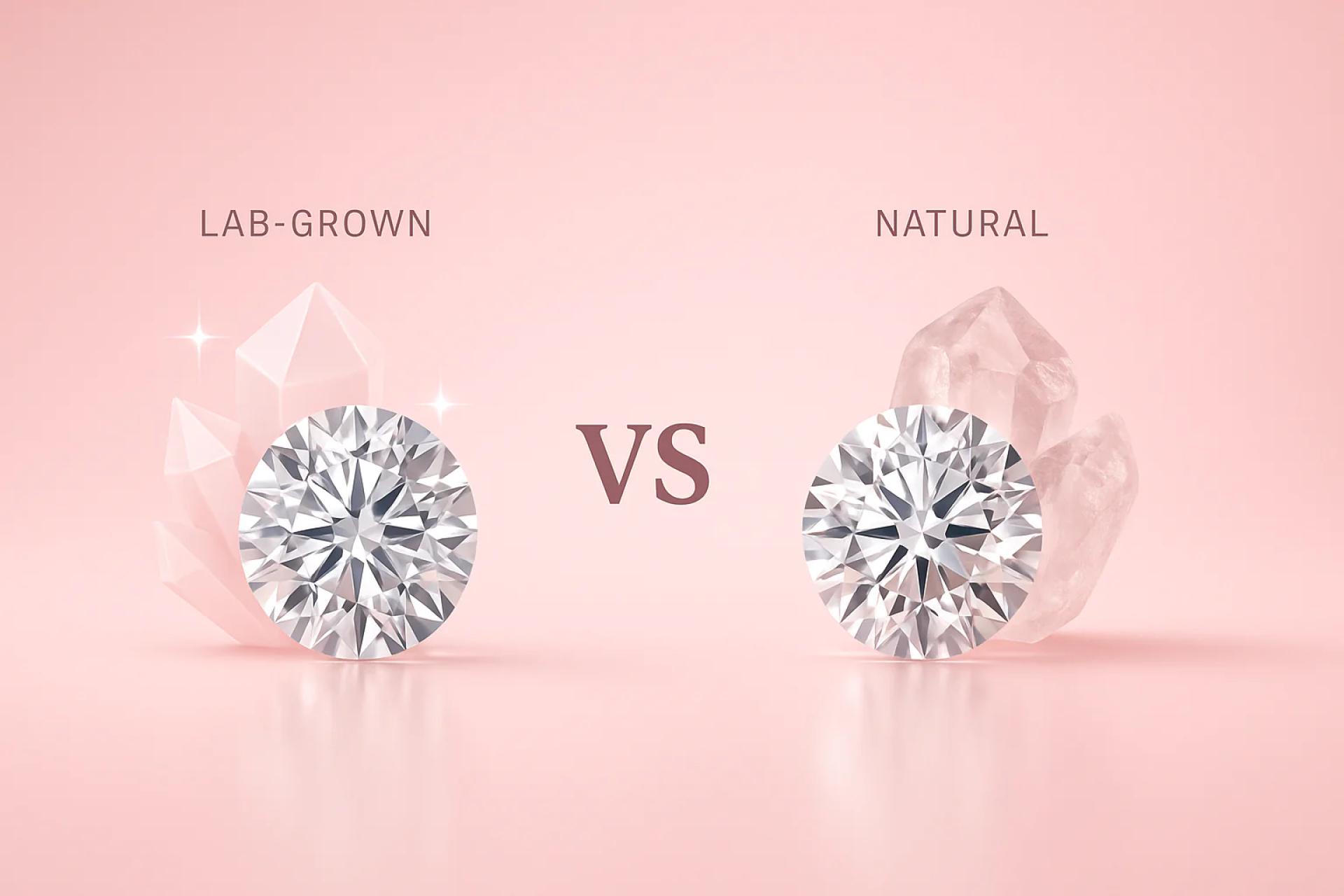

The jewelry industry has undergone a major transformation over the last decade as buyers across the United States have become more aware of ethical sourcing, sustainability, and value when purchasing fine jewelry. While natural diamonds have long been considered the traditional symbol of luxury and romance, lab grown diamonds have rapidly gained popularity as a modern alternative that offers the same brilliance and durability.
Today, many couples and jewelry buyers find themselves asking an important question: Should you choose lab grown diamond jewelry or natural diamond jewelry? Understanding the differences between these two options can help buyers make an informed decision that aligns with their personal values, style preferences, and budget.
This guide explains the key differences between lab-grown and natural diamonds, including how they are created, how they compare in appearance and price, and which option might be best for modern jewelry buyers in the United States.
Understanding Lab Grown Diamonds
Lab grown diamonds are genuine diamonds created in advanced laboratories using scientific processes that replicate the natural conditions under which diamonds form deep within the Earth. These diamonds share the same physical, chemical, and optical characteristics as natural diamonds, meaning they offer identical sparkle, hardness, and durability.
Modern buyers researching premium lab grown diamond jewelry in USA often discover that these diamonds provide the same luxury experience as mined diamonds while offering several additional benefits such as affordability and sustainability.
Lab-grown diamonds are produced using two main methods:
Chemical Vapor Deposition (CVD)
The CVD process involves placing a diamond seed in a chamber filled with carbon-rich gases. These gases are heated until carbon atoms begin attaching to the seed, gradually forming a diamond crystal.
High Pressure High Temperature (HPHT)
HPHT technology replicates the extreme pressure and temperature conditions found in the Earth’s mantle, allowing carbon to crystallize into a diamond structure.
Both methods produce diamonds that are visually indistinguishable from natural diamonds.
What Are Natural Diamonds?
Natural diamonds are formed deep within the Earth over billions of years through intense heat and pressure. These diamonds are then brought closer to the surface through volcanic activity and eventually mined from the Earth.
Because of their natural origin and rarity, natural diamonds have historically been associated with exclusivity and luxury. However, the mining process often involves significant environmental impact and higher costs.
Key Differences Between Lab Grown and Natural Diamonds
Although lab-grown and natural diamonds appear identical to the naked eye, there are several important differences buyers should consider.
Price Difference
One of the most noticeable differences between lab-grown and natural diamonds is their price. Lab-grown diamonds typically cost 30% to 40% less than natural diamonds of similar quality.
This price advantage allows buyers to choose larger carat sizes or higher clarity diamonds while staying within the same budget.
Environmental Impact
Traditional diamond mining can disrupt ecosystems and require extensive land excavation. Lab-grown diamonds are produced in controlled environments, which significantly reduces environmental impact.
For buyers who prioritize sustainability, lab-grown diamonds offer a more environmentally responsible option.
Availability and Variety
Lab-grown diamonds can be produced in various sizes and qualities, which allows jewelers to offer a wider selection of stones. This makes it easier for buyers to find diamonds that meet their specific preferences.
Natural diamonds, on the other hand, depend on geological conditions and mining availability, which can limit supply.
Comparing Moissanite as Another Alternative
While comparing lab-grown and natural diamonds, many buyers also consider other gemstone alternatives such as moissanite diamond jewellery in USA.
Moissanite is a gemstone known for its exceptional brilliance and affordability. Although it is not chemically identical to diamonds, its sparkle often exceeds that of natural diamonds, making it a popular option for buyers seeking maximum brilliance at a lower cost.
Appearance and Brilliance
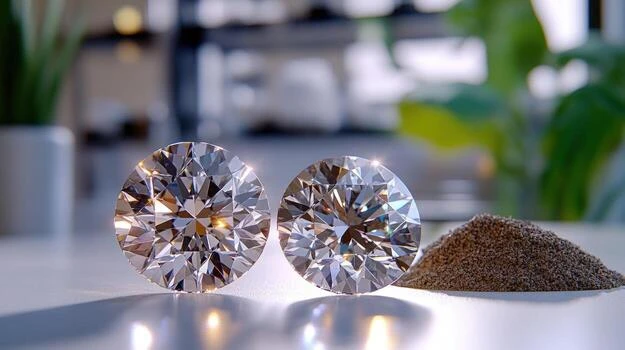
In terms of visual appearance, lab-grown diamonds and natural diamonds are essentially identical. Both types of diamonds exhibit the same sparkle, fire, and brilliance when cut properly.
Even experienced jewelers require specialized gemological equipment to distinguish between lab-grown and natural diamonds.
Moissanite, however, produces more colorful flashes of light due to its higher refractive index, which gives it a slightly different sparkle pattern.
Durability and Hardness
Diamonds are the hardest known natural material, ranking 10 on the Mohs hardness scale. Both lab-grown and natural diamonds share this exceptional hardness, making them extremely durable for everyday jewelry.
Moissanite ranks 9.25 on the Mohs scale, which also makes it suitable for daily wear and engagement rings.
Popular Jewelry Styles for Lab Grown Diamonds
Lab-grown diamonds are used in a wide variety of jewelry designs, including:
- Engagement rings
- Wedding bands
- Diamond stud earrings
- Tennis bracelets
- Diamond pendants
Because lab-grown diamonds are more affordable, buyers often choose larger stones or more elaborate designs when selecting jewelry.
Which Option Should You Choose?
The decision between lab-grown and natural diamonds ultimately depends on individual priorities.
Buyers who value tradition and rarity may prefer natural diamonds because of their geological origin and historical significance.
However, buyers who prioritize sustainability, affordability, and modern technology often prefer lab-grown diamonds.
For many modern couples in the United States, lab-grown diamonds provide the perfect balance of luxury, value, and ethical sourcing.
Final Thoughts
The choice between lab grown and natural diamonds is no longer simply about appearance, as both options offer stunning brilliance and durability. Instead, the decision often comes down to personal values, budget considerations, and lifestyle preferences.
For buyers seeking exceptional sparkle, responsible sourcing, and greater affordability, lab-grown diamonds have become one of the most compelling options in the modern jewelry market.
As awareness continues to grow, lab-grown diamonds are expected to remain one of the most influential trends shaping the future of fine jewelry.










Sign in to leave a comment.