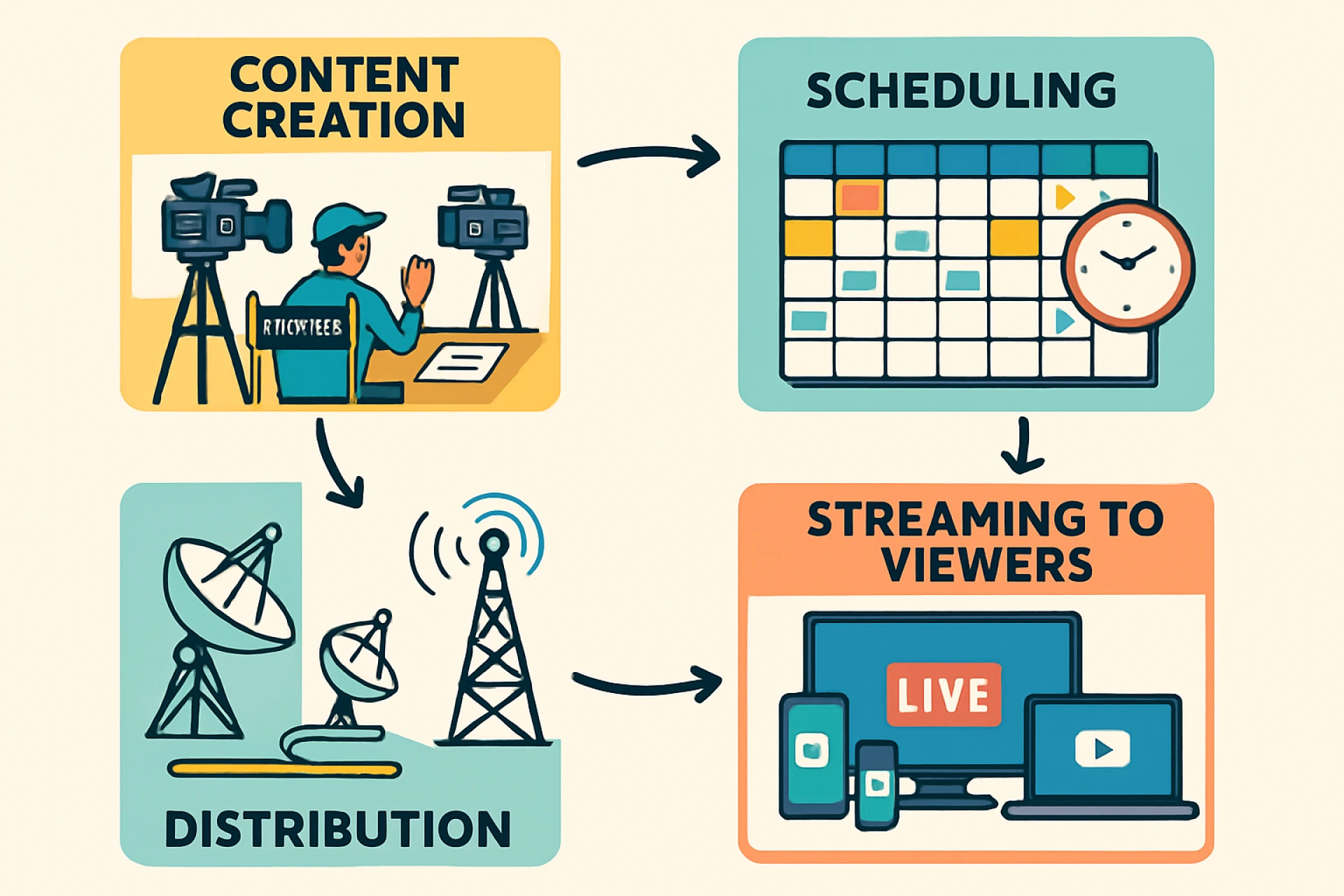

The idea of creating your own online TV network sounds exciting. With streaming now at the center of entertainment, many entrepreneurs, content creators, and businesses are exploring ways to broadcast their own shows, movies, or live events. But before rushing into the creative side, it’s crucial to understand the legal and licensing requirements involved. Ignoring them can lead to fines, lawsuits, or even having your channel shut down.
If you’ve been searching for how to start a TV network, the truth is: the journey is not just about technology and content. It’s also about making sure you follow the rules that protect both creators and audiences.
Copyright and Content Ownership
The first step in launching an online TV network is making sure the content you plan to broadcast is legally yours to use. Copyright law protects movies, music, shows, and even short clips. Streaming something without the right license—even unintentionally—can result in takedown notices or legal penalties.
There are three main approaches:
- Create original content – If you produce everything in-house, you automatically own the rights. This is the simplest way to avoid copyright issues.
- License existing content – If you want to air movies, shows, or music created by others, you’ll need to secure licensing agreements. These contracts allow you to legally broadcast the material.
- Use public domain or royalty-free content – Some works are free to use because they’re in the public domain or distributed under royalty-free licenses. However, it’s always best to double-check the terms before using them.
Music Rights
Music often causes the most confusion. Playing background music in shows, ads, or promos still requires proper clearance. In many regions, you’ll need to secure performance rights through organizations like ASCAP, BMI, or PRS. Even royalty-free tracks usually come with usage terms.
If music is a big part of your network, consider a blanket license that covers multiple tracks and saves time.
Broadcasting Licenses
Depending on where you’re based, you may need specific broadcasting licenses, even if you’re not using traditional cable or satellite. Some countries require online broadcasters to register with government agencies, while others may have lighter rules.
For example:
- In the U.S., you don’t need an FCC license for internet-only broadcasting, but you still need to comply with copyright and advertising regulations.
- In Europe, many countries treat online TV networks under the same rules as traditional broadcasters, requiring registration and compliance with content standards.
Understanding local regulations is essential before your how to start a TV network plan becomes reality.
Advertising and Monetization Rules
If you plan to run ads, you’ll need to follow advertising laws. These often cover things like:
- Restrictions on alcohol, tobacco, or gambling promotions.
- Rules around advertising to children.
- Disclosure requirements for sponsored content.
Ad platforms may also impose their own rules, so make sure your policies align with both legal standards and platform requirements.
Data Privacy and Viewer Protection
Online TV networks collect viewer data, whether it’s through subscriptions, user accounts, or ad targeting. This means you must comply with privacy regulations like GDPR in Europe or CCPA in California. Viewers expect transparency about how their data is collected and used, and failing to protect it can result in major penalties.
Contracts and Partnerships
Running a network often involves partnerships—with advertisers, distributors, or technology providers. Clear contracts protect all parties involved. They should outline responsibilities, revenue splits, content rights, and exit clauses. Skipping formal agreements is one of the biggest mistakes new broadcasters make.
Global Reach, Global Rules
One of the advantages of an online TV network is global accessibility. But this also means you may need to comply with laws in multiple regions. For example, what’s legal in one country may not be in another. Some networks use geo-blocking to limit access in regions where licensing is complicated.
Practical Steps to Stay Compliant
If you’re serious about how to start a TV network, here are some steps to stay on the safe side:
- Consult a media lawyer before launch.
- Keep detailed records of all content rights and licenses.
- Use contracts for every partnership, no matter how small.
- Review advertising and privacy policies regularly.
- Stay updated—laws around online broadcasting evolve quickly.
Final Thoughts
Starting an online TV network is more than a technical project—it’s a legal one too. From copyright clearance and music licensing to data privacy and broadcasting regulations, every step requires careful planning. The good news is that once the legal foundation is in place, you’re free to focus on building your channel, growing your audience, and exploring creative possibilities.
If you’ve been exploring how to start a TV network, don’t skip the legal groundwork. It may feel complex, but it’s the shield that protects your network and allows it to grow without interruption. Think of it this way: the stronger your legal base, the higher your network can climb.













Sign in to leave a comment.