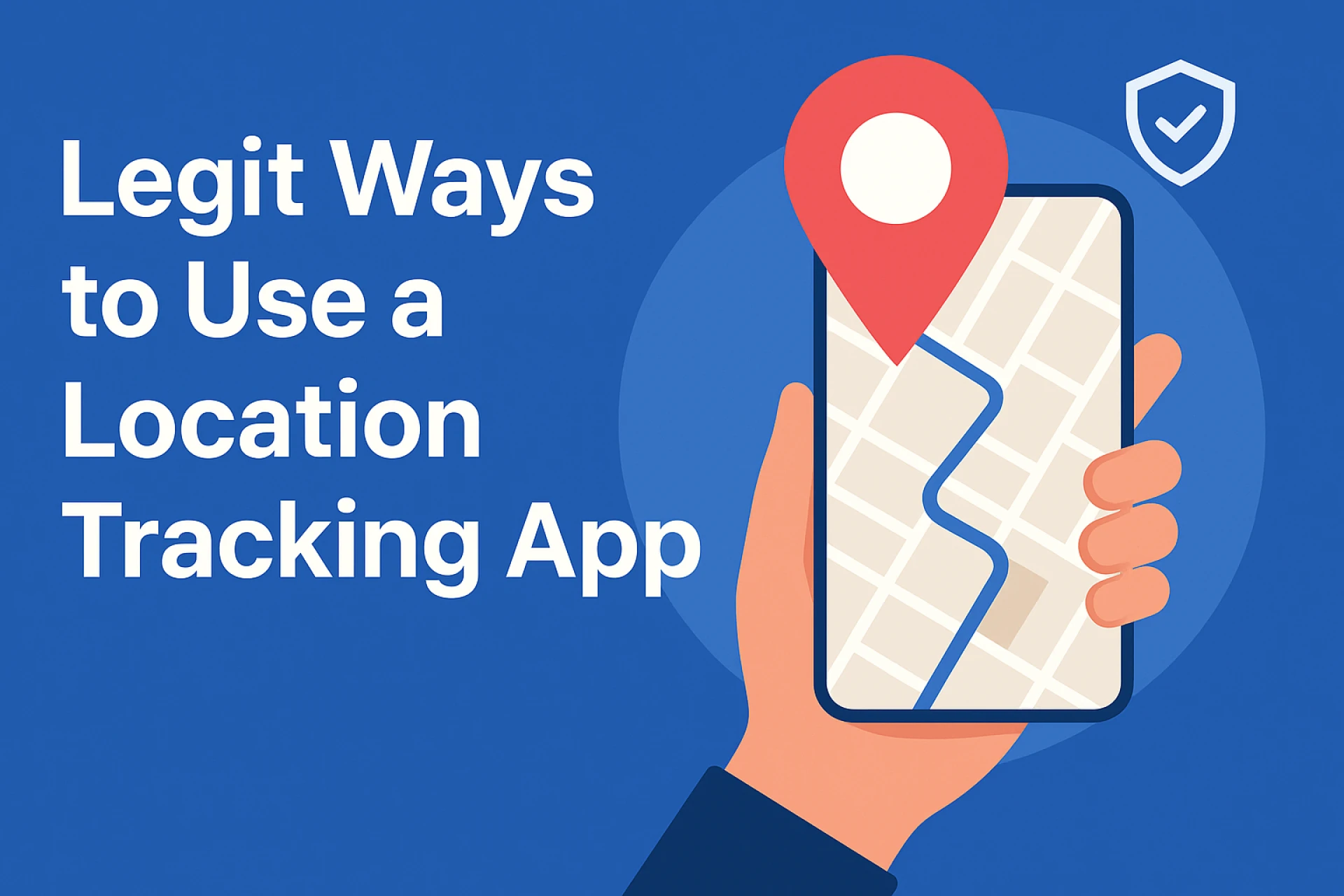

In 2025, a location tracking app can be a powerful tool for safety, coordination, and peace of mind — but only when used responsibly and with consent. This article explains legit uses of location tracking apps, what features to look for, and how to make sure you’re protecting privacy and trust.
First, define the purpose. Legitimate uses include keeping family members safe, coordinating meetups, or sharing your live location in an emergency. A good location tracking app will make these tasks simple: live sharing, geofencing (alerts when someone arrives or leaves a place), emergency SOS, and time-limited sharing so access can be turned off easily.
Choose apps that prioritize privacy. Look for end-to-end encryption, clear data retention policies, and an option to disable or limit location history. Apps that require mutual consent or send notifications when sharing starts are better for healthy relationships — because they promote transparency. Reputable platforms also let users control which devices see their location and for how long.
Legal and ethical considerations matter. Tracking someone without their knowledge can breach local privacy laws and expose you to criminal or civil penalties. In many countries, consent is central — both parties must agree to location sharing. If your use case involves minors or vulnerable adults, check local regulations and use family-focused solutions that have parental controls and audit trails.
How to introduce location sharing in a relationship: start with a conversation. Explain why you’re asking to use a location tracking app — safety, convenience, or shared responsibilities like childcare or travel. Offer to exchange locations mutually rather than only requesting access to the other person’s phone. Agree on boundaries: when sharing is okay, when it should be off, and how long sharing will last.
Practical tips for safe use: set time-limited sharing for single events, use geofences for specific needs (e.g., notify when someone reaches the airport), and check app permissions regularly. Regularly review the devices connected to your account and revoke access you no longer need. If either person feels uncomfortable, respect that and pause sharing until trust is rebuilt.
If trust issues are driving the desire to track someone, addressing the root problem is critical. Consider couples counseling or an open discussion about boundaries and expectations rather than relying on surveillance. Communication and mutual respect are the only sustainable foundations for any long-term relationship.
In short, a location tracking app can be a legitimate safety and coordination tool in 2025 — but it must be used with consent, clear boundaries, and privacy protections. When in doubt, choose transparency and legal, ethical approaches over secret monitoring.









Sign in to leave a comment.