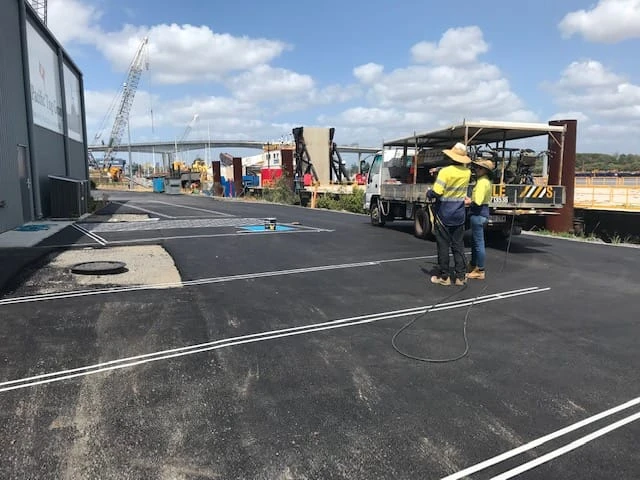
Have you ever noticed how easy it is to navigate a car park, warehouse, or sports court without ever asking for directions? That’s not by accident. It’s all thanks to line marking—a subtle but incredibly powerful tool that keeps people, vehicles, and operations moving smoothly and safely.
From industrial facilities to public streets, line marking is everywhere. It might not always get the attention it deserves, but without it, modern spaces would fall into confusion and chaos. So let’s explore what makes line marking so important, how it’s used across different industries, and why every well-managed space needs it.
What is Line Marking, and Why Does It Matter?
Line marking is the practice of applying clearly defined lines, symbols, and patterns to surfaces like roads, floors, and pavements. These markings are designed to guide movement, enhance safety, and provide structure. Whether you're in a retail car park or inside a distribution center, these visual cues help everyone understand where they’re supposed to go.
Clear line marking reduces the chances of collisions, directs traffic efficiently, and ensures that people and equipment can coexist safely in shared spaces. It's a small detail that has a massive impact on both functionality and safety.
Line Marking in Industrial and Commercial Environments
In high-traffic environments like warehouses and factories, organization is key. This is where line marking becomes a vital part of operational safety and efficiency. Clear markings distinguish pedestrian walkways from vehicle lanes, outline storage zones, and indicate emergency exits. They help keep workers safe while boosting productivity by minimizing confusion.
For businesses, proper line marking is not just a safety measure—it’s a workflow enhancer. When employees know exactly where they should be and where materials should go, operations run more smoothly. It's a simple, cost-effective way to prevent accidents, improve compliance, and maximize usable space.
Managing Movement with Line Marking in Public Areas
In public spaces, line marking is essential for maintaining order. On roads and highways, it separates lanes, directs turning traffic, and alerts drivers to pedestrian crossings. In shopping centres, airports, and schools, it ensures foot traffic flows properly and highlights important zones like drop-off points, accessible paths, and loading areas.
Without clear markings, people are left guessing—and that’s where problems start. Confusion in public settings can lead to traffic jams, pedestrian injuries, or misused spaces. Line marking creates an intuitive layout that guides everyone without the need for constant supervision or signage.
Specialist Applications and Versatile Uses of Line Marking
Line marking isn’t just about straight lines and traffic arrows. It’s a flexible system that can be customized to suit a wide variety of applications. From sports courts with intricate game boundaries to custom logos in corporate car parks, the possibilities are endless.
In environments like schools and recreational areas, line marking can encourage activity, promote organization, and even provide educational value. In logistics and transport, it enhances safety and streamlines workflow. And with innovations like reflective, anti-slip, or glow-in-the-dark paints, line marking can be tailored to perform in all kinds of conditions—indoors or outdoors.
Keeping It Fresh: The Importance of Maintenance
One thing many people overlook is that line marking doesn’t last forever. Over time, weather, traffic, and cleaning equipment can wear it down. That’s why ongoing maintenance is crucial. Faded lines reduce visibility and effectiveness, creating potential hazards in spaces that once felt safe and easy to navigate.
Consistent maintenance not only keeps your space looking sharp—it keeps people protected and your site compliant with safety regulations. Whether it’s a small touch-up or a full reapplication, maintaining your line marking system is part of responsible space management.
Line Marking and Accessibility: Making Spaces Inclusive
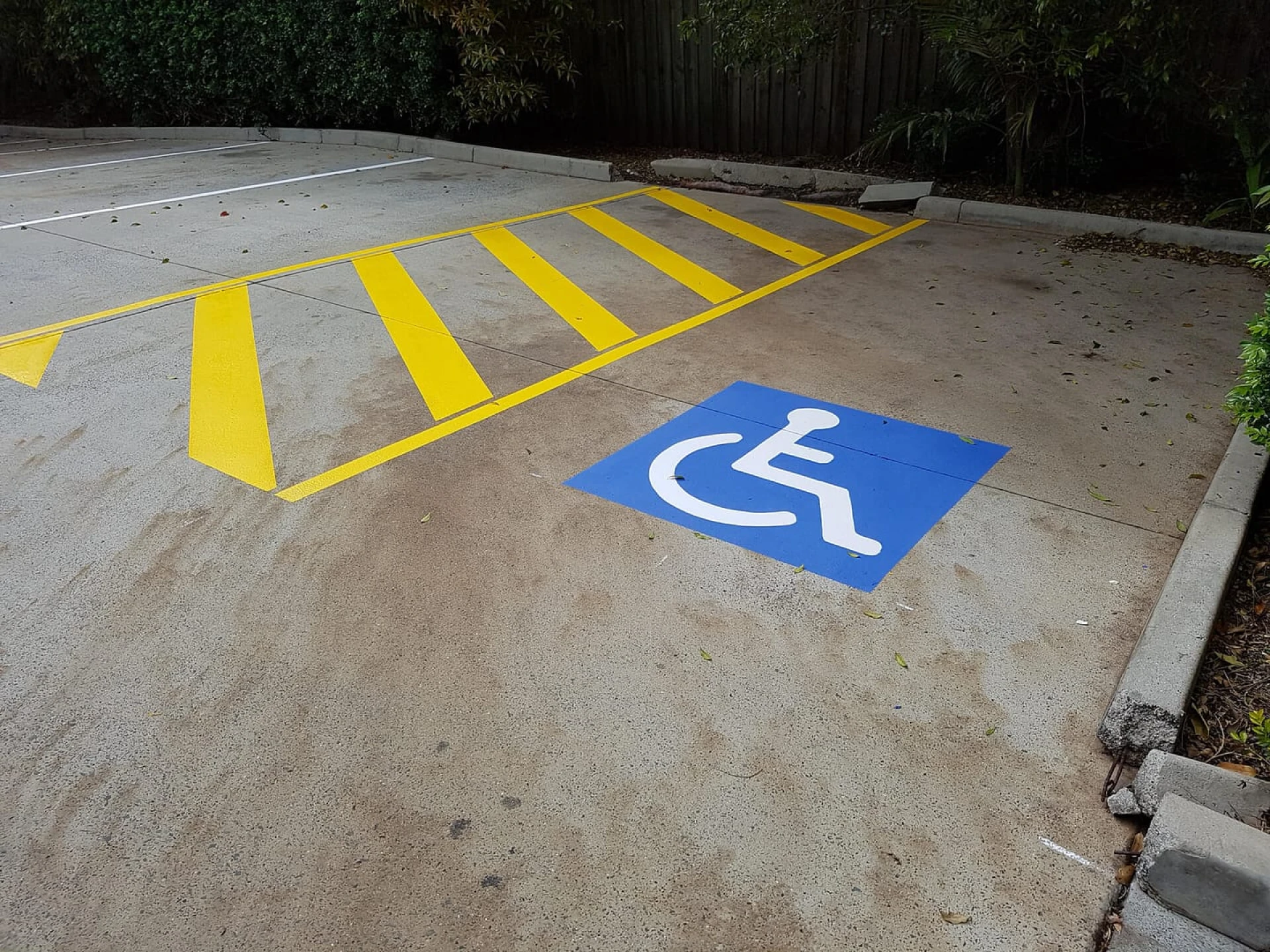
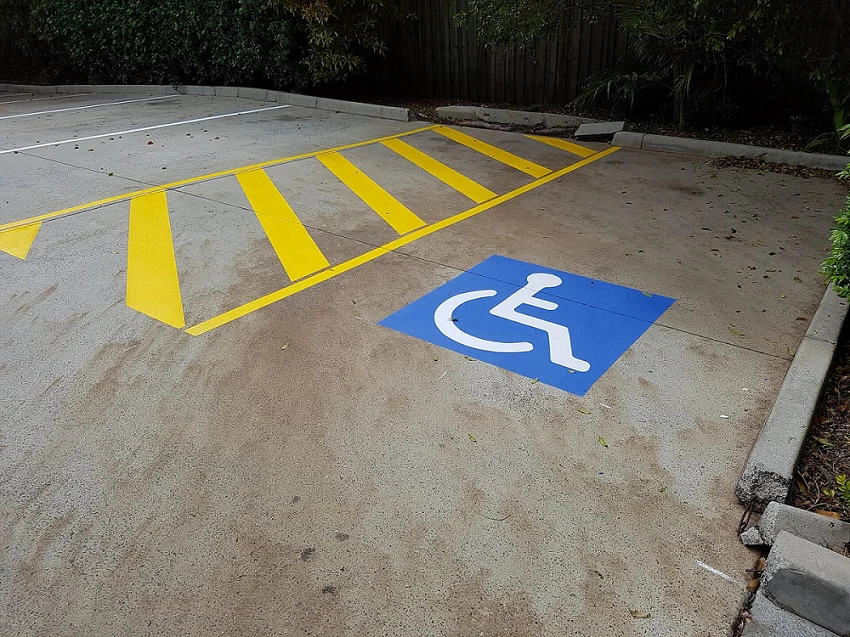
Inclusion begins before someone even walks through the door. Accessible paths, clearly marked parking bays, and designated drop-off zones are all made visible through thoughtful line marking. These markings aren’t just for aesthetics—they’re essential for meeting legal standards and supporting individuals with mobility challenges.
Good line marking ensures that every person, regardless of their physical ability, can safely and confidently access your site. It's a reflection of your commitment to inclusivity and equal access, and it’s something users notice and appreciate.
Professional Line Marking vs. DIY Jobs
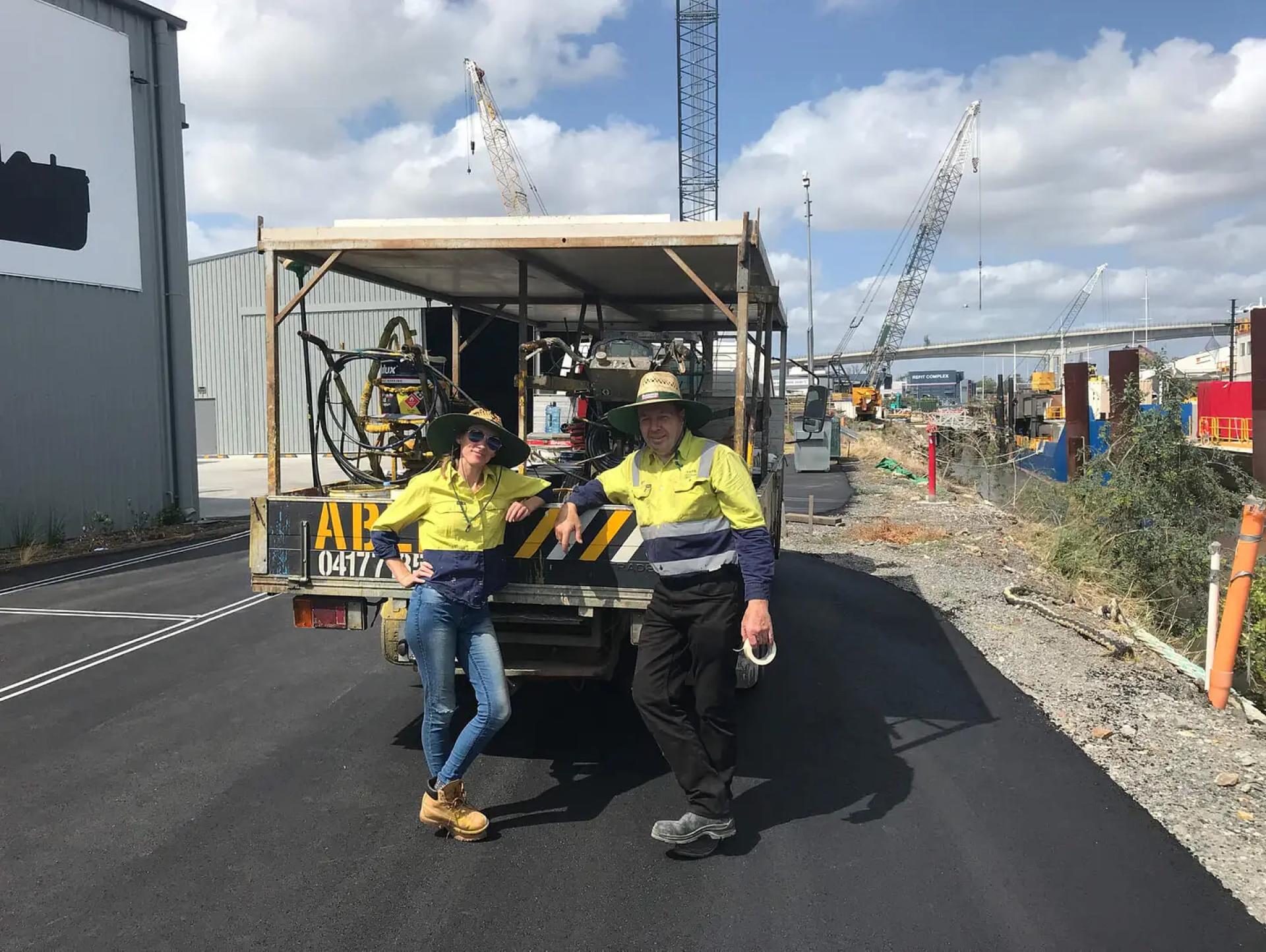
While it might be tempting to break out a can of paint and do it yourself, professional line marking services offer a level of precision and durability that DIY projects can’t match. Pros have the tools, experience, and knowledge of regulations to ensure the markings are clear, long-lasting, and compliant.
Professional line markers also understand how to prep surfaces properly, choose the right materials for the job, and apply markings under the right conditions to ensure maximum longevity. It’s not just about paint—it’s about creating a safe, functional space built to last.
Future Trends in Line Marking
As technology continues to evolve, line marking is evolving too. We’re seeing the rise of smart parking solutions, integrated traffic systems, and interactive guidance technologies that all depend on precise markings to function properly.
There's also an increasing focus on sustainability in materials—eco-friendly paints, energy-efficient application methods, and recyclable stencils are becoming more common. And with new demands like electric vehicle zones and expanded pedestrian access, line marking is playing a critical role in reshaping modern infrastructure.
Final Thoughts: Clear Lines, Better Outcomes
Line marking might not be the flashiest part of your facility or public space, but it’s certainly one of the most important. It’s the quiet, constant guide that helps people move safely, operate efficiently, and interact with their environment with confidence.
From organizing warehouses to improving pedestrian safety, line marking is about more than just lines on the ground—it’s about structure, safety, and success. When the markings are clear, the space works better for everyone.












Sign in to leave a comment.