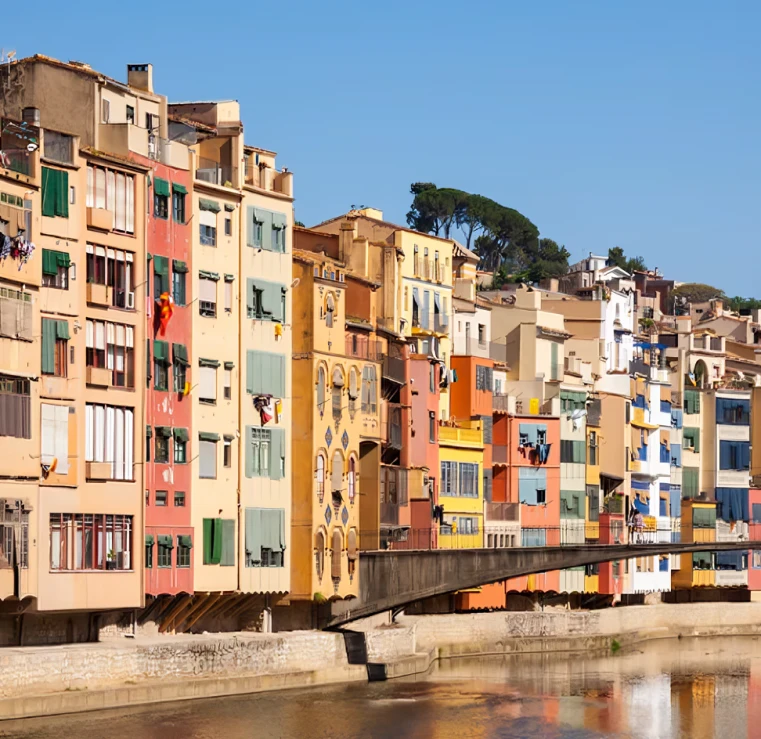

Lisbon, Portugal’s vibrant capital, is a city of winding alleys, colorful tiled facades, and sun-drenched viewpoints. What truly defines the city, however, is its diverse neighborhoods—each with its own unique charm, culture, and story. Whether you're a first-time visitor, a digital nomad, or considering a longer stay, knowing where to go is essential to truly savor Lisbon’s magic. From the historic soul of Alfama to the contemporary energy of Parque das Nações, Lisbon offers a neighborhood for every mood and moment. Let’s journey through seven of Lisbon’s most iconic districts, revealing why each one deserves a place on your travel list.
Alfama – The Soul of Old Lisbon
Alfama is the oldest and perhaps the most character-rich neighborhood in Lisbon. Wandering through its steep cobbled streets feels like stepping into a medieval postcard, complete with tiled houses, wrought iron balconies, and hidden courtyards. The district rises dramatically from the banks of the Tagus River to the grand São Jorge Castle, offering some of the best panoramic views of the city. As you stroll past centuries-old churches and stairways, you’ll often hear the mournful tones of fado, Lisbon’s traditional music, echoing through the narrow alleyways. Alfama is where the soul of Lisbon lives—raw, poetic, and undeniably authentic.
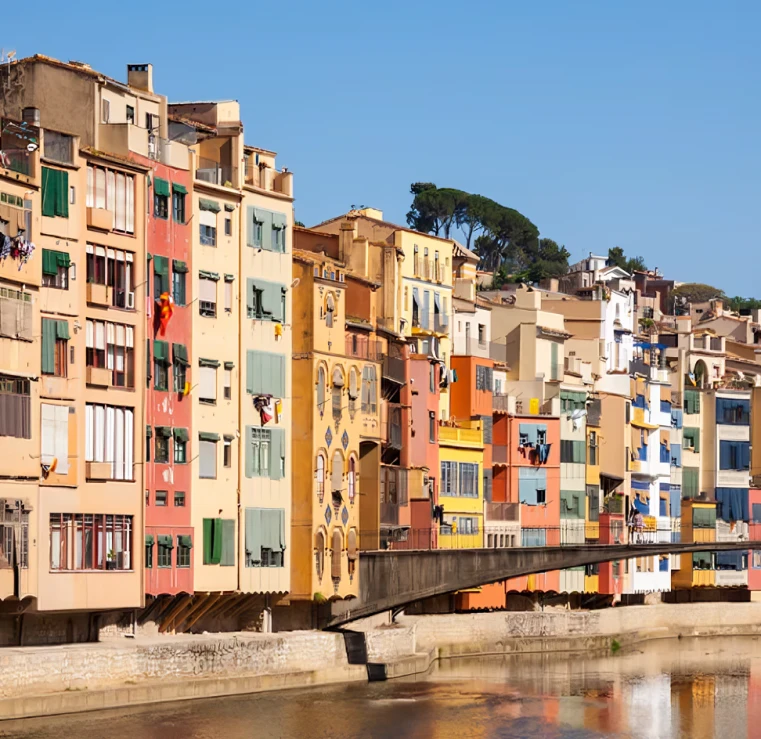
By night, Alfama transforms into a moody, romantic quarter filled with fado houses, small taverns, and cozy wine bars. The neighborhood invites you to slow down—savoring a glass of Ginja (cherry liqueur), striking up a conversation with a local, or getting lost in music that tells the story of Portugal’s seafaring past. Though it attracts many tourists, Alfama still retains a deeply local vibe. Here, laundry hangs above ancient stone steps, and neighbors greet each other like family. It's a living tapestry of Lisbon’s layered history—a place where old and new mingle effortlessly.
Bairro Alto – Nightlife and Bohemian Flair
Bairro Alto, perched on one of Lisbon’s seven hills, is the city’s buzzing nightlife hub. By day, its graffiti-covered walls, boutique shops, and artisan cafes paint a picture of bohemian charm. But by night, Bairro Alto comes alive with a kaleidoscope of music, laughter, and clinking glasses. Locals and tourists spill onto the narrow streets, hopping between traditional taverns and contemporary cocktail bars. There’s a place for every taste—from soulful fado to cutting-edge electronic beats. It's loud, lively, and unapologetically fun—a neighborhood that celebrates Lisbon’s love for life.
Despite its party reputation, Bairro Alto also has a quieter, more artistic side. It's home to creative studios, record shops, and some of the best independent bookstores in Lisbon. During the day, this neighborhood feels like a sleepy village with charming squares, leafy balconies, and coffee-drinking locals. As one of the best places to experience Lisbon’s countercultural edge, Bairro Alto effortlessly blends the traditional with the contemporary. Whether you’re dancing until sunrise or browsing vinyl in a dusty corner shop, the neighborhood promises energy and inspiration in equal measure. See Also
Chiado – Elegant and Cultural
Just a short walk downhill from Bairro Alto lies Chiado, Lisbon’s most elegant and refined neighborhood. This historic area has long been a gathering place for intellectuals, poets, and artists. It's where the great Fernando Pessoa penned verses and where cafés like A Brasileira once hosted Portugal’s brightest minds. Today, Chiado remains a hub of culture and sophistication. Wide boulevards, designer boutiques, grand theaters, and neoclassical architecture give the area a Parisian feel. The ambiance is timeless—polished but never pretentious.
Chiado is also a cultural powerhouse. The neighborhood is home to the National Museum of Contemporary Art and the grand Teatro Nacional de São Carlos, Portugal’s primary opera house. Its mix of museums, galleries, and performance venues make it a go-to for those with artistic leanings. But Chiado isn’t just about the arts; it's also a fantastic place to shop, dine, and people-watch. Sit at a street café with a pastel de nata and watch Lisbon pass by, elegant and unhurried. In Chiado, you’ll find a sophisticated version of the city, where history, style, and culture intertwine gracefully.
Belém – Maritime Majesty and Monumental Beauty
If Lisbon had a royal district, Belém would be it. Located along the riverfront west of the city center, Belém is steeped in Portugal’s maritime history. This was the launching point for the great Age of Discoveries, when explorers like Vasco da Gama set sail to the unknown. Today, the district is filled with majestic monuments, such as the Jerónimos Monastery, Belém Tower, and the Monument to the Discoveries. Each structure tells a story of ambition, exploration, and national pride. Visiting Belém is like opening a gilded chapter of Portugal’s past.
But Belém is not just about grand facades and history books. It’s also a delightful spot to relax and indulge. The district has beautiful riverside promenades, large green spaces like the Jardim de Belém, and the famous Pastéis de Belém bakery, known for making the original pastel de nata. Art lovers will find treasures in the Berardo Collection Museum, while foodies can enjoy modern Portuguese cuisine in stylish waterfront restaurants. Belém offers a spacious, majestic experience of Lisbon—perfect for a scenic stroll through Portugal’s golden era.
Príncipe Real – Chic, Green, and Gay-Friendly
Once a sleepy residential area, Príncipe Real has blossomed into one of Lisbon’s trendiest and most desirable neighborhoods. Known for its lush gardens, elegant mansions, and LGBTQ+ friendly vibe, Príncipe Real exudes a calm yet cosmopolitan charm. It’s a neighborhood of contrasts—where 19th-century architecture meets organic markets and artisanal shops. Every Saturday, the park at Jardim do Príncipe Real hosts a farmer's market, drawing locals and visitors alike to its shaded paths. It’s one of the greenest spots in central Lisbon, ideal for lazy afternoons with a book or a gelato.
Beyond the tranquility, Príncipe Real also pulses with fashionable energy. It’s home to concept stores, stylish rooftop bars, and some of Lisbon’s most acclaimed restaurants. The LGBTQ+ scene here is vibrant and welcoming, centered around lively bars and inclusive venues. The neighborhood’s creative flair is also visible in its design studios and galleries, making it a magnet for artists and entrepreneurs. Whether you're sipping cocktails with panoramic views or browsing antique furniture in a historic mansion, Príncipe Real delivers a polished, progressive slice of Lisbon.
Baixa – Lisbon’s Beating Heart
Baixa, meaning “downtown,” is the historic and commercial center of Lisbon. Rebuilt after the devastating 1755 earthquake, the area is laid out in a symmetrical grid that reflects Enlightenment ideals of order and progress. It’s where Lisbon feels most grand—with wide avenues, ornate squares like Praça do Comércio, and stately Pombaline architecture. As you stroll through Baixa, you'll pass bustling cafés, souvenir shops, and street performers bringing energy to the city’s stately boulevards. For many visitors, Baixa is the first real taste of Lisbon’s rhythm—fast-paced, historic, and endlessly walkable.
Baixa connects many of Lisbon’s major sights and neighborhoods, making it a hub of activity both day and night. Elevador de Santa Justa offers spectacular views, while Rua Augusta is ideal for shopping and people-watching. Despite its commercial bustle, Baixa retains an old-world elegance. Tram 28 rumbles past historic façades, while the aroma of grilled sardines and roasting chestnuts fills the air. Whether you're on your way to Alfama, Chiado, or the waterfront, Baixa is the place where all paths converge—busy, bright, and unmistakably central.
Parque das Nações – Modern Lisbon Unveiled
For a glimpse of Lisbon’s future, head to Parque das Nações, the city’s most modern neighborhood. Developed for Expo 98, this riverfront district offers a sharp contrast to the historic quarters of Lisbon. Here, sleek glass buildings, public art installations, and innovative architecture create an urban environment that’s both cutting-edge and community-friendly. The area is home to the famous Oceanário de Lisboa (one of the best aquariums in Europe), the striking Gare do Oriente train station, and the scenic cable car ride with breathtaking views over the Tagus River. It’s Lisbon, reimagined for the 21st century.
Parque das Nações is also a favorite among families, joggers, and cyclists, thanks to its wide open spaces, waterfront walkways, and kid-friendly attractions. It has a distinctly livable feel, with parks, modern apartments, shopping malls, and excellent transport links. Restaurants here range from trendy brunch spots to fine dining with river views. While it lacks the historic soul of Alfama or the nightlife of Bairro Alto, Parque das Nações offers something equally valuable—a clean, accessible, and forward-looking experience of Lisbon. It’s the perfect place to see how Lisbon honors its past while building for the future.
Conclusion: A City of Many Souls
Lisbon is a city woven from many threads—each neighborhood offering a different rhythm, flavor, and perspective. Alfama whispers of ancient traditions through its winding alleys and mournful fado. Bairro Alto dances late into the night with youthful energy and rebellious spirit. Chiado invites you to slow down and savor the arts, while Belém reminds you of Portugal’s proud past with its monumental beauty. In Príncipe Real, modern creativity meets old-world charm, Baixa brings the pulse of the capital to life, and Parque das Nações offers a clean slate—a peek into what Lisbon aspires to be tomorrow. Together, these districts form a vibrant mosaic of experiences that speak to every kind of traveler.
Exploring Lisbon’s neighborhoods isn’t just about sightseeing—it’s about feeling the city’s heartbeat. It's in the aroma of freshly baked pastéis de nata, the sound of a tram squealing down a hill, or a quiet moment at a miradouro with sweeping views of red rooftops and the Tagus River. Whether you're wandering through ancient quarters or sipping wine in a rooftop bar, Lisbon invites you to live slowly and notice the beauty in the details. This is a city where past and present coexist, where tradition breathes alongside innovation. To truly understand Lisbon is to explore its neighborhoods—each one a soulful chapter in a story that never stops unfolding.











Sign in to leave a comment.