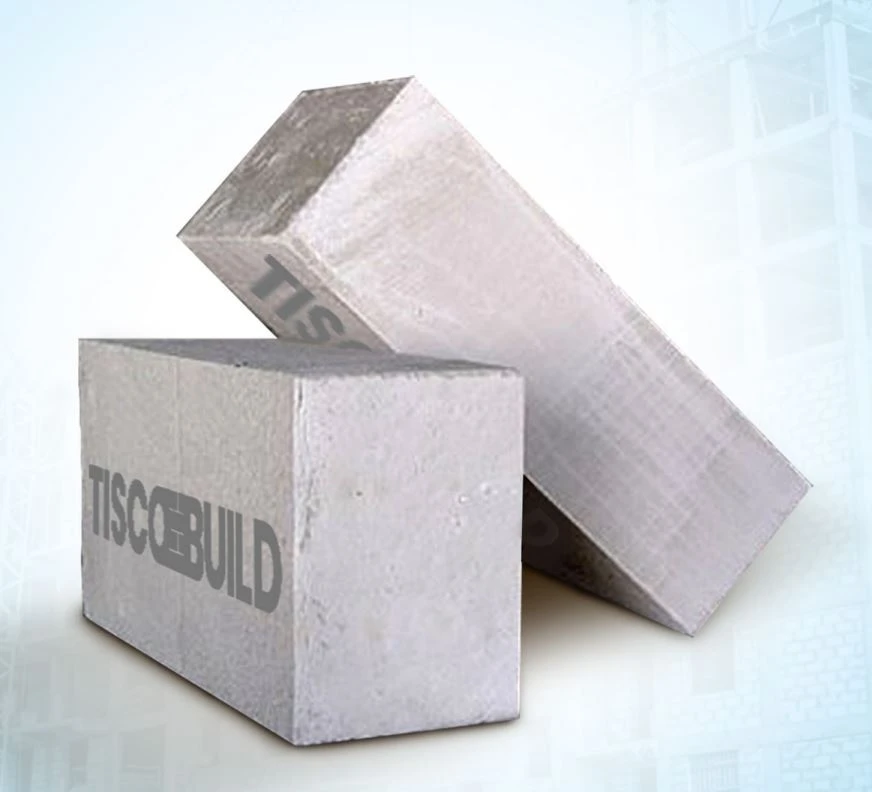

House Building Blocks
Load-bearing capacity tells you how much weight a block can carry. Builders test this strength before they use any material. The test shows how the block reacts under pressure. Engineers measure the force in megapascals. One megapascal equals one million newtons per square meter. That number may sound complex, yet the idea stays simple. Stronger blocks hold more weight without cracking. When you plan a home, strength matters from day one. Walls support roofs, slabs, and upper floors. Weak blocks may lead to cracks or failure. Strong blocks keep the structure safe for decades.
How Modern Blocks Carry Heavy Loads
Modern blocks use better mixes and better curing methods. Manufacturers control cement, sand, and aggregate ratios with care. They add water in precise amounts. They cure blocks under moist conditions. Proper curing builds internal strength over time. Concrete blocks often reach strengths between 3.5 and 15 MPa. High-density blocks can exceed that range. Autoclaved aerated concrete blocks offer lighter weight. These blocks still carry good structural loads. Each block spreads weight across its full surface. Mortar joints help transfer that load evenly. Steel reinforcement may add extra support in key areas. Engineers design each wall to share the stress safely.
Why Density and Design Matter
Density affects how a block handles pressure. Dense blocks resist compression with greater ease. Lightweight blocks reduce overall building load. Lower building weight reduces stress on the foundation. Block shape also plays a role. Hollow cores reduce material use and weight. Those cores can hold steel bars and concrete fill.
Comparing Blocks for Home Construction
Clay bricks still serve many projects. Yet modern concrete blocks often offer higher strength. They also provide a uniform size and shape. Uniform blocks improve wall alignment and stability. AAC blocks weigh less than the traditional bricks. This lower weight reduces dead load on slabs. However, builders must match block type to design needs. Engineers calculate loads before they choose materials. For multi-storey homes, higher compressive strength helps. For single-storey homes, moderate strength often works well. Proper planning ensures the right balance of cost and safety.
The Role of House Building Blocks in Long-Term Durability
Quality house building blocks do more than hold weight. They resist moisture and weather damage. They limit cracks when temperature changes occur. They protect steel from early corrosion. Strong blocks reduce repair costs over time. They keep walls straight and stable. They support doors, windows, and fixtures firmly. They also improve sound and heat control. When builders choose certified house building blocks, they reduce risk. They create homes that stand firm for years. They give families peace of mind.
Conclusion
Load-bearing capacity forms the backbone of safe construction. Every wall depends on that hidden strength. Modern blocks combine science, testing, and smart design. They carry heavy loads without drama. If you plan a new home, ask about compressive strength. Check the test data before you buy. Choose materials that match your structural plan. Strong blocks today prevent costly problems tomorrow.












Sign in to leave a comment.