

Mumbai is one of India’s busiest relocation hubs. Every day, thousands of people shift homes within the city or move to other parts of the country for work, education, or lifestyle changes. While booking relocation services, many customers encounter two categories offered by moving companies — local shifting and intercity shifting.
Although both services fall under packers and movers solutions, they differ significantly in planning, pricing, logistics, timelines, and execution methods. Understanding these differences helps customers choose the right service, avoid unexpected costs, and plan relocation more efficiently.
Let’s explore how local and intercity packers and movers in Mumbai differ and which option suits your moving needs.

Understanding Local and Intercity Moving Services
Professional movers design relocation services based on distance and operational complexity.
- Local shifting refers to moves within the same city or nearby areas, typically completed within a single day.
- Intercity shifting involves transporting goods from Mumbai to another city or state, requiring long-distance logistics planning.
Because the challenges involved are entirely different, movers use separate pricing models, packing methods, and transportation strategies.
1. Distance and Logistics Planning
Local Shifting
Local moves usually cover short distances within Mumbai, such as shifting from Andheri to Powai or Navi Mumbai to Thane. Planning mainly focuses on traffic timing, building access, and quick loading-unloading.
Intercity Shifting
Intercity relocations involve route optimization, fuel planning, transit permits, and multi-day transportation schedules. Movers must consider highways, toll routes, and delivery coordination across states.
Key Difference:
Local moving is execution-focused, while intercity moving is logistics-focused.
2. Packing Techniques and Material Usage
Local Moving
Since goods travel shorter distances, standard packing materials are generally sufficient. Items are packed for handling safety rather than long-term transit protection.
Intercity Moving
Long-distance transportation exposes goods to vibration, weather changes, and multiple handling points. Movers use stronger cartons, bubble wrapping, foam sheets, and protective layering.
Key Difference:
Intercity shifting requires higher-grade packing for extended transit safety.
3. Transportation Methods
Local Packers and Movers
- Mini trucks or small tempo vehicles
- Same-day delivery
- Direct transportation without route consolidation
Intercity Packers and Movers
- Large container trucks or shared carriers
- Route-based scheduling
- Sometimes shared transportation to optimize costs
Key Difference:
Local transport focuses on speed, while intercity transport prioritizes efficiency and load management.
4. Delivery Timelines
Local shifting is usually completed within a few hours to one day depending on distance and traffic conditions.
Intercity shifting may take several days due to long-distance travel, route scheduling, and unloading coordination at the destination.
Key Difference:
Local moves offer immediate delivery, whereas intercity moves follow scheduled transit timelines.
5. Cost Structure and Pricing Factors
Local Moving Costs Depend On:
- Home size
- Labor requirements
- Floor level and lift availability
- Distance within city limits
- Packing materials
Intercity Moving Costs Depend On:
- Total distance between cities
- Shipment volume or weight
- Fuel expenses
- Toll and interstate permits
- Insurance coverage
- Carrier type (shared or dedicated)
Key Difference:
Intercity shifting involves more operational variables, making pricing comparatively higher.
6. Insurance and Risk Coverage
Local shifting typically involves minimal transit risk because travel duration is short. Basic coverage may be optional.
Intercity moves carry higher risk due to longer travel distances. Professional movers usually recommend transit insurance to protect against accidental damage or loss.
Key Difference:
Insurance becomes more important in intercity relocations.
7. Manpower and Coordination Requirements
Local relocations require teams focused mainly on packing and loading efficiency.
Intercity shifting involves coordination between origin and destination teams, warehouse handling (if required), and delivery scheduling.
Key Difference:
Intercity moves require multi-stage coordination compared to single-stage local moves.
8. Documentation and Compliance
Local moves generally require minimal documentation.
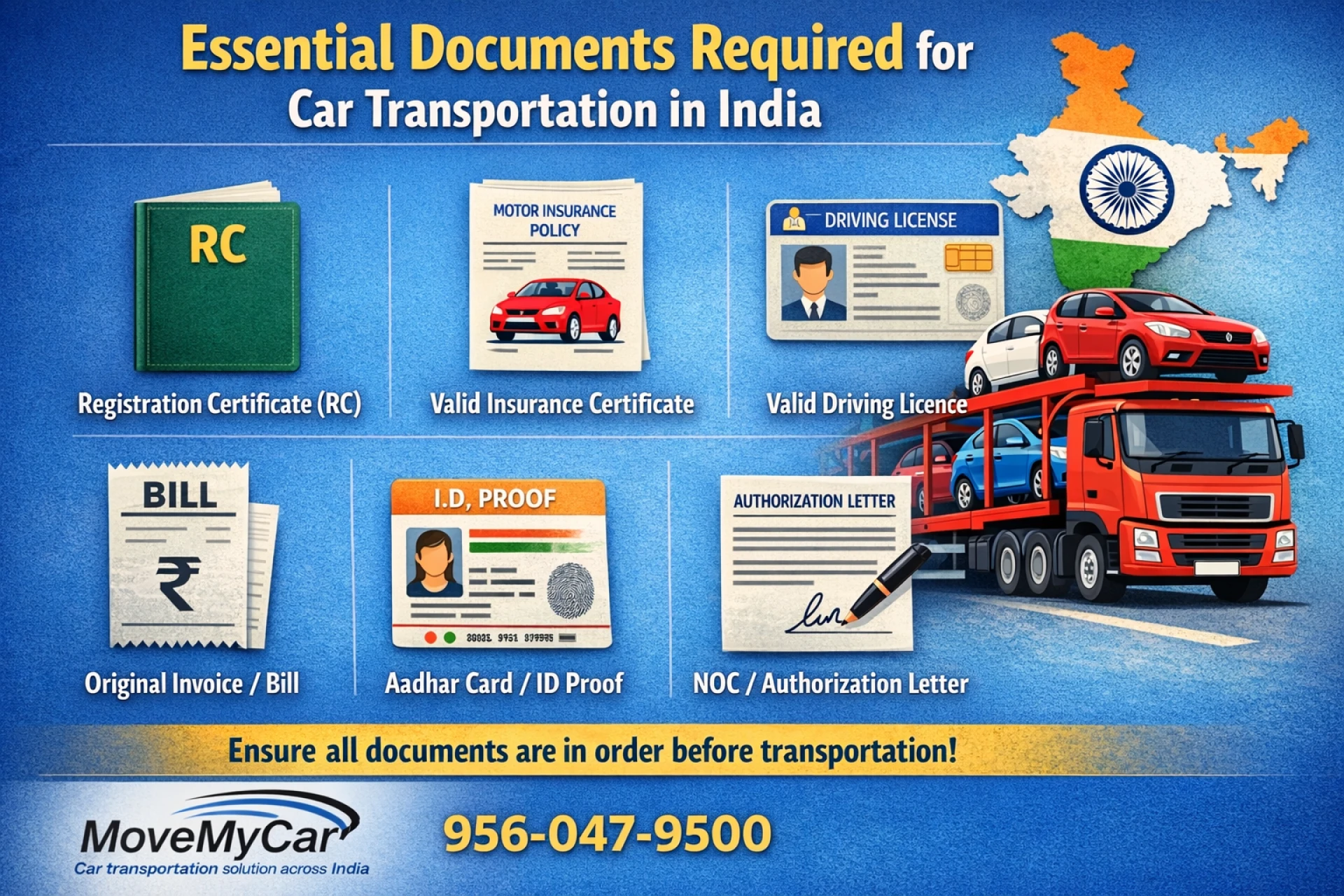
Intercity transportation may involve:
- Interstate permits
- ID verification
- Address documentation
- Vehicle entry regulations in some cities
Key Difference:
Intercity relocation includes regulatory compliance not required for local moves.
Quick Comparison Table
| Factor | Local Packers & Movers | Intercity Packers & Movers |
| Distance | Within Mumbai | Between cities/states |
| Delivery Time | Same day | 2–10 days |
| Packing Level | Standard | High protection |
| Transportation | Small vehicles | Container/shared trucks |
| Cost | Lower | Higher |
| Insurance Need | Optional | Recommended |
| Planning Complexity | Low | High |
Which Option Should You Choose?
Choose local packers and movers if:
- You are shifting within Mumbai.
- You need same-day relocation.
- Budget-friendly moving is a priority.
Choose intercity packers and movers if:
- You are relocating to another city.
- Goods require long-distance protection.
- Delivery planning and safety matter more than speed.
Conclusion
Local and intercity Packers and Movers in Navi Mumbai serve different relocation needs, even though both provide similar core services. Local shifting emphasizes speed and convenience, whereas intercity relocation focuses on safety, coordination, and long-distance logistics management.












Sign in to leave a comment.