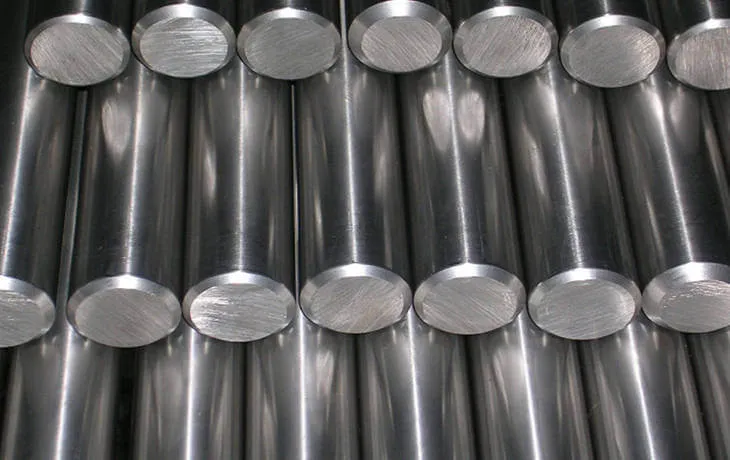

At MyT Machining, we take pride in delivering high-precision machining services for advanced alloys used in aerospace, defense, energy, and medical industries. One of the most challenging and rewarding materials we work with is machining Inconel 718—a superalloy known for its extraordinary strength, heat resistance, and corrosion resilience. This article explores the intricacies of working with Inconel 718 and why it's essential for critical applications that demand durability, stability, and precision.
What Is Inconel 718?
Inconel 718 is a high-strength, corrosion-resistant nickel-chromium alloy that performs exceptionally well at elevated temperatures. It is precipitation-hardened, which allows it to maintain structural integrity in extreme environments—up to 1300°F (704°C). It’s commonly used in:
- Jet engine components
- Turbine blades
- Nuclear reactor parts
- Oil and gas drilling equipment
- Aerospace structural components
Its strength, stability, and heat resistance make it an ideal choice for demanding environments, but those same properties also make it notoriously difficult to machine.
Why Is Machining Inconel 718 So Challenging?
1. Work Hardening Tendency
Inconel 718 has a tendency to harden rapidly during cutting. Each pass of the cutting tool can increase the material’s hardness, leading to tool wear, deflection, and possible part deformation.
2. High Heat Retention
Due to its low thermal conductivity, Inconel 718 retains a significant amount of heat at the cutting zone. This localized heat buildup can damage tooling and negatively impact dimensional accuracy.
3. Tool Wear
Even high-performance carbide tools wear quickly when machining Inconel 718. Frequent tool changes are often necessary without advanced strategies and optimized settings.
4. Low Machinability Index
Inconel 718 has a machinability rating of around 18% compared to free-machining steel. This means lower material removal rates and higher machining costs.
Why Machine Inconel 718 Despite the Difficulty?
Despite the challenges, the benefits of using Inconel 718 for critical components far outweigh its machining difficulty. It offers:
- Exceptional creep and fatigue resistance
- Corrosion resistance in harsh chemical and marine environments
- Long-term mechanical stability under extreme stress
- Compatibility with high-performance, high-temperature applications
These advantages make Inconel 718 an irreplaceable material in industries where failure is not an option.
CNC Machining Solutions for Inconel 718
At MyT Machining, we use high-performance CNC systems to produce precision components from Inconel 718. Our approach integrates engineering expertise, advanced CAM programming, and careful tool selection to meet client expectations.
Multi-Axis Machining
Using 4- and 5-axis CNC machining allows us to complete complex geometries in fewer setups, minimizing work hardening and maintaining dimensional integrity.
Toolpath Optimization
Using adaptive toolpaths, we reduce cutting force, distribute heat evenly, and extend tool life. Our CAM software simulates the entire machining process to preemptively correct potential errors.
Real-Time Monitoring
We monitor temperature, tool wear, and vibration during machining runs. This helps us make quick adjustments, reducing scrap and improving turnaround time.
Best Practices for Machining Inconel 718
1. Tooling Material and Geometry
Use high-performance carbide tools with advanced coatings like AlTiN or TiAlN. These coatings resist high temperatures and reduce tool wear.
- Insert Tools: Useful for roughing and long cuts
- End Mills with Variable Flutes: Prevent chatter and manage chip load
- Indexable Tools: Lower cost for high-wear operations
2. Cutting Speeds and Feeds
Reduce spindle speeds (20–40 m/min) and use moderate to high feed rates to maintain chip thickness and minimize work hardening. Aim for a constant chip load.
3. High-Pressure Coolant
Coolant is critical when machining Inconel 718. High-pressure delivery systems help evacuate chips, lower the temperature at the tool tip, and reduce built-up edge (BUE).
4. Climb Milling
Whenever possible, use climb milling. It ensures smoother surface finishes and less heat generation.
5. Short Tool Overhangs
Tool rigidity is crucial. Use short, stable setups to reduce chatter and tool deflection.
Common Applications of Machined Inconel 718 Components
Aerospace
Inconel 718 is widely used in aircraft engines, fuel systems, and exhaust structures due to its resistance to thermal fatigue and corrosion.
Energy and Nuclear
Inconel 718 performs well in nuclear reactor components and high-pressure environments where temperature stability is required.
Oil and Gas
Components such as downhole tools, valves, and drilling hardware are often made from Inconel 718 for their corrosion resistance and pressure strength.
Automotive and Racing
Although less common, high-end motorsport vehicles use Inconel 718 for heat shields, turbocharger parts, and high-temp fasteners.
Surface Finishing and Post-Processing
After machining, parts made from Inconel 718 may undergo finishing operations to improve performance or meet application-specific requirements:
- Grinding: Achieves tight tolerances and high surface finishes
- EDM (Electrical Discharge Machining): Ideal for intricate features that are difficult to mill
- Heat Treatment: Can improve hardness or tensile strength based on intended use
- Passivation: Enhances corrosion resistance by removing surface contaminants
How MyT Machining Delivers Excellence in Inconel 718 Projects
Experience and Expertise
Our machinists understand the specific demands of machining Inconel 718 and are trained in methods that minimize tool wear while maximizing part accuracy.
Modern CNC Equipment
We invest in 5-axis machines with rigid setups, thermal compensation, and live process monitoring to handle difficult alloys like Inconel 718 with confidence.
Tight Tolerances
We consistently meet tolerances within ±0.001” and even tighter for aerospace and medical components, ensuring parts meet functional and regulatory standards.
End-to-End Project Management
From material selection and CAD modeling to finishing and inspection, our team provides complete support throughout your production cycle.
Design Considerations for Machining Inconel 718 Parts
To reduce complexity and cost, consider these guidelines:
- Limit Deep Cavities and Thin Walls: These are difficult to machine and generate heat
- Standardize Hole Sizes: Allows for fewer tool changes and faster machining
- Allow Tolerance Flexibility: Avoid ultra-tight tolerances where not functionally necessary
- Plan for Chip Evacuation: Incorporate open geometries and allow room for coolant flow
Collaborating with the MyT Machining team early in the design phase can help you save time and money while improving manufacturability.
Conclusion
Machining Inconel 718 is not for the inexperienced—it demands precision, advanced tooling, and in-depth material knowledge. However, its performance in demanding applications makes the challenge worthwhile. With the right expertise and process control, it’s possible to create long-lasting, high-integrity components that outperform conventional materials.
At MyT Machining, we offer tailored machining solutions for Inconel 718 that combine technology, skill, and a commitment to quality. Whether you need complex aerospace components or high-durability oilfield tools, our team ensures your project is completed to exact specifications—on time and on budget.










Sign in to leave a comment.