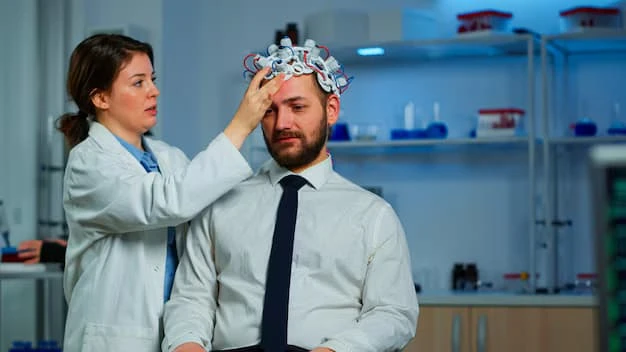

In recent years, the field of mental health treatment has seen a remarkable evolution, with innovative therapies emerging to address the complex nature of mental health disorders. One such groundbreaking approach is Magnetic Depression Therapy, particularly gaining traction in Albany. As mental health issues continue to rise globally, patients and healthcare professionals alike are exploring this novel treatment option that offers new hope for those suffering from debilitating depression.
Understanding Magnetic Depression Therapy
Magnetic Depression Therapy, often referred to as Transcranial Magnetic Stimulation (TMS), is a non-invasive procedure that utilizes magnetic fields to stimulate nerve cells in the brain. This therapy is primarily aimed at alleviating symptoms of major depressive disorder, especially in individuals who have not found relief through traditional medications or psychotherapy. The procedure involves placing a magnetic coil over the patient's scalp, which delivers short pulses of magnetic energy to specific areas of the brain associated with mood regulation.
The effectiveness of TMS lies in its ability to precisely target the brain regions responsible for depression. Research indicates that repetitive magnetic pulses can enhance neuroplasticity, the brain's ability to adapt and reorganize itself, which is often impaired in individuals suffering from depression. By stimulating these areas, Magnetic Depression Therapy in Albany has shown promising results, helping many regain control over their mental health and improve their quality of life.
The Science Behind TMS
To fully appreciate the potential of Magnetic Depression Therapy, it is essential to understand the underlying science. The brain operates through intricate networks of neurons that communicate via electrical signals. In individuals with depression, these neural circuits may become disrupted, leading to persistent feelings of sadness and hopelessness. Traditional antidepressants often aim to balance neurotransmitters, but they can come with side effects and may not work for everyone.
TMS, on the other hand, offers a different approach. By directly stimulating the brain's electrical activity, TMS can activate regions that are underactive in individuals with depression. Studies have shown that TMS can lead to significant improvements in depressive symptoms, with many patients reporting a reduction in the severity of their condition after just a few sessions. Furthermore, the treatment is typically well-tolerated, with minimal side effects compared to conventional medication.
Who Can Benefit from Magnetic Depression Therapy?
One of the most compelling aspects of Magnetic Depression Therapy is its broad applicability. It is particularly beneficial for individuals who have not responded to standard treatments, such as medication or therapy. For those experiencing treatment-resistant depression, TMS can provide a much-needed alternative. Additionally, it is suitable for individuals who prefer to avoid the side effects associated with antidepressants or those concerned about the long-term use of these medications.
Beyond treatment-resistant cases, Magnetic Depression Therapy in Albany can also be effective for a variety of mood disorders, including anxiety disorders and post-traumatic stress disorder (PTSD). The versatility of TMS makes it an appealing option for a diverse range of patients, contributing to the growing interest in this innovative treatment modality.
The Treatment Process
Understanding what to expect from Magnetic Depression Therapy can alleviate concerns for prospective patients. The treatment typically begins with a comprehensive evaluation by a mental health professional who will assess the patient's medical history and symptoms. Once it is determined that TMS is an appropriate option, the treatment plan is established.
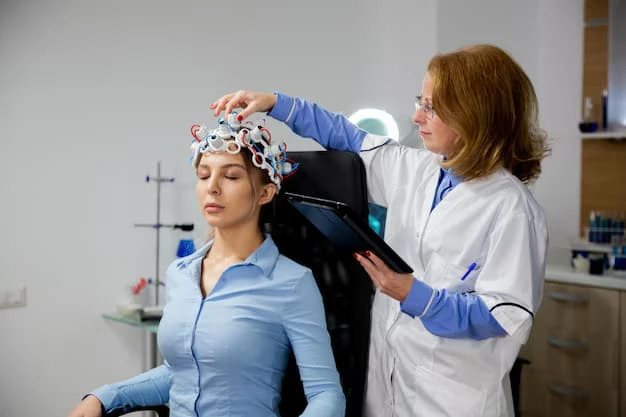
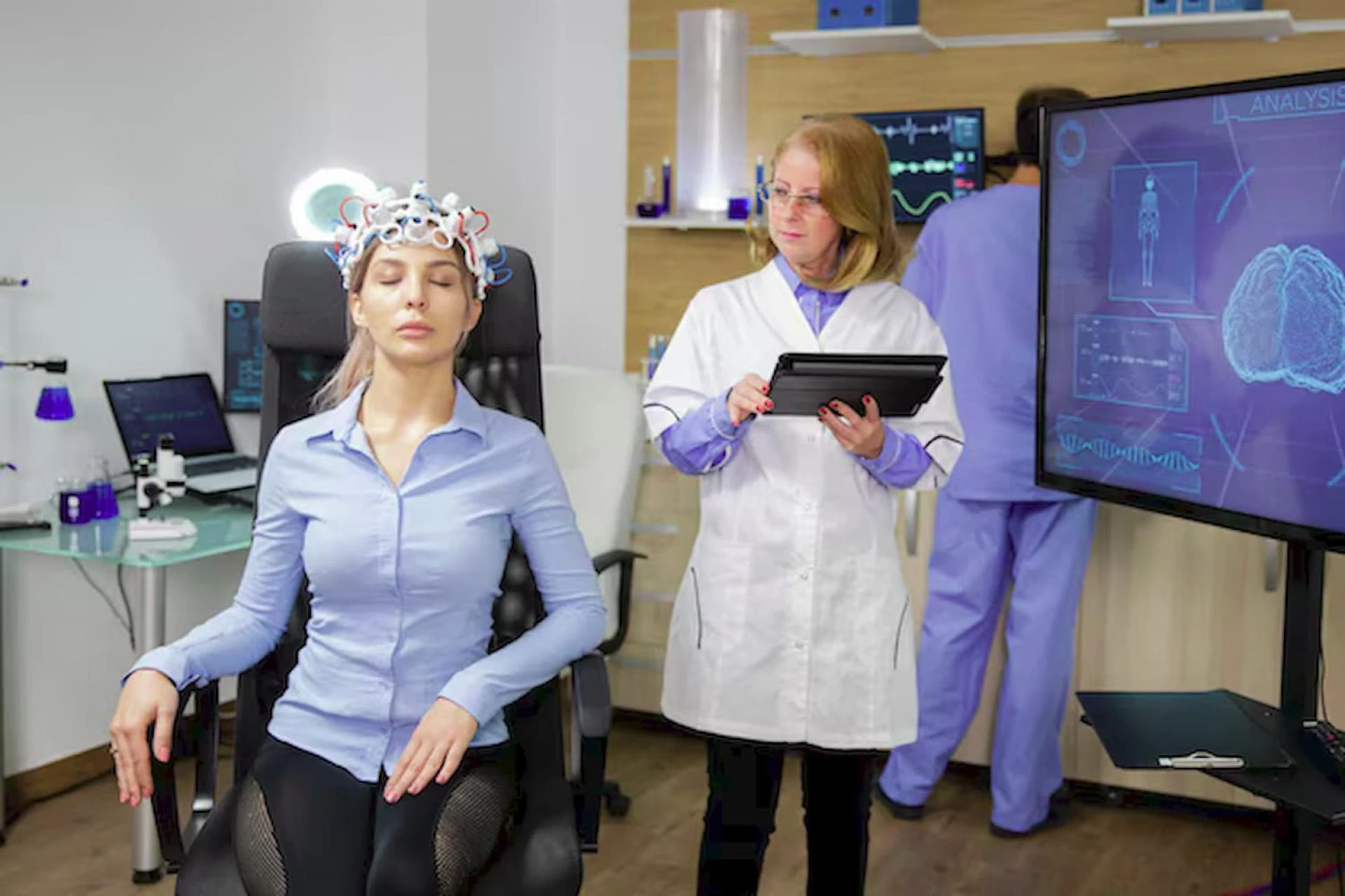
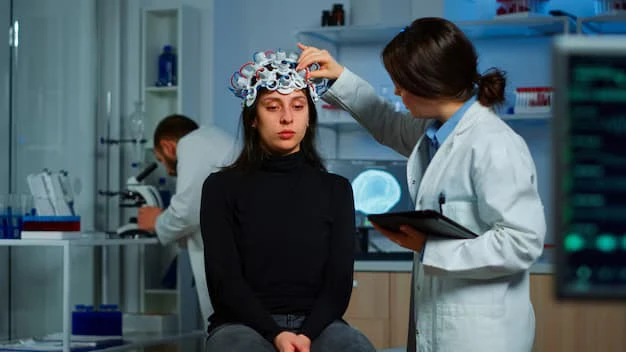
Sessions are usually conducted in a clinic setting, lasting about 20 to 40 minutes each. Patients remain awake and alert during the procedure, allowing for a comfortable experience. The magnetic coil is positioned on the patient's head, and the practitioner will adjust the settings to deliver the optimal magnetic pulses. Most patients undergo TMS treatment five times a week for several weeks, with many reporting improvements within a few sessions.
Importantly, TMS is non-invasive and does not require anesthesia, making it a convenient option for those with busy schedules. Patients can often resume their daily activities immediately after treatment, with many describing the experience as relaxing and even enjoyable.
The Efficacy of TMS: Evidence and Research
Numerous studies underscore the efficacy of Magnetic Depression Therapy in treating depression. Clinical trials have shown that TMS can lead to significant reductions in depressive symptoms, with some studies reporting that nearly 60% of patients experience a substantial response to treatment. Moreover, the long-term effects of TMS are promising, with many individuals maintaining their improvements for months or even years following therapy.
A meta-analysis published in reputable medical journals has concluded that TMS is a safe and effective treatment for major depressive disorder. These findings have fostered a growing acceptance of TMS among mental health professionals, leading to increased availability in various regions, including Albany.
Addressing Common Concerns and Misconceptions
Despite its proven benefits, there are still misconceptions surrounding Magnetic Depression Therapy. One common concern is the safety of the procedure. Patients may worry about potential side effects or the risk of seizures. However, studies indicate that TMS is well-tolerated, with the most common side effects being mild headaches or discomfort at the treatment site. Serious adverse effects are rare, making TMS a safe alternative for many patients.
Another misconception is that TMS is a one-size-fits-all solution. While it has shown great promise, it is essential to recognize that individual responses may vary. Some patients may require additional sessions or a combination of treatments to achieve optimal results. Therefore, a personalized treatment plan is critical to maximizing the benefits of Magnetic Depression Therapy.
A New Hope for Mental Health in Albany
As Albany witnesses a growing prevalence of mental health issues, the introduction of Magnetic Depression Therapy represents a significant advancement in the quest for effective treatment options. Patients who have struggled with the debilitating effects of depression now have access to a cutting-edge therapy that offers renewed hope. The success stories emerging from the local community speak volumes about the transformative power of TMS, allowing individuals to reclaim their lives and pursue their passions.
In conclusion, as we continue to explore innovative treatments for mental health disorders, Magnetic Depression Therapy stands out as a beacon of hope for those suffering from depression. The evidence supporting its efficacy, combined with its non-invasive nature, positions TMS as a valuable option in the mental health toolbox. For individuals in Albany seeking to break free from the chains of depression, reaching out for help and exploring Magnetic Depression Therapy can be the first step toward a brighter future.
If you or someone you know is struggling with depression, consider taking action today. Pinnacle Behavioral Health is dedicated to providing compassionate care and innovative treatments like Magnetic Depression Therapy. Contact us to learn more about how we can help you on your journey to mental wellness. Your path to recovery starts here.











Sign in to leave a comment.