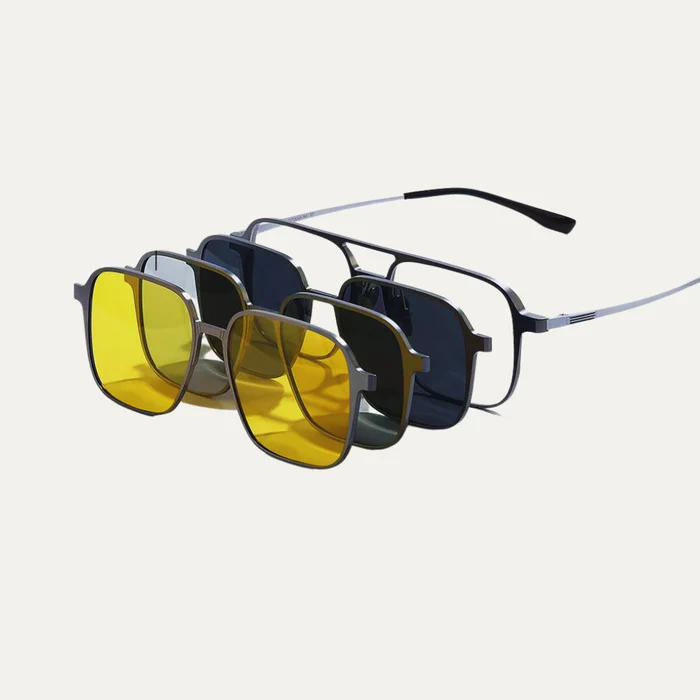

Magnetic glasses are gaining popularity as a flexible eyewear solution for people who move between indoor and outdoor environments. These glasses use clip-on lenses that attach with small magnets, allowing users to change lenses quickly without switching frames. While many people enjoy the convenience, magnetic glasses also come with common problems and widespread myths that can create confusion.
This article explains the most common problems users face, clears up popular myths, and shares what real users typically say about their experience. The goal is to help you decide if magnetic glasses are right for your daily needs.
What Are Magnetic Glasses?
Magnetic glasses are eyeglass frames designed with built-in magnets that allow clip-on lenses to attach securely. The lenses can be added or removed in seconds, making these glasses practical for people who experience changing light conditions throughout the day.
They are often used by:
- Prescription glasses wearers
- Drivers and commuters
- Outdoor walkers
- People sensitive to bright light
Instead of carrying multiple pairs of glasses, users rely on one flexible frame.
Common Problems With Magnetic Glasses
Like any product, magnetic glasses have some limitations. Understanding these common problems helps you set realistic expectations.
1. Clip-On Alignment Issues
Some users report that clip-on lenses do not align perfectly with the frame.
Common reasons include:
- Weak magnets in low-quality frames
- Improper placement of clip-ons
- Frames that do not fit the face well
This can slightly affect comfort and visual clarity.
2. Lenses May Shift During Movement
During fast movement or physical activity, clip-on lenses can shift slightly.
This may happen when:
- Frames are loose
- Magnets are not strong enough
- The user is walking quickly or bending frequently
Magnetic glasses are better suited for everyday use rather than sports or intense activity.
3. Slight Increase in Frame Weight
Adding clip-on lenses increases the overall weight of the glasses.
Some users notice:
- Extra pressure on the nose
- Mild discomfort after long wear
- Heavier feel compared to regular frames
Choosing lightweight frames can reduce this issue.
4. Fit Can Vary by Face Shape
Not all frames fit every face shape the same way.
Fit-related issues may include:
- Slipping frames
- Pressure on the temples
- Uneven lens positioning
Trying frames or checking size guides can help prevent discomfort.
Common Myths About Magnetic Glasses
There are several myths about magnetic glasses that create unrealistic expectations. Let’s clear them up.
Myth 1: Magnetic Glasses Improve Vision
Magnetic glasses do not improve eyesight on their own.
Reality:
They do not replace prescription lenses or correct vision problems. Their main purpose is convenience and light management.
Myth 2: Magnets Have Healing Effects
Some people believe the magnets provide health or therapeutic benefits.
Reality:
There is no scientific evidence that magnets in eyewear offer healing or medical effects.
Myth 3: Magnetic Glasses Are Unsafe
A common concern is that magnets might be harmful.
Reality:
The small magnets used in eyewear are safe for everyday use and do not pose health risks when used properly.
Myth 4: Magnetic Glasses Are Only for Outdoor Use
Many people think magnetic glasses are only useful in bright sunlight.
Reality:
They are also helpful for driving, commuting, and everyday outdoor activities where light conditions change.
What Real Users Commonly Say
User reviews provide practical insight into how magnetic glasses perform in daily life.
Positive Feedback
Many users appreciate:
- Quick lens attachment and removal
- Not needing to carry extra sunglasses
- Convenience during daily commuting
- Comfortable use in bright conditions
Some users specifically mention the flexibility of magnewear adjustable sunglasses as helpful for everyday routines.
Mixed Feedback
Some users report:
- Minor alignment issues
- Slight lens movement during activity
- Needing time to get used to the clip-on system
These concerns often depend on frame quality and fit.
Negative Experiences
A small number of users mention:
- Weak magnet strength in cheaper frames
- Discomfort from added weight
- Fit problems with certain face shapes
Users who prefer adjustable shade sunglasses often recommend checking frame size and magnet strength before buying.
Who Should Consider Magnetic Glasses?
Magnetic glasses are a good choice for people who value convenience and flexibility.
They are suitable for:
- Office workers who move between indoor and outdoor spaces
- Drivers who experience glare
- Travelers and commuters
- Prescription glasses wearers
People who play high-impact sports may prefer more secure eyewear options.
Tips to Avoid Common Problems
To improve your experience with magnetic glasses, consider these tips:
- Choose lightweight frames
- Check magnet strength before regular use
- Ensure proper frame fit
- Store clip-ons in a protective case
- Avoid using during intense physical activity
These steps can help prevent common comfort and alignment issues.
Final Thoughts
Magnetic glasses offer a practical and flexible eyewear solution for everyday life. While they have some common problems, many issues can be minimized by choosing quality frames and ensuring a proper fit. Understanding the myths and learning from real user experiences helps you set realistic expectations.
If you want eyewear that adapts to changing light conditions without carrying multiple pairs, magnetic glasses can be a smart option. Many users who try options like magnewear adjustable sunglasses and adjustable shade sunglasses find them convenient for daily routines when comfort and flexibility matter most.










Sign in to leave a comment.