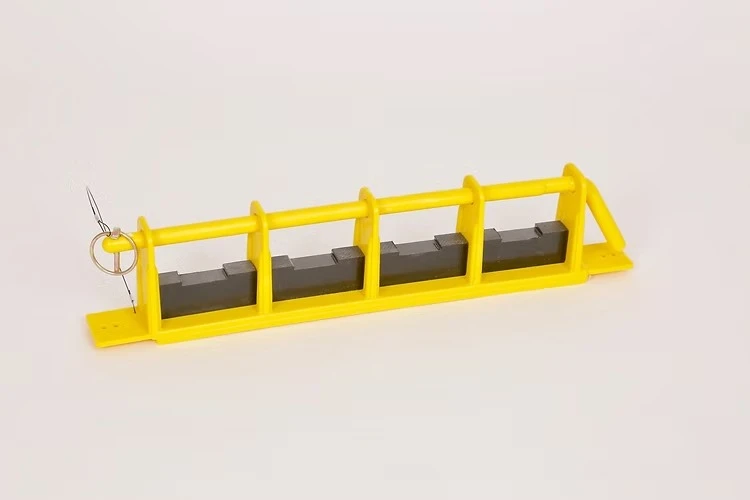

Transport operators often face the challenge of limited trailer space, making organization crucial for safety and efficiency. One overlooked area is the vertical wall space, which is often left unused. This space can be transformed into a reliable storage zone for tools like cargo bars, straps, and braces that otherwise clutter the trailer floor or get damaged. Using a load bar storage rack helps secure these items vertically, freeing up floor space and reducing equipment wear. It is a simple yet effective solution for optimizing internal trailer space. But how can vertical storage become part of a standard operating setup?
Why Vertical Space Gets Ignored
The sides of trailers are frequently seen as just structural boundaries rather than valuable real estate. Many trailer operators focus primarily on floor space when organizing their cargo, securing items only where needed. As a result, storage solutions for tools and gear, like cargo bars, are often an afterthought. These tools may be left lying loosely on the floor or stacked unevenly against the walls, which can lead to safety hazards, gear damage, and time-consuming setups.
In reality, vertical wall space is a smart, stable surface that can handle mounted storage systems without interfering with cargo space. A well-fitted wall rack can hold heavy-duty items like restraint bars in a safe and accessible position, streamlining workflow and increasing efficiency during loading and unloading operations.
Turning Wasted Wall Space into Functional Storage
The introduction of well-designed wall-mounted gear holders has transformed how equipment can be stored inside trailers. These systems are typically compact, low-profile, and engineered to support the weight and shape of items like load bars, making them ideal for use in both trailers and warehouses.
When reviewing available solutions, it is important to look at mounting compatibility, durability, and how well the rack holds items in place during transit. Some products are made to fit standard 16-inch vertical tracks and e-track systems, which are common in trailer interiors. These designs allow for secure placement while keeping gear easy to retrieve. The result is less clutter, reduced wear on equipment, and faster turnaround for drivers and warehouse teams.
Features That Matter in Wall-Mounted Racks
Not all storage racks are built the same. Choosing the right load bar storage rack depends on a few important specifications. First, check if the rack supports the type and size of load bars used in the fleet. Some racks are designed to accommodate four or more bars at once, which is helpful for frequent haulers or large-scale operations.
Second, pay attention to the build quality. Look for materials like heavy-gauge steel or similar metal construction, as these offer higher strength and better resistance to vibration on the road. A quality finish, such as powder coating, helps resist rust and wear, improving the lifespan of the rack.
Ease of installation also makes a difference. Racks that include spring-fitting clips and pre-drilled mounts simplify setup and reduce the need for modifications. A retention rod or secure locking feature helps keep bars firmly in place during transport.
Safety and Organization Benefits
Using vertical storage does more than free up floor space. It also contributes directly to trailer safety and organization. Loose equipment can shift during transit, creating trip hazards or interfering with cargo stability. Mounted racks provide a consistent and dependable location for each item, improving workflow and reducing risk.
In busy delivery environments, time lost searching for tools or reorganizing gear can lead to delays and inefficiency. Vertical storage helps establish a logical and repeatable layout inside trailers, where every item has its place.
For warehouse teams managing incoming and outgoing trailers, this consistency improves handling times and minimizes confusion, especially when working with mixed fleets. With a load bar storage rack installed, staff can quickly identify available gear without needing to move or reorganize loose items.
Long Term Value for Fleets and Solo Operators
Installing vertical storage options is an investment in both safety and performance. By using racks that keep equipment secure and reduce damage over time, operators lower the risk of costly replacements and avoid unnecessary downtime. Over the long term, the financial savings from protecting essential tools can easily outweigh the initial cost of a durable rack.
Customers and shipping partners often notice how organized a trailer is during inspections or high-volume delivery periods. A well-arranged interior reflects professionalism and strengthens overall trust in transport operations.
Conclusion: A Smarter Way to Use Trailer Space
The vertical wall space inside trailers can do far more than hold cargo in place. With proper planning and practical mounting tools, it becomes a reliable storage area for cargo bars, securement gear, and other essential equipment. A load bar storage rack provides an efficient and dependable way to improve safety and organization across both road and warehouse operations. By making better use of this often-ignored space, transport teams create a cleaner working environment and improve the overall flow of daily tasks.
Organize trailer space with smarter storage solutions and improve safety and efficiency. Explore reliable options that keep essential gear secure and accessible.












Sign in to leave a comment.