
Islamic schools play a significant role in providing quality education while fostering Islamic values and principles. Manchester, a vibrant and multicultural city in the United Kingdom, is home to several Islamic schools that cater to the educational and spiritual needs of Muslim children. This blog explores the landscape of Islamic schools in Manchester, highlighting their importance, curriculum, facilities, and more.
1. Introduction to Islamic Schools
Islamic schools, also known as madrasas or faith schools, aim to provide an education that balances religious teachings with the national curriculum. They serve as important institutions for preserving Islamic culture and identity among the younger generation. In Manchester, these schools are instrumental in shaping well-rounded individuals who excel academically while staying true to their faith.
2. The Role of Islamic Schools in the Community
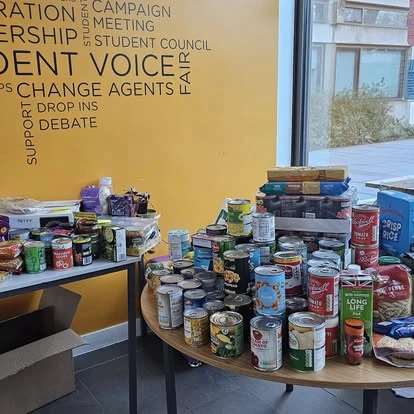
Islamic schools in Manchester not only educate children but also serve as community hubs. They offer various programs and activities that engage families and foster a sense of belonging. These schools often collaborate with local mosques and community organizations to organize events, workshops, and charity initiatives, thereby strengthening the fabric of the Muslim community in Manchester.
3. Overview of Prominent Islamic Schools in Manchester
Manchester Islamic High School for Girls
This school is renowned for its academic excellence and commitment to nurturing young women in a faith-based environment. It offers a comprehensive curriculum that includes both secular and religious subjects, promoting intellectual growth and spiritual development.
Afifah School
Afifah School is another well-established institution that provides education from primary through secondary levels. The school emphasizes the importance of moral values, Islamic teachings, and academic achievement, preparing students for higher education and future careers.
Manchester Muslim Preparatory School
Catering to younger children, this preparatory school focuses on early childhood education with a strong foundation in Islamic studies. It aims to create a nurturing environment where children can develop their cognitive and social skills alongside their religious knowledge.
4. Curriculum and Teaching Methods
Islamic schools in Manchester follow the national curriculum set by the UK government while integrating Islamic studies, Quranic education, and Arabic language courses. The teaching methods often blend traditional and modern approaches to cater to diverse learning needs. Interactive lessons, technology integration, and extracurricular activities ensure that students receive a well-rounded education.
5. Extracurricular Activities and Student Life
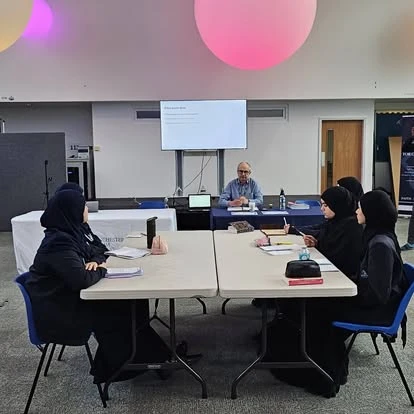
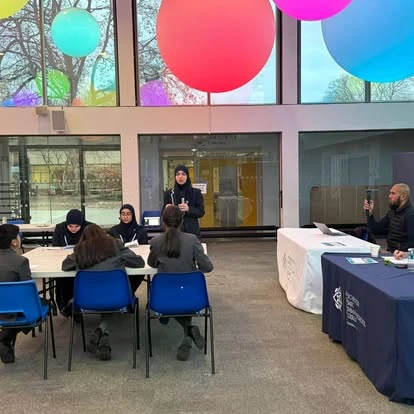
Beyond academics, Islamic schools in Manchester offer a wide range of extracurricular activities. These include sports, arts, debate clubs, and community service projects. Such activities are designed to enhance students' social skills, teamwork, and leadership qualities. The schools also organize Islamic events, such as Quran recitation competitions, Islamic history fairs, and Eid celebrations, enriching the students' cultural and spiritual experiences.
6. Facilities and Resources
Islamic schools in Manchester are equipped with modern facilities to support effective learning. Classrooms are often furnished with up-to-date educational technology, including interactive whiteboards and computer labs. Additionally, many schools have libraries stocked with a variety of books, including Islamic literature and academic resources. Sports facilities, science labs, and prayer areas are also commonly found, providing a holistic environment conducive to both academic and spiritual growth.
7. Parental Involvement and Community Engagement
Parental involvement is a key component of the educational philosophy in Islamic schools. Parents are encouraged to participate in school activities, attend parent-teacher meetings, and contribute to school governance through advisory boards or committees. This collaboration between parents and schools helps create a supportive learning environment and ensures that the educational needs of students are met effectively.
8. Challenges and Future Prospects
Addressing Stereotypes and Misconceptions
One of the challenges faced by Islamic schools in Manchester, as in other parts of the UK, is combating stereotypes and misconceptions about Islamic education. These schools often work to demonstrate that they provide a balanced education that prepares students for the broader society while maintaining their religious identity.
Expanding Access and Facilities
As the Muslim population in Manchester continues to grow, there is an increasing demand for more Islamic schools and expanded facilities. Future prospects include the development of more schools with state-of-the-art infrastructure and the introduction of innovative educational programs to meet the evolving needs of the community.
Conclusion
Islamic schools in Manchester play a crucial role in the education and upbringing of Muslim children. They provide a balanced curriculum that fosters academic excellence and spiritual growth, preparing students to become responsible and knowledgeable members of society. These schools also serve as vital community centers, promoting engagement and collaboration among families and local organizations. Despite challenges, the future of Islamic schools in Manchester looks promising, with ongoing efforts to expand and enhance educational opportunities for all students.
In summary, the Islamic schools in Manchester are more than just educational institutions; they are pillars of the community, nurturing the minds and spirits of young Muslims and helping them navigate their dual identity as British Muslims in today's diverse society.










Sign in to leave a comment.