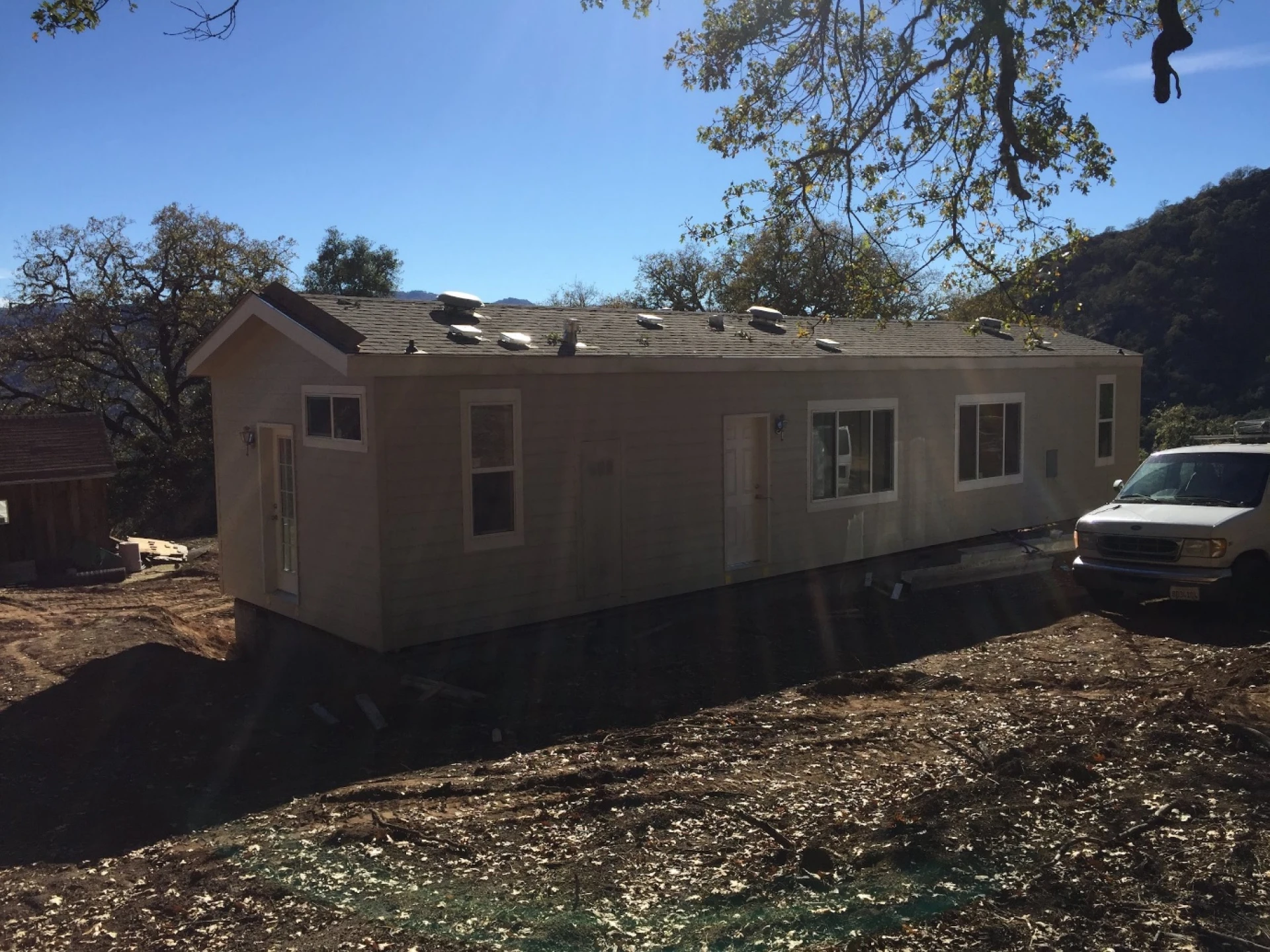

For homebuyers in Sonoma County exploring affordable housing options, the terms manufactured home and mobile home are often used interchangeably. But while they may seem similar on the surface, important distinctions set them apart. Understanding these differences is essential for making an informed decision—whether you're planning a custom small home installation, investing in a prefab ADU for rental income, or looking for a comfortable family residence.
Understanding the Terminology
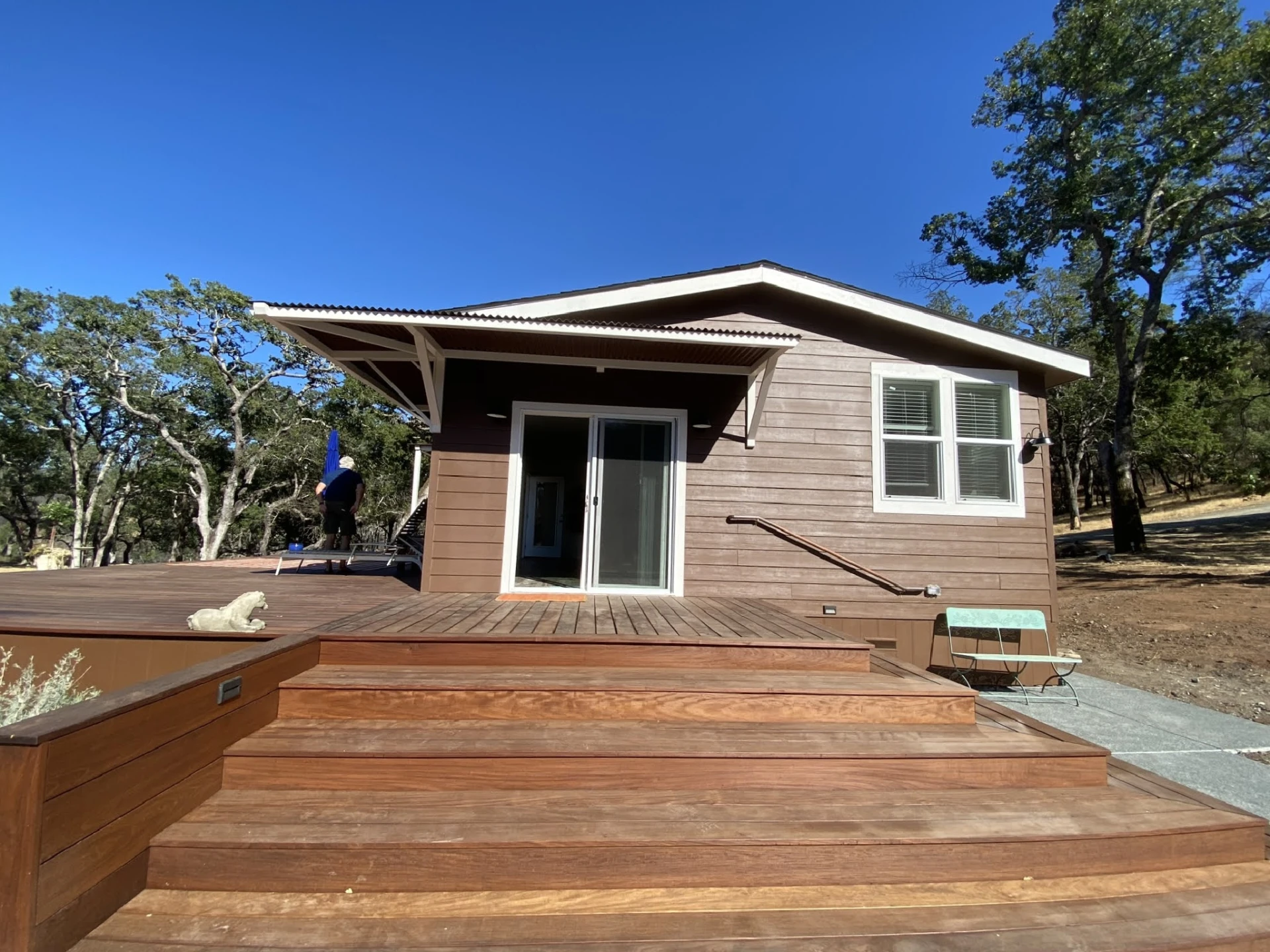
Before diving into the pros and cons of each option, it's crucial to define the terminology.
Mobile homes refer to factory-built homes produced before June 15, 1976. These homes were manufactured before the implementation of the U.S. Department of Housing and Urban Development (HUD) Code, which introduced federal standards for design, construction, strength, and safety.
Manufactured homes, on the other hand, are those built on or after June 15, 1976, and are regulated by the HUD Code. These homes must meet strict standards for construction, energy efficiency, and safety—making them far more reliable and customizable than their mobile predecessors.
Key Differences in Quality and Safety
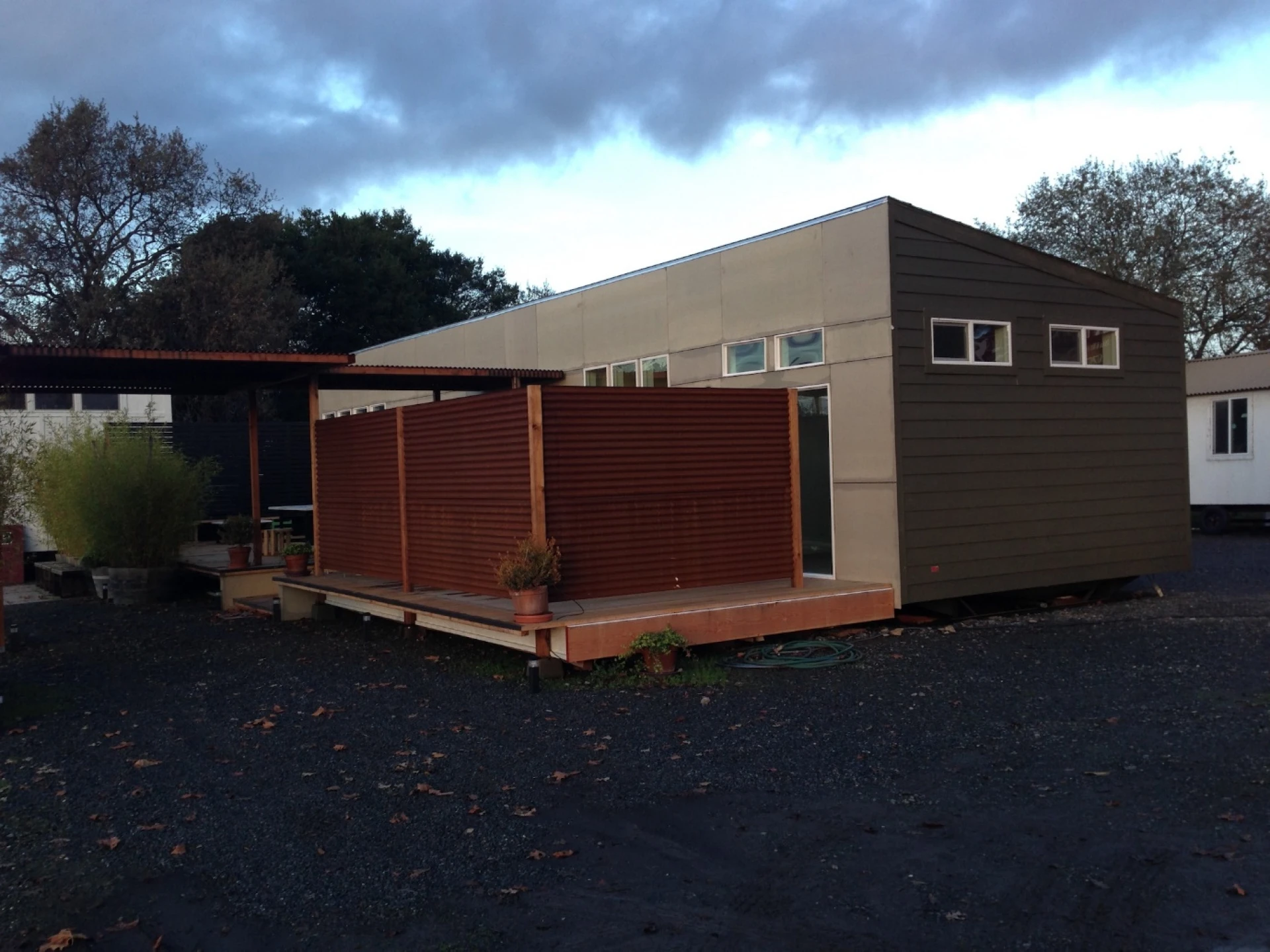
The most significant distinction between mobile and manufactured homes lies in construction standards. Manufactured homes today must adhere to the HUD Code, which means they are built to a higher level of structural integrity. Sonoma Manufactured Homes, for instance, builds homes that meet and exceed these standards to provide long-term durability, comfort, and safety for residents.
Mobile homes, while more affordable at face value, typically lack the advanced materials, energy-efficient insulation, and weather resistance found in today’s manufactured homes. In Sonoma County—where wildfires, high winds, and seismic activity are concerns—these differences matter.
Customization and Design Flexibility
When it comes to design flexibility, manufactured homes offer far more possibilities. Sonoma Manufactured Homes specializes in custom small home installations, multi-section homes, and ADUs that reflect your lifestyle and aesthetic preferences. Whether you're building a family-friendly layout or a Sonoma backyard cottage, the level of personalization is virtually limitless.
Mobile homes, by contrast, are generally limited to older floorplans and offer less flexibility in terms of layout or style. Retrofitting them for modern living or compliance can also be costly and time-consuming.
Financing and Insurance Considerations
Financing a manufactured home is often easier than financing a mobile home, especially in California. Since manufactured homes are built to national HUD standards, many lenders—including FHA, VA, and conventional mortgage providers—consider them legitimate residential property (especially if placed on a permanent foundation).
Insurance is another factor. Manufactured homes are easier to insure because they meet rigorous federal safety standards. Mobile homes, especially older ones, can be more difficult and costly to insure due to their age and construction quality.
Permitting and Installation in Sonoma County
In Sonoma County, the permitting process is a major consideration for buyers. Whether you're planning a manufactured home transport or an ADU installation in Sonoma County, it's critical to understand local zoning laws and building codes.
Sonoma Manufactured Homes offers full support with permits and site preparation, including everything from caregiver cottage approvals to second-unit installations. They streamline the process—handling manufactured home permits, transport, and installation—so buyers can focus on the excitement of their new home, not the red tape.
Mobile homes, due to outdated compliance, may face additional hurdles when it comes to relocation, code upgrades, or site installation. In some cases, they may not meet current zoning regulations at all.
Value and Longevity
While mobile homes may seem like a budget-friendly solution, their resale value tends to depreciate quickly. Many older units face challenges with structural wear, outdated wiring, and limited insulation.
By contrast, manufactured homes in Sonoma County—especially those offered by Sonoma Manufactured Homes—are built for long-term performance. With modern materials, energy-efficient options, and up-to-date safety features, these homes hold their value better and require less ongoing maintenance.
In fact, many Sonoma County buyers are choosing manufactured homes as permanent primary residences, especially those seeking affordable small homes in Petaluma or family-size units with multiple bedrooms.
Ideal Applications: ADUs, Granny Flats, and More
Manufactured homes shine in a wide range of applications. In Sonoma County, popular uses include:
· Granny flats and in-law units for multigenerational living
· Caregiver cottages for onsite staff housing
· Prefab ADUs for rental income or guest housing
· Off-grid homes for remote properties or sustainable living
· Small home construction for downsizing or first-time buyers
Sonoma Manufactured Homes provides models and customization for each of these scenarios, with efficient installation, local expertise, and top-tier customer service.
Conclusion
When it comes to choosing between a mobile home and a manufactured home in Sonoma County, the decision is clear: manufactured homes offer superior value, safety, customization, and long-term benefits.
Whether you're building a backyard cottage, a second unit for rental income, or a modular home for urban living, Sonoma Manufactured Homes is your trusted partner. Their team handles everything from permitting to transport and installation—helping you achieve your dream home without compromise.
Explore State of the Art Housing Solutions with Sonoma Manufactured Homes
Discover affordable small homes, modular living solutions, and custom small home installations in Sonoma County with Sonoma Manufactured Homes. Explore prefab ADUs, backyard cottages, and multi-section homes tailored to your needs. Start your journey toward smarter living today.












Sign in to leave a comment.