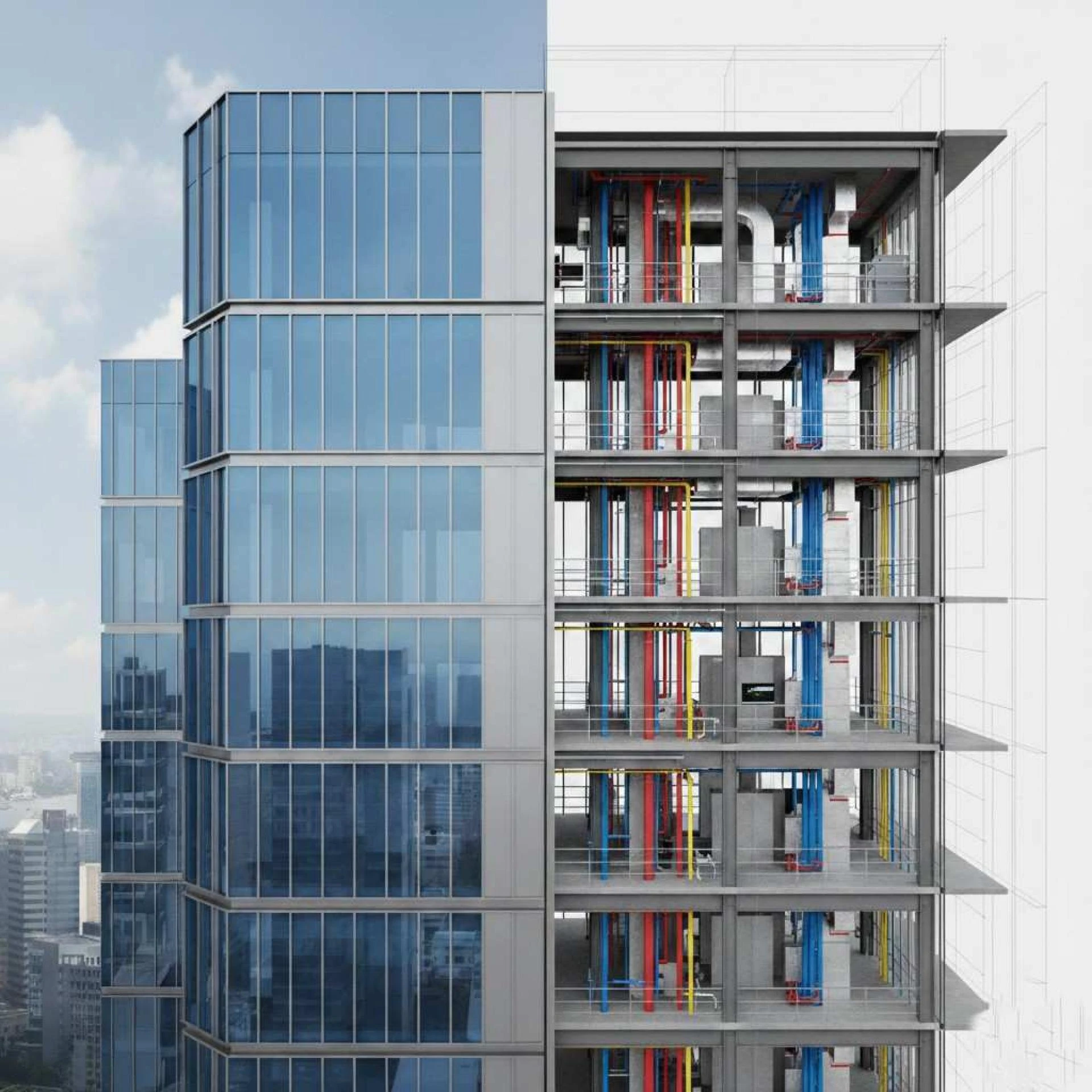
The Architecture, Engineering, and Construction (AEC) industry relies heavily on precision, communication, and efficiency. As building processes become more complex, Building Information Modeling (BIM) has completely changed the game, with Revit standing out as a premier software solution. Far more than just a 3D drafting tool, Revit is a centralized, intelligent platform that manages architectural projects from initial concept straight through to construction and facility management.
By transitioning to Revit, architectural teams are fundamentally upgrading how they design, document, and execute their visions. Here is a breakdown of the specific features and benefits that make Revit an absolute necessity for modern architecture.
Key Features Driving Architectural Innovation
Revit provides architects with a robust toolkit designed to automate repetitive tasks and keep project data perfectly organized. The standout features include:
Parametric Data Management: Revit allows users to assign specific criteria and parameters to every single object in a project. This ensures that all components meet strict specifications before actual construction begins, keeping all relevant data stored safely in one unified tool.
- Customizable Revit Families: The software allows engineers and architects to create or import pre-built, customizable building elements such as doors, windows, furniture, and HVAC systems. Inserting these "families" into a project saves countless hours of manual drafting.
Dynamic Viewing Options: Architects are never locked into a single perspective. Revit enables teams to seamlessly switch between section, perspective, orthographic 3D views, elevations, and structural plans, offering a complete 360-degree understanding of the design.
While Revit’s technical capabilities are undeniably impressive, its true worth is found in how these tools solve real-world challenges for both architects and their clients. At the foundation of this practical value is the software's unmatched 3D accuracy. Revit pushes digital modeling to its absolute limits, generating highly precise elevations, pinpoint dimensions, and realistic "as-built" models. This level of granular detail effectively eliminates the guesswork from the design phase, providing a clear, accurate vision of the final structure before a single brick is laid.
Beyond precision, Revit fundamentally changes how project teams interact. Because architecture is inherently a collaborative effort, Revit allows multiple disciplines to work simultaneously within the same central model. Whenever a designer makes an adjustment, that update is instantly reflected across the board for everyone else. This real-time synchronization creates a highly structured and transparent workflow. Communication among architects, engineers, and clients becomes completely streamlined, ensuring that clients remain in the loop and the entire project team stays perfectly aligned on the same real-time data.
Ultimately, this combination of meticulous accuracy and seamless teamwork acts as a powerful engine for proactive risk management. Mistakes made on a physical construction site are notoriously expensive and time-consuming to fix. However, Revit’s intelligent 3D environment automatically detects design clashes—such as overlapping mechanical, electrical, and structural systems—long before ground is broken. By resolving these conflicts in the digital space, architectural firms can prevent costly project delays, drastically reduce material waste, and significantly lower overall construction expenses.










Sign in to leave a comment.