Healthcare facilities operate in high-stakes environments where smooth operations can directly impact patient outcomes. Behind every well-functioning hospital or clinic is a team ensuring the physical infrastructure runs like clockwork. From maintaining HVAC systems in operating rooms to ensuring fire safety compliance and locating shut-off valves during emergencies, facilities teams are responsible for much more than meets the eye. As healthcare buildings grow more complex, so do the demands on those managing them—this is where healthcare facilities management software becomes critical.
The Growing Complexity of Medical Facility Operations
Gone are the days when hospitals were simpler structures with basic maintenance needs. Today, medical centers are sprawling ecosystems with advanced diagnostic equipment, specialized HVAC systems, regulated storage for hazardous materials, and intricate compliance standards.
Facilities teams must juggle:
- Planned and preventive maintenance
- Emergency repairs
- Regulatory inspections
- Energy efficiency targets
- Space utilization
Managing all these tasks manually or through outdated systems increases the risk of downtime, compliance lapses, or delayed response during emergencies.
Why Traditional Systems Are No Longer Enough
Many healthcare organizations still rely on legacy systems, spreadsheets, or paper-based documentation to manage operations. While these methods may have sufficed in the past, they fall short when speed, accuracy, and real-time data access are essential.
For example, when a medical gas line malfunctions or a power failure impacts critical systems, time is of the essence. Searching through paper plans or outdated documents can delay corrective actions, ultimately risking patient safety.
In this context, healthcare facilities management software emerges not as a luxury, but a necessity.
Key Features of Modern Healthcare Facilities Management Software
Today’s best solutions are tailored to the unique needs of hospitals and medical facilities. Here are the features that are making a difference:
1. Centralized Access to Building Information
Modern platforms allow facility teams to access floor plans, shut-off valve locations, compliance documents, and equipment manuals—all from a mobile device. This minimizes response times during emergencies.
2. Streamlined Preventive Maintenance
Scheduling and tracking preventive tasks helps reduce equipment failure and unplanned downtime. A centralized system ensures visibility across teams and reduces duplicated efforts.
3. Audit and Compliance Tracking
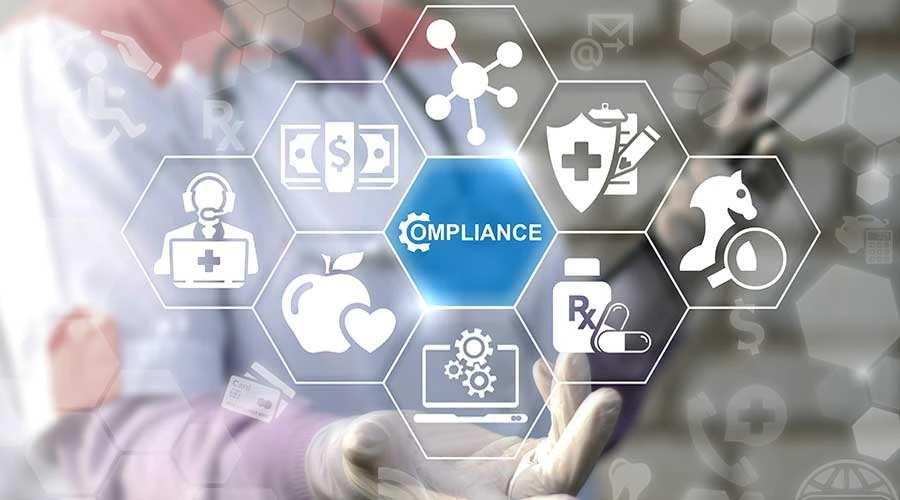
Healthcare facilities are subject to rigorous inspections—OSHA, The Joint Commission, CMS, and local fire codes. A digital system simplifies the preparation and tracking of inspection documents, certificates, and service history.
4. Asset and Equipment Lifecycle Management
From imaging machines to HVAC systems, tracking the lifecycle of critical assets helps facilities managers plan for replacements, budget repairs, and ensure continuous operation.
5. Mobile Access for On-the-Go Teams
Hospitals are expansive and time-sensitive environments. Technicians need access to relevant data wherever they are—whether they’re responding to a leak, locating shut-off valves, or conducting safety rounds.
Enhancing Collaboration and Institutional Knowledge
One of the most underrated advantages of adopting smart facility software is the ability to preserve institutional knowledge. When experienced staff retire or leave, years of familiarity with a facility’s quirks often leave with them. A digital platform centralizes and retains this knowledge—equipment locations, maintenance history, and vendor contacts—making onboarding easier and operations smoother.
Additionally, teams working across multiple buildings or campuses benefit from consistent workflows and shared access to information, enhancing coordination.
Meeting the Future with Resilience and Readiness
Healthcare facilities must be resilient—not only in structure but in systems. From dealing with pandemics to preparing for natural disasters, emergency preparedness is now a top priority. Software platforms that map emergency systems and allow instant access to building schematics can significantly improve response during high-pressure situations.
Moreover, predictive analytics and integration with smart building systems are making facilities more intelligent. Some platforms now offer integration with IoT sensors for real-time condition monitoring of equipment, further reducing surprises and enabling data-driven decisions.
Conclusion
The role of facilities management in healthcare is often invisible but absolutely vital. As buildings become more sophisticated and regulations more stringent, the need for responsive, intuitive, and scalable systems grows stronger. Healthcare facilities management software is no longer just a tool—it’s a backbone for operational efficiency, compliance readiness, and emergency response.
Organizations that invest in modernizing their facility operations today are better positioned to handle the demands of tomorrow’s healthcare challenges. By shifting from outdated methods to digital-first solutions, hospitals can empower their teams, protect patients, and safeguard infrastructure—all at the same time.












Sign in to leave a comment.