Architecture and interior design continue to evolve, blending functionality with visual appeal. Among the many elements shaping modern spaces, mesh ceilings have gained attention for their unique balance of style and practicality. Once limited to industrial or utilitarian settings, these ceilings are now celebrated in commercial spaces, cultural venues, and even residential projects. Their distinctive look and versatile performance make them a hallmark of contemporary design.
What Are Mesh Ceilings?
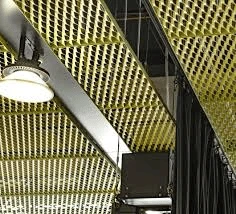
Mesh ceilings are suspended ceiling systems made from metal or woven materials designed in grid-like patterns. Unlike traditional flat surfaces, these ceilings create a semi-transparent effect, allowing light, air, and acoustics to interact in dynamic ways. Available in different shapes, colours, and materials, mesh ceilings can be customised to suit varied design goals, from sleek minimalism to bold architectural statements.
A Blend of Form and Function
The appeal of mesh ceilings lies in their ability to serve both aesthetic and practical purposes. On a visual level, they introduce texture and depth to a space, breaking away from the monotony of plain plasterboard ceilings. Their grid structures create striking patterns that shift with lighting and perspective, adding character without overwhelming the room.
Functionally, mesh ceilings provide excellent ventilation, making them ideal in environments where airflow is crucial. They also allow easy access to utilities such as wiring, ducts, and lighting systems hidden above the ceiling, which is especially valuable in commercial and institutional settings.
Enhancing Light and Atmosphere
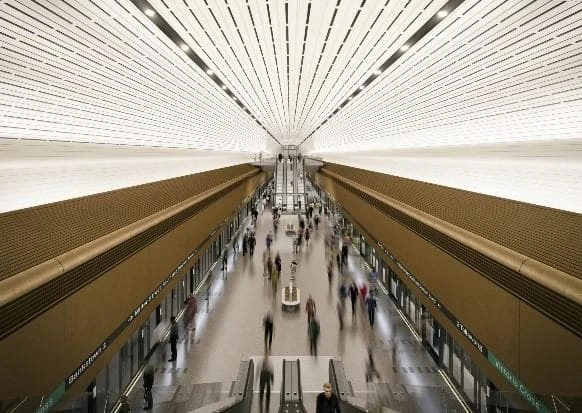
Lighting design plays a significant role in how mesh ceilings transform interiors. By diffusing artificial light or letting natural light filter through, they generate a layered ambience. Fixtures can be integrated seamlessly above or below the mesh, creating shadows and highlights that accentuate the ceiling’s texture. This flexibility allows designers to craft atmospheres ranging from warm and inviting to dramatic and futuristic.
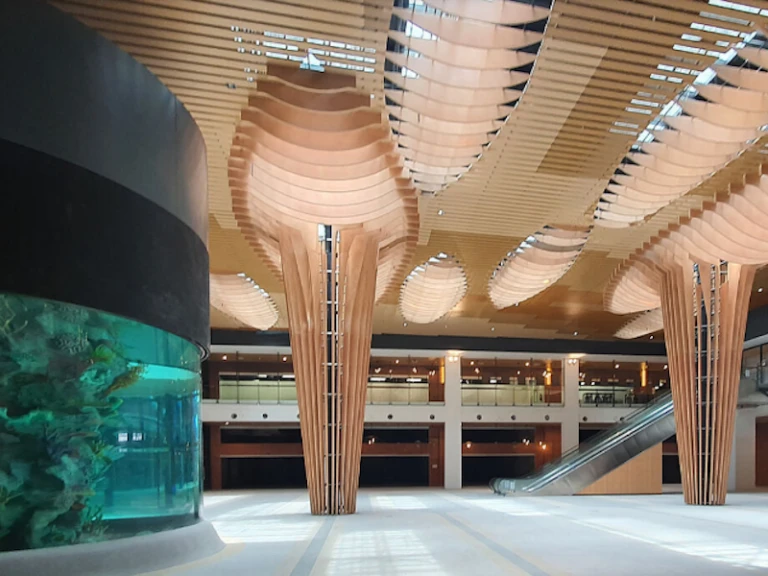
In large public spaces such as airports, museums, or retail outlets, this interplay of light and material enhances both functionality and user experience, making the ceiling a central design feature rather than an afterthought.
Acoustic and Environmental Benefits
Beyond their aesthetic role, mesh ceilings contribute to better acoustics. When combined with sound-absorbing backing materials, they help reduce noise levels in open spaces. This makes them highly suitable for offices, conference centres, and hospitality venues, where controlling sound is essential for comfort.
Sustainability is another advantage. Many mesh ceiling systems are produced from recyclable materials, aligning with the growing demand for eco-friendly building practices. Their durability also ensures longevity, reducing the need for frequent replacements and lowering overall environmental impact. Additionally, because they promote airflow and accommodate integrated lighting, they can indirectly support energy efficiency, further enhancing their environmental value.
Design Versatility Across Sectors
Mesh ceilings have found their place across diverse sectors thanks to their adaptability. In corporate offices, they create a modern, professional look while supporting the practical needs of technology-heavy environments. In retail and hospitality, they contribute to stylish, immersive spaces that reflect brand identity. Even in residential interiors, architects are beginning to experiment with mesh ceilings as a way to introduce industrial chic or contemporary flair.
Their ability to complement both minimalist and intricate designs makes them a favourite among architects and interior designers who want a balance of flexibility and sophistication. Whether paired with bold lighting schemes or subtle neutral palettes, mesh ceilings consistently elevate interiors to new creative heights.
Final Thoughts
Mesh ceilings embody the essence of modern design: practical, versatile, and visually striking. They transform ceilings from passive surfaces into active design elements that influence atmosphere, function, and user experience. By merging aesthetics with sustainability and performance, mesh ceilings continue to shape how contemporary interiors are envisioned and enjoyed.










Sign in to leave a comment.