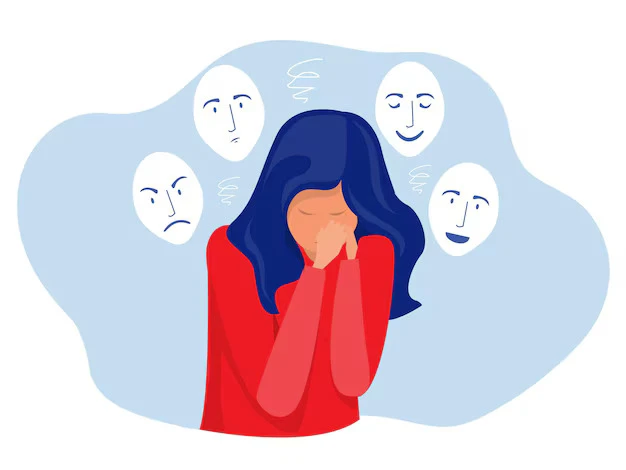

We all have good days and bad days. A little irritable in the morning, unusually energetic at night, a dip in motivation over the weekend—mood swings are a part of being human. But when those ups and downs become unpredictable, overwhelming, or start interfering with daily life, they may signal something deeper: a mood disorder.
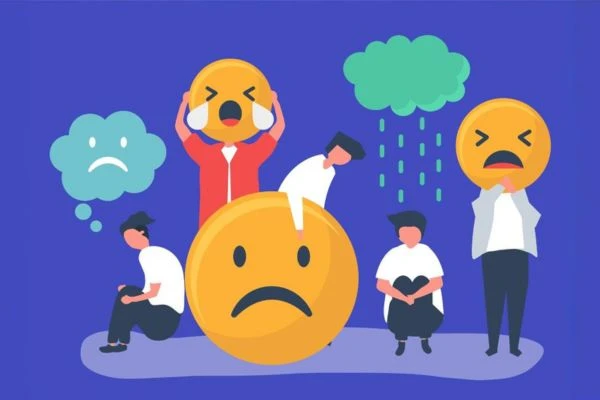
Knowing the difference between normal emotional shifts and a treatable mental health condition is key to taking care of your emotional well-being.
What’s the Difference Between Mood Swings and Mood Disorders?
Mood swings are short-term emotional shifts, often triggered by daily stress, lack of sleep, hormones, or external events. They're usually manageable and don’t last long.
Mood disorders, on the other hand, are persistent changes in mood that disrupt thinking, behaviour, relationships, and even physical health. They often require clinical diagnosis and professional intervention.
Common Types of Mood Disorders
Recognizing which mood disorder, you—or a loved one—might be dealing with is the first step toward healing. Mindsy offers therapy for several of these conditions:
1. Major Depressive Disorder (MDD)
Characterized by deep sadness, hopelessness, fatigue, and loss of interest in things once enjoyed. It’s more than just “feeling low.”
2. Bipolar Disorder
Marked by intense emotional highs (mania or hypomania) and lows (depression). Episodes can last days to weeks and affect daily function.
3. Persistent Depressive Disorder (Dysthymia)
A long-term form of depression with symptoms lasting for two years or more. People may seem functional but feel empty, joyless, or exhausted.
4. Cyclothymic Disorder
A milder form of bipolar disorder, with alternating periods of hypomania and mild depression.
5. Premenstrual Dysphoric Disorder (PMDD)
Severe mood swings, irritability, and depression occurring before menstruation, more intense than PMS.
6. Disruptive Mood Dysregulation Disorder (DMDD)
Usually diagnosed in children, involving frequent temper outbursts and irritable mood.
Signs You Might Need Help
It’s time to consider professional help if mood changes:
- Last more than two weeks
- Affect your sleep, appetite, or energy
- Make it hard to concentrate or work
- Cause you to isolate or lose interest in relationships
- Lead to feelings of hopelessness, guilt, or suicidal thoughts
For children or teens, warning signs might include academic decline, withdrawal from friends, or extreme irritability.
How Mood Disorders Are Diagnosed?
There’s no blood test for a mood disorder, but professionals follow detailed psychological assessments. At Mindsy, licensed psychologists use structured interviews, emotional health screenings, and behavioural observation to arrive at a diagnosis. They also consider any coexisting conditions like anxiety disorders, ADHD, or trauma-related symptoms.
This personalized approach ensures that treatment is focused, effective, and compassionate.
Treatment Options That Work
The good news? Mood disorders are treatable—and recovery is possible with the right plan. At Mindsy, treatment is holistic, personalized, and often includes:
Psychotherapy
Cognitive Behavioural Therapy (CBT), Dialectical Behaviour Therapy (DBT), and talk therapy help manage thoughts and emotions.
Relevant services: online therapy for depression, anger management therapy, bipolar disorder counselling.
Medication (if needed)
Some clients may benefit from antidepressants, mood stabilizers, or anti-anxiety medication prescribed by psychiatrists. Therapy continues alongside.
Lifestyle Support
Sleep routines, mindfulness techniques, movement therapy, and nutritional counselling can greatly complement formal treatment.
Family Involvement
Therapy for mood disorders often includes family counselling or parent guidance—especially in the case of childhood or teen diagnoses.
Why Mindsy?
Mindsy offers a compassionate, evidence-based approach to emotional and mental wellness. Whether you’re dealing with anxiety, depression, chronic irritability, or severe mood episodes, Mindsy matches you with expert psychologists and therapists who truly listen.
What Sets Mindsy Apart:
- 100% online consultations
- Multilingual therapists trained in mood disorder therapy
- Special support for children, teens, and adults
- Affordable pricing and flexible scheduling
- Services covering depression, bipolar disorder, emotional regulation, and more
Whether you're navigating confusion about your own emotional health or concerned about a loved one, Mindsy is here to walk with you—one step at a time.












Sign in to leave a comment.