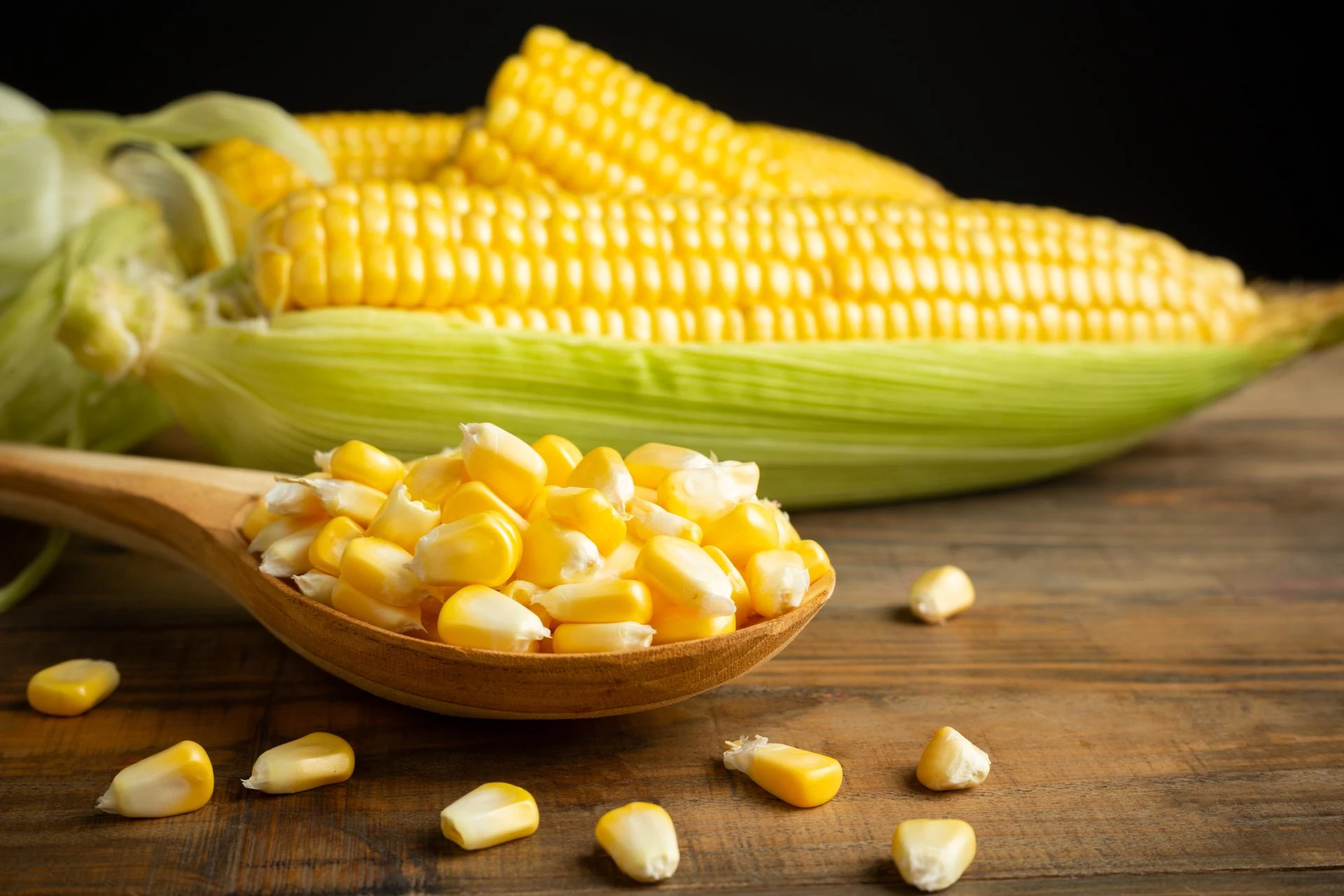

When you hear the word corn starch, your mind might immediately jump to the kitchen. After all, it's often used to thicken soups, sauces, and puddings. But did you know this humble white powder has a much bigger story to tell? From the world of food to the textile industry, corn starch plays an important role in both everyday life and industrial applications.
Let’s take a closer look at the science behind maize starch and discover why it's so much more than just a cooking ingredient.
What Exactly is Corn Starch?
Corn starch is a fine, white powder made from the endosperm of corn kernels. It's mostly composed of a carbohydrate called amylopectin, which gives it its thickening power. When mixed with water and heated, maize starch forms a gel-like consistency. This is why it’s so useful in cooking—but the science behind it extends far beyond the kitchen.
How Corn Starch Works in Food
In food, corn starch acts as a thickener, stabilizer, and moisture-retainer. When added to liquid and heated, the starch molecules absorb water and swell, forming a thick paste. This process is called gelatinization. Because of this property, maize starch is widely used in:
- Soups and sauces for smooth, lump-free consistency
- Puddings and desserts for added thickness
- Baking to improve texture and retain moisture
- Gluten-free recipes as a wheat flour alternative
And here’s the best part—it doesn’t alter the taste of the food!
Beyond the Kitchen: Corn Starch in the Textile Industry
Here’s where the textile starch story begins.
In the textile industry, corn starch is used as a sizing agent, meaning it strengthens yarns and makes them easier to weave. It reduces friction on weaving machines, preventing thread breakage and ensuring smooth operation. This process improves fabric quality, saves time, and increases production efficiency.
Some key uses of corn starch in textiles include:
- Yarn sizing to strengthen threads
- Fabric finishing for stiffness and smooth texture
- Printing processes where it helps hold dyes in place
It’s environmentally friendly, biodegradable, and cost-effective—making it a preferred choice over synthetic options.
Fun Science Behind Corn Starch
Corn starch behaves differently under pressure. Try this at home—mix corn starch with water and press it quickly. It turns solid. But let it sit, and it flows like a liquid. This is called a non-Newtonian fluid, and it's a fun way to see science in action!
This property also makes maize starch useful in packaging, paper-making, and even medical applications like drug capsules and wound dressings.
Why Industries Choose Corn Starch
Whether it's in your kitchen or in a large textile mill, corn starch is favored because it’s:
- Non-toxic and safe to use
- Easily available
- Biodegradable and eco-friendly
- Cost-effective compared to synthetic chemicals
In textiles, the shift toward natural, sustainable materials has increased the use of textile starch made from maize starch.
Final thoughts,
So the next time you reach for maize starch while cooking, remember—you’re not just using a kitchen ingredient. You're holding a powerful natural material that plays a critical role in food, fabric, and even science labs. With its versatile uses and eco-friendly nature, corn starch truly proves that sometimes, the simplest ingredients carry the biggest impact.
Whether it’s thickening your soup or strengthening your shirt, corn starch is silently working its magic.












Sign in to leave a comment.