
Education has always been at the heart of Islam. From the first revelation encouraging Muslims to “Read” (Iqra), knowledge has been considered both a spiritual and intellectual duty. Across the globe, Muslim education centres play a vital role in fulfilling this legacy. They provide spaces where children and adults alike can nurture both their academic skills and Islamic values. In cities with diverse Muslim populations such as Manchester, Birmingham, and London, Muslim education centres are becoming integral institutions that help shape future generations.
The Role of Muslim Education Centres
A Muslim education centre is more than just a school or a mosque — it is a hub of learning that bridges modern education with Islamic traditions. These centres offer Quranic studies, Arabic language classes, Islamic history, and Fiqh (Islamic jurisprudence), while also providing courses in mathematics, English, science, and digital literacy. By doing so, they ensure that students develop a balanced identity rooted in both deen (faith) and dunya (worldly knowledge).
Academic Excellence Meets Spiritual Growth
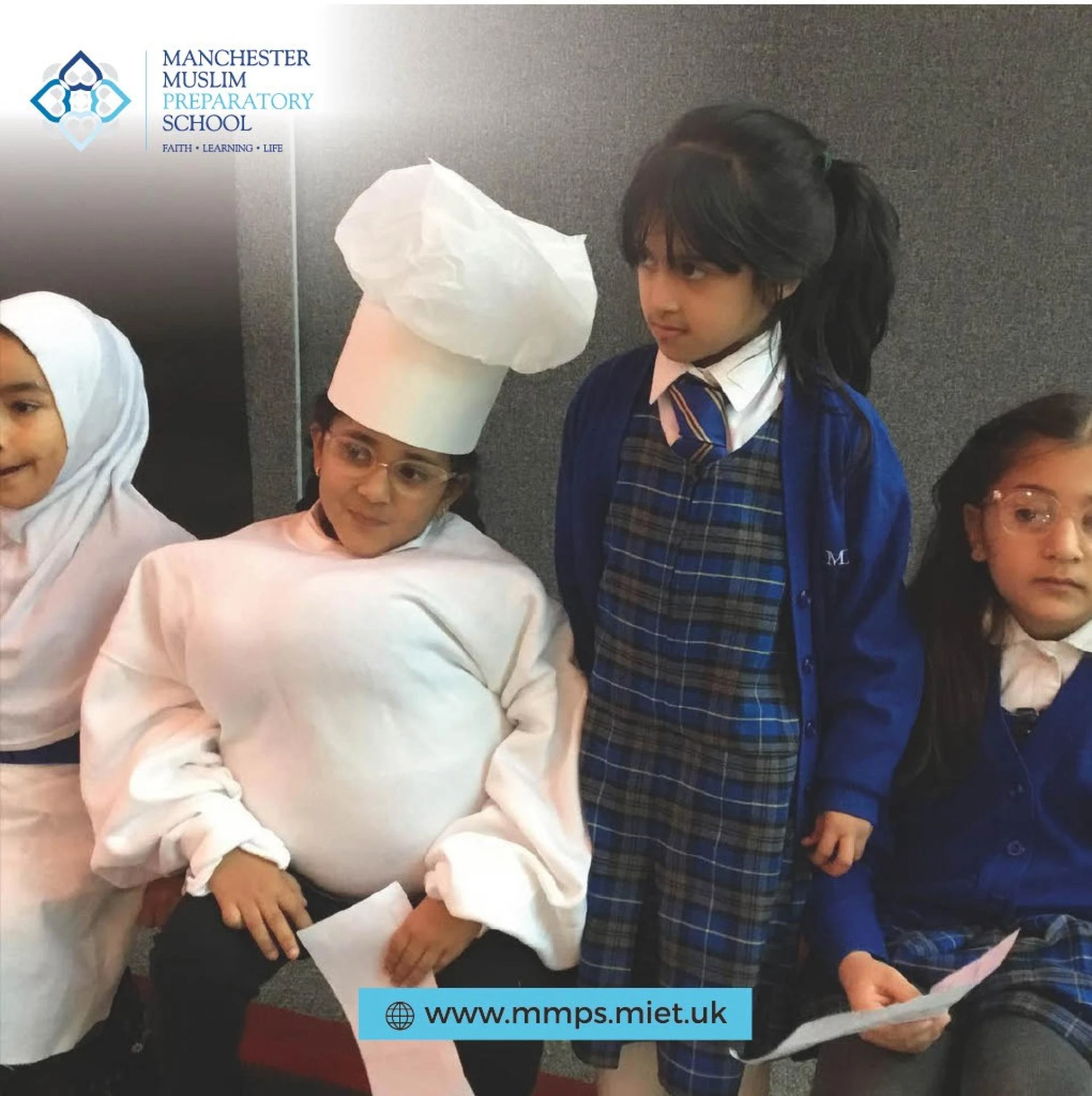
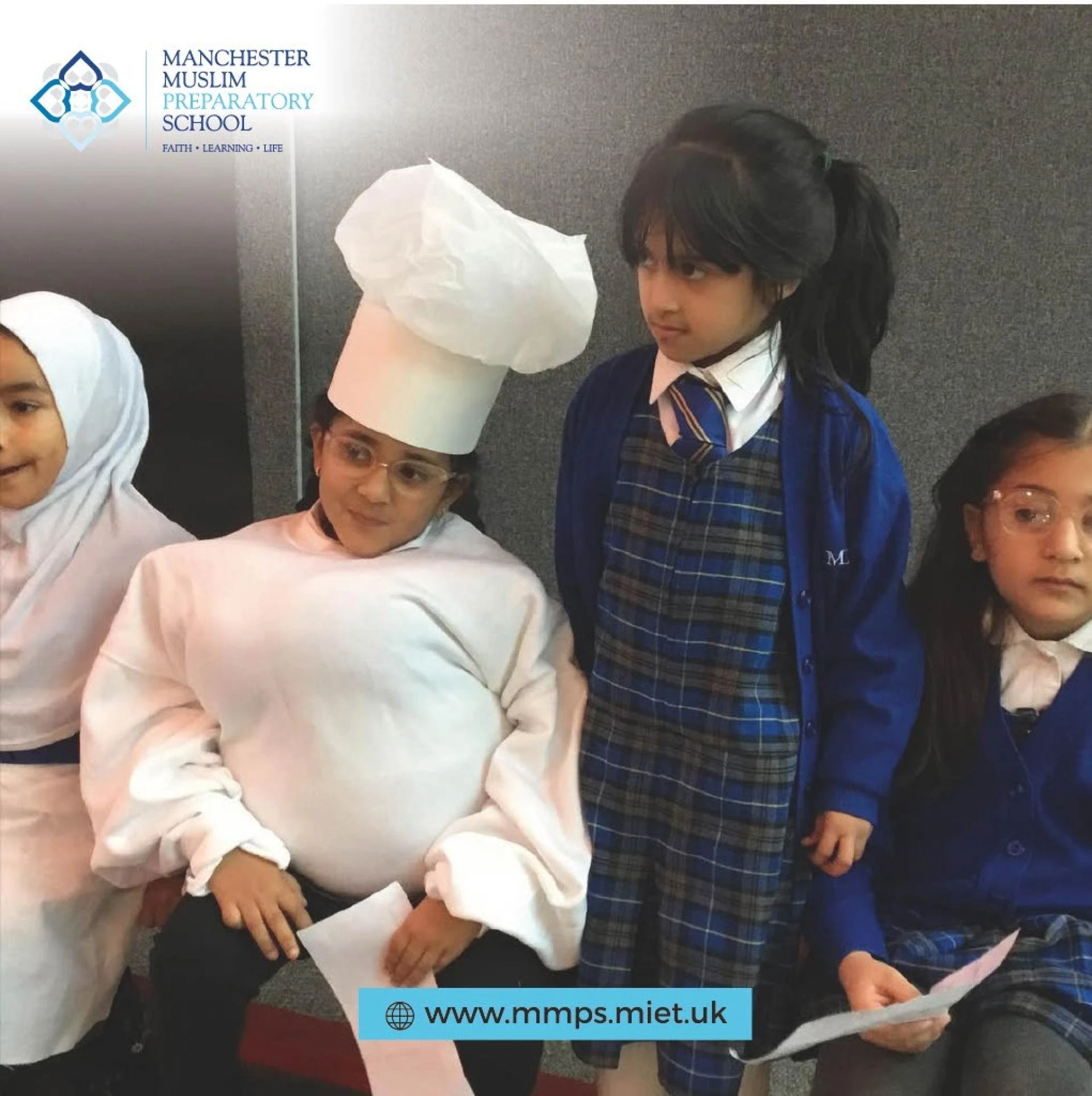
Muslim education centres in the UK often follow a dual curriculum model. Alongside the UK National Curriculum, children are taught Islamic studies in structured timetables. For example, a student might spend their morning learning mathematics, English, or science, and in the afternoon attend classes in Qur’an memorisation or Tafsir. This balance ensures that students graduate not only as academically strong individuals but also as confident Muslims.
Community Engagement
Education centres often act as focal points for local Muslim communities. Parents can engage in workshops, adults can attend evening classes, and youth groups can join extracurricular activities. They are safe spaces for Muslims of all ages to grow, share experiences, and support one another. Events such as Ramadan programmes, Eid celebrations, and charity drives make them essential community pillars.
The Importance of Identity
For Muslim children growing up in the UK, maintaining their identity is crucial. A Muslim education centre helps them navigate between their faith and the wider society by teaching values such as respect, kindness, integrity, and service to humanity. It creates a foundation of self-confidence where children feel proud of their heritage while excelling in modern academic environments.
Conclusion:
A Muslim education centre is more than an institution; it is a place of belonging, growth, and empowerment. By integrating Islamic principles with high-quality education, these centres prepare young Muslims to thrive in modern society without losing touch with their faith. They are bridges to the future, shaping well-rounded leaders who embody both knowledge and spirituality.










Sign in to leave a comment.