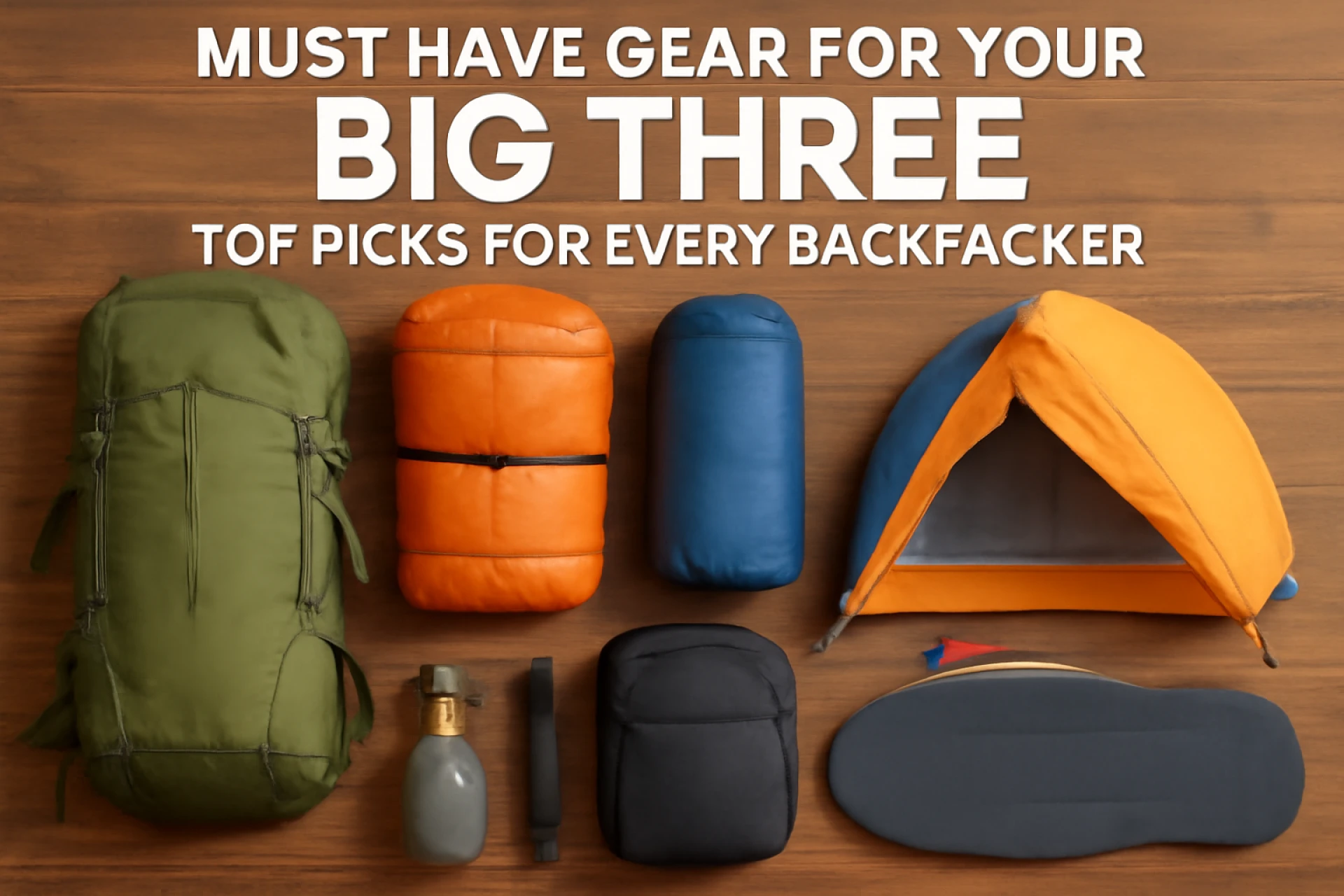

When you’re preparing for a backpacking adventure, three main categories of gear form the foundation of your entire setup: shelter, backpack, and sleep system. Known as the "Big Three" in backpacking circles, these are the items that are crucial for comfort, safety, and success on the trail. Without these essentials, your journey might not be as enjoyable or manageable as it could be.
In this article, we’ll walk through each category and highlight what to look for in high-quality gear that will make your trek easier, more comfortable, and safer. By investing in the right shelter, backpack, and sleep system, you set yourself up for an unforgettable experience in the wild.
1. Shelter: Protecting Yourself from the Elements
A shelter is your first line of defense against the unpredictable elements of nature. Whether you're camping in a forest, high up in the mountains, or near a lakeside, having reliable shelter ensures that you stay warm, dry, and safe throughout your journey.
What to Consider When Choosing Your Shelter:
- Weather Resistance: No matter where you are, your shelter should be capable of withstanding the typical weather conditions in that area. If you're backpacking in a wet climate, look for a shelter with waterproof materials and proper ventilation to avoid condensation.
- Weight and Packability: Since the shelter is one of the heaviest items in your pack, it’s essential to strike a balance between durability and weight. Opt for a lightweight yet sturdy tent or tarp that will fit comfortably into your pack without adding unnecessary bulk.
- Space and Comfort: While backpacking shelters are designed for portability, you don’t want to feel cramped or uncomfortable. Make sure you have enough space to sleep comfortably, store your gear, and have some breathing room to relax inside your shelter.
There are several options for shelters, ranging from ultralight tents to minimalist tarps. If you're looking for a straightforward shelter solution, a lightweight two-person tent is a good starting point. However, if you're an experienced backpacker and want to go minimalist, a tarp setup might be more your style. It’s important to think about your environment and personal comfort when choosing your shelter.
2. Backpack: Carrying Your Gear Efficiently
The backpack is the cornerstone of your gear setup. This piece of equipment holds all of your gear, so it’s essential to choose one that fits well and meets your needs for your particular journey. A great backpack will help you carry your shelter, sleep system, food, water, and extra layers without causing strain or discomfort.
Key Features to Look For:
- Fit and Comfort: The most important aspect of any backpack is how it fits. A poorly fitting pack can lead to discomfort, sore spots, and even injuries on long hikes. Make sure the backpack is adjustable to fit your torso length and waist size, and consider getting one with padded straps to distribute the weight evenly across your body.
- Capacity: Backpacks come in various sizes, generally ranging from 40 to 80 liters. The size you choose will depend on the length of your trip and how much gear you plan to carry. For shorter trips, a 40-50L pack might be sufficient, while longer hikes might require a 60L or larger pack to hold all of your gear.
- Organization: A backpack with multiple compartments and external attachment points will help you keep your gear organized and easy to access. Look for packs that feature side pockets for water bottles, top-loading designs for quick access to your gear, and a good system for securing your sleeping pad and tent.
A comfortable, well-fitting backpack can make a significant difference in your overall experience on the trail. With the right pack, you won’t have to worry about discomfort, and you can focus on the scenery, the trail, and the adventure ahead.
3. Sleep System: Resting for the Next Day
Your sleep system plays a critical role in ensuring that you’re well-rested and ready for the next day of hiking. A proper night’s rest will improve your energy levels, allowing you to take on the challenges of the trail with enthusiasm.
What to Include in Your Sleep System:
- Sleeping Bag: Choose a sleeping bag that is appropriate for the climate and season of your trip. If you're backpacking in colder temperatures, a sleeping bag rated for sub-zero temperatures will keep you warm through chilly nights. For warmer conditions, a lighter sleeping bag with a higher temperature rating will suffice.
- Sleeping Pad: A sleeping pad is essential for insulation and comfort. It creates a barrier between you and the cold ground, ensuring that you stay warm throughout the night. There are two main types: inflatable and foam. Inflatable pads provide a more comfortable sleeping surface and pack down smaller, while foam pads are more durable and require no inflation.
- Pillow: A small, inflatable pillow or a stuff sack filled with clothes can make a big difference in how well you sleep on the trail. A pillow provides neck support, preventing stiffness and discomfort when you wake up.
When selecting a sleep system, consider the conditions you’ll encounter. If you’re going to be hiking in areas with cold nights, prioritize a sleeping bag with the appropriate temperature rating. In warmer climates, you may want a lighter sleeping bag and perhaps a thinner pad to maintain comfort without overheating.
4. Why the Big Three Matter
The "Big Three" — your shelter, backpack, and sleep system — are the most essential pieces of gear you’ll carry on your backpacking trip. By focusing on these three items, you ensure that you're adequately prepared for the challenges of the wilderness. They provide the foundation for a successful, comfortable, and enjoyable journey.
Not only do these items provide safety, protection, and comfort, but they also have the potential to improve your experience. When you choose the right shelter, pack, and sleep system, you reduce the likelihood of encountering problems like discomfort, fatigue, and exposure to harsh conditions. It’s important to invest time in selecting the right gear, as these three pieces will play a significant role in determining your overall backpacking experience.
For a more in-depth look at the backpacking big three, understanding how each piece of gear functions within the context of a complete setup can help you make the best decisions for your next adventure.
5. Conclusion: Setting Yourself Up for Success
Your backpacking adventure is an opportunity to explore the great outdoors, disconnect from the hustle and bustle of daily life, and experience nature up close. By focusing on the three essential categories of gear — shelter, backpack, and sleep system — you create a solid foundation that will make your trip smoother, safer, and more enjoyable.
Remember, the key to a successful backpacking trip is not just about the gear you bring, but how well you prepare. Choose your Big Three wisely, and make sure that each piece of gear suits your needs and the environment you’ll be in. With the right setup, you can focus on enjoying the beauty of the trail and the adventure that lies ahead.
For an in-depth guide on choosing the best gear for your big three—shelter, backpack, and sleep system—visit https://www.outdoortechlab.com/backpacking-big-3/.












Sign in to leave a comment.