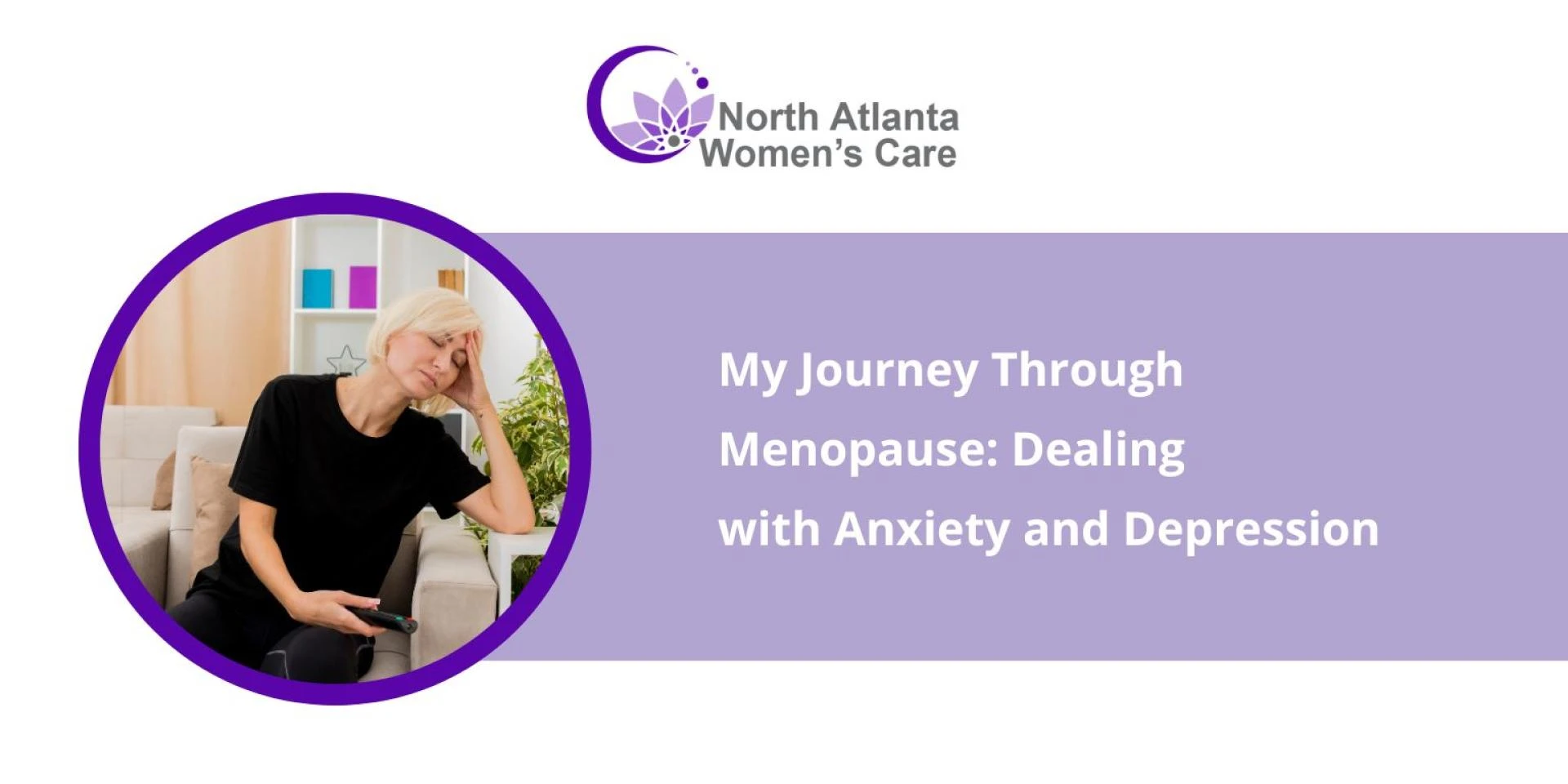

When I first started noticing the signs of menopause, I expected the hot flashes, maybe even the sleepless nights. What I didn’t expect was the wave of anxiety that would hit me out of nowhere - or the creeping sadness that made even the simplest things feel heavy.
I’m sharing my story because I wish someone had talked to me about the emotional side of menopause before I was deep in it. If you’re going through something similar, please know: you’re not alone, and there is a way through it.
The Emotional Surprise of Menopause
Menopause isn't just about physical changes. Sure, there are hot flashes, irregular periods, and all the hormonal chaos - but for many of us, it’s also an emotional rollercoaster. For me, the anxiety came first. I’d lie awake at night with my heart racing, convinced something was wrong, even when everything was fine. The depression crept in more subtly - low energy, less motivation, and a sadness I couldn’t quite explain.
Looking back, it all made sense. Estrogen, which plays a role in mood regulation, was dropping fast. I’d read about this in medical articles, but experiencing it firsthand was something else entirely.
Life Doesn’t Slow Down - Even When You Need It To
What made things more complicated? Life didn’t pause to let me “figure it out.” I was juggling work deadlines, parenting teens, and caring for aging parents - all while trying to navigate what felt like an emotional identity crisis.
It reminded me of the days I went through Preconception Counseling, years ago when I was thinking about starting a family. Back then, I felt more in control of my health. Now, I felt like my body was calling the shots, and I was just along for the ride.
What Helped Me Manage Anxiety and Depression
I want to be clear: I’m not a doctor or therapist. I’m just a woman who found a few things that helped me feel more like me again. These are the strategies that made a real difference:
1. Getting Back to Movement
I started with walks. Nothing fancy - just 20 minutes a day to clear my head. It was a small step, but it helped more than I expected. Over time, I added gentle yoga and weekend hikes. The movement gave me energy, helped me sleep better, and honestly, it lifted my mood.
2. Prioritizing Sleep Like Never Before
Menopause completely messed with my sleep. I’d wake up sweating at 3 a.m., and then spiral into worry about everything from my job to whether I remembered to take the trash out. I started creating a nighttime routine: no screens an hour before bed, herbal tea, and sometimes a little journaling to empty my mind. It wasn’t perfect, but it helped.
3. Mindfulness & Breathing
I used to roll my eyes at the word “mindfulness,” but let me tell you - it works. Even five minutes of deep breathing or a short meditation video on YouTube gave me a sense of calm when everything felt overwhelming.
4. Talking It Out
I finally opened up to a close friend who was also in the thick of menopause. Just hearing someone say, “Me too,” lifted a huge weight. Later, I spoke to a therapist who helped me put words to what I was feeling - and reminded me that I wasn’t broken. I was going through a big transition, and that was okay.
5. Being Kinder to Myself
This one took time. I had to stop expecting myself to function at full speed when I wasn’t feeling okay. I gave myself permission to rest, say no, and let go of things that didn’t serve me anymore.
What I’ve Learned
Menopause is often portrayed as a medical condition to "manage," but really, it’s a chapter of life to navigate with care, curiosity, and compassion. It’s uncomfortable, no doubt. But it’s also a time for reflection and renewal.
I’ve learned that asking for help doesn’t make you weak - it makes you wise. And taking care of your mental health is just as important as managing any physical symptom.
If you’re feeling anxious, low, or just not like yourself - talk to someone. You don’t have to figure this out alone. Whether it’s a friend, a therapist, or your healthcare provider, reaching out is a strong and beautiful act of self-care.
Disclaimer: Please note that this information is for educational purposes only. There is no patient-doctor relationship established. Please consult your healthcare provider for individualized recommendations.











Sign in to leave a comment.