
The conversation around human health is shifting from symptom management to cellular restoration. Scientists and health experts are now exploring how a small yet powerful molecule called NAD+ could redefine our understanding of energy, longevity, and ageing. While it’s not a discovery, the renewed interest in NAD+ comes from groundbreaking studies showing how this molecule may influence everything from metabolism to brain function.
What Exactly Is NAD+?
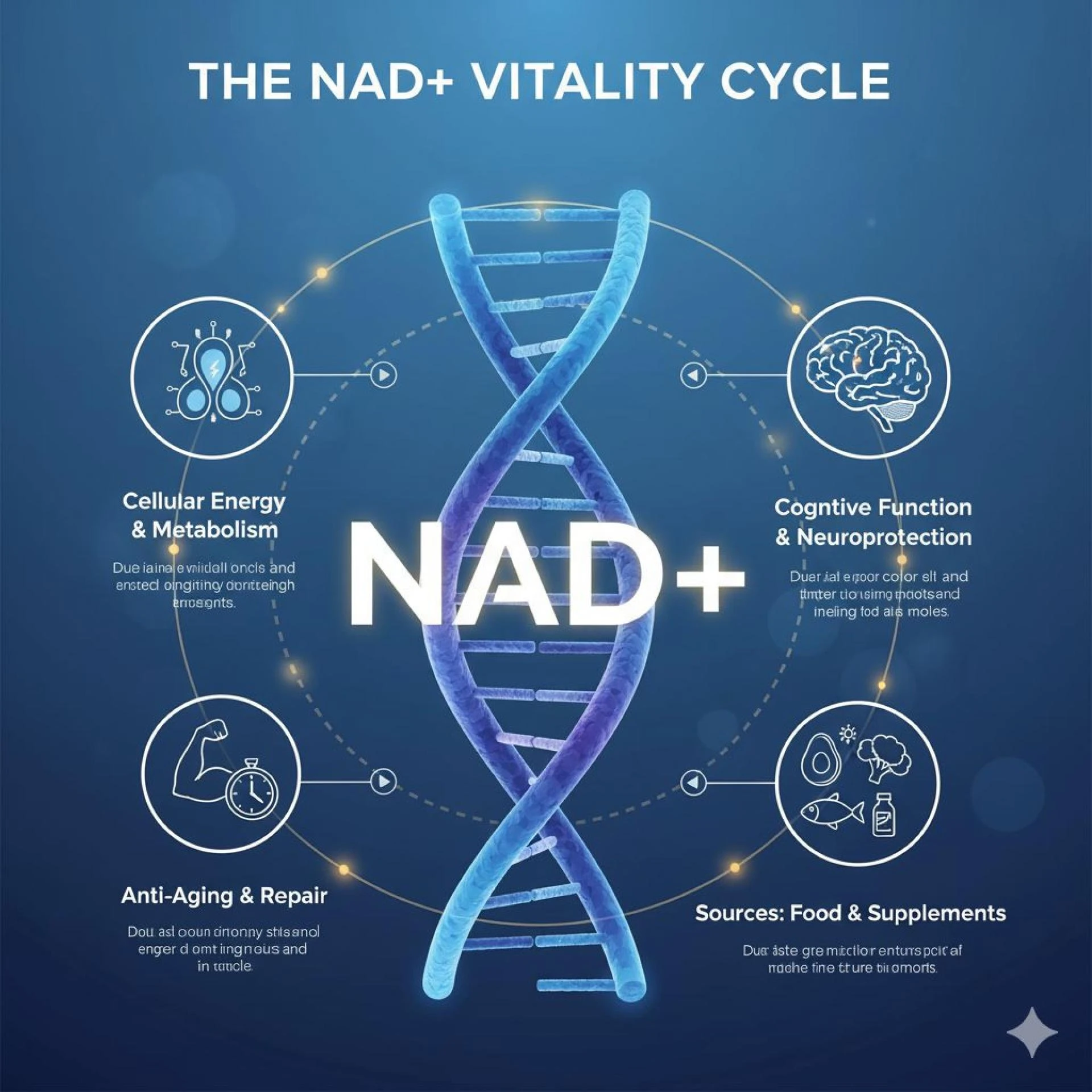
NAD+ (Nicotinamide Adenine Dinucleotide) is a coenzyme found in every cell of our body. It plays a vital role in converting nutrients into energy and maintaining DNA integrity. Simply put, it’s the fuel that powers our cells to function effectively.
As we age, NAD+ levels naturally decline, which scientists link to slower metabolism, fatigue, and even cognitive decline. Researchers are now asking: Can boosting these levels slow down cellular aging or even help reverse certain age-related changes?
The Science Behind Cellular Renewal
Every second, our body’s cells are renewing, repairing, and regenerating. This process depends heavily on the energy generated by mitochondria — the cell’s powerhouses. NAD+ acts as a bridge between the food we eat and the energy our cells produce. Without it, cells lose their ability to repair DNA damage and function optimally.
Emerging studies suggest that maintaining healthy NAD+ levels could:
- Support mitochondrial function and energy balance
- Enhance DNA repair and reduce oxidative stress
- Improve metabolic health and insulin sensitivity
- Promote better brain and heart function
These findings position NAD+ as a central player in maintaining long-term vitality and cellular health.
Can NAD+ Influence Weight and Metabolic Function?
Here’s where the conversation overlaps with another trending topic: peptides for weight loss. Peptides are short chains of amino acids that help regulate biological functions, including metabolism and muscle growth. Certain peptides, such as semaglutide and BPC-157, are gaining attention for their ability to support fat reduction, appetite control, and faster recovery.
Researchers have begun exploring how peptide therapies might work in harmony with NAD+. Both influence cellular energy and metabolic processes, making them a potentially powerful combination for improving overall body composition.
Recent studies suggest that:
- Peptides may enhance mitochondrial activity, similar to NAD+.
- NAD+ helps regulate enzymes that affect fat metabolism and glucose control.
- Together, they could support a more efficient energy system, benefiting weight management and muscle performance.
While more research is needed, early evidence hints that future health protocols might combine both therapies for a holistic approach to cellular and metabolic health.
Longevity and the Future of Human Health
Longevity science has rapidly evolved, with experts like Dr. David Sinclair emphasizing the connection between NAD+ levels and biological age. Clinical trials are examining NAD+ precursors such as NMN (Nicotinamide Mononucleotide) and NR (Nicotinamide Riboside) to determine how effectively they can restore declining levels in humans.
Some promising outcomes include:
- Improved energy production and reduced fatigue
- Enhanced cognitive function and focus
- Support for cardiovascular and liver health
- Better stress resistance at the cellular level
It’s not about living forever — it’s about extending the healthspan, the period of life spent in good health. This shift from lifespan to healthspan is shaping modern wellness research and fueling interest in molecular-level health solutions.
The Role of Media in Health Awareness
In recent years, alternative and political podcasts have become crucial platforms for sharing unfiltered discussions on wellness and science. Unlike traditional outlets, these podcasts often spotlight emerging topics like NAD+ and peptides for weight loss, encouraging deeper public engagement with complex scientific ideas.
By presenting diverse viewpoints, political podcasts are helping listeners understand how science, policy, and health innovation intersect. This democratization of information ensures more people can access credible discussions about new health research, empowering them to make informed choices about their well-being.
Challenges and Ethical Considerations
Despite the excitement, not all questions are answered. Scientists caution that while increasing NAD+ levels shows potential, the long-term effects of supplementation remain under review. Similarly, peptide therapies must be carefully monitored to ensure safety, quality, and appropriate use.
Experts recommend prioritizing natural methods to support NAD+ levels, such as:
- Regular physical activity
- Balanced diets rich in niacin (vitamin B3)
- Quality sleep and stress management
- Controlled fasting or caloric restriction
These lifestyle approaches can help maintain cellular function without relying solely on synthetic supplementation.
A Glimpse Into the Future
Imagine a future where cellular decline is no longer inevitable. The idea of restoring cellular energy and function through molecules like NAD+ and advanced peptide therapies is not science fiction anymore. With continuous research, this intersection of biology and technology could lead to revolutionary breakthroughs in how we age, recover, and live.
Scientists envision that within the next decade, we might see personalized health protocols based on NAD+ profiling, genetic mapping, and targeted peptide treatments. This precision-based approach to wellness could redefine what it means to “age gracefully.”
Key Takeaways
- NAD+ is essential for cellular energy and DNA repair.
- Declining levels are linked to aging and reduced metabolic efficiency
- Peptides for weight loss and NAD+ share complementary effects on metabolism.
- Ongoing studies explore how these molecules could extend healthspan.
- Political podcasts and alternative media are driving public awareness about cutting-edge health science.
As global research deepens, NAD+ stands out as a potential cornerstone of future health optimization — not a miracle cure, but a meaningful step toward understanding the intricate science of cellular renewal.












Sign in to leave a comment.