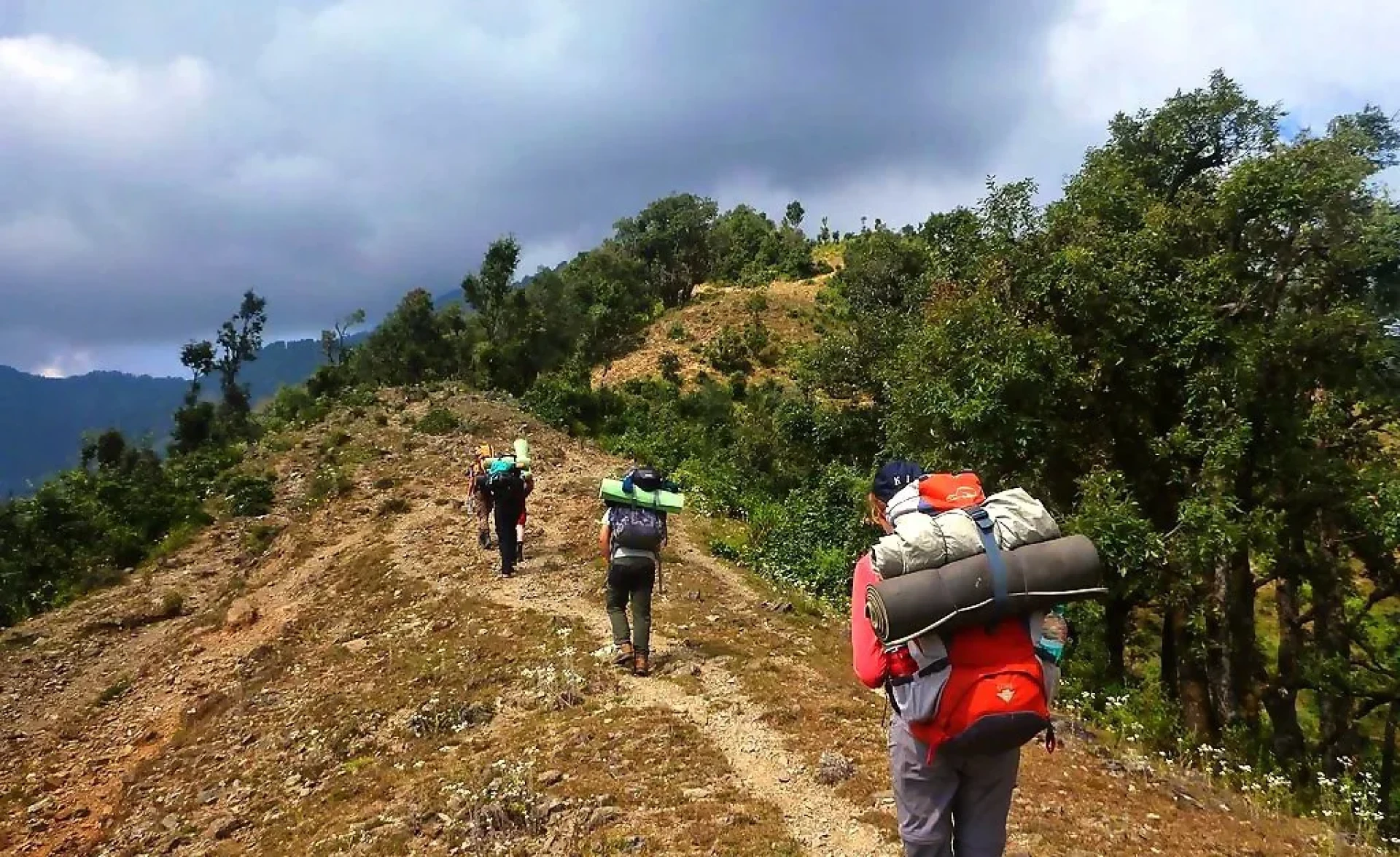

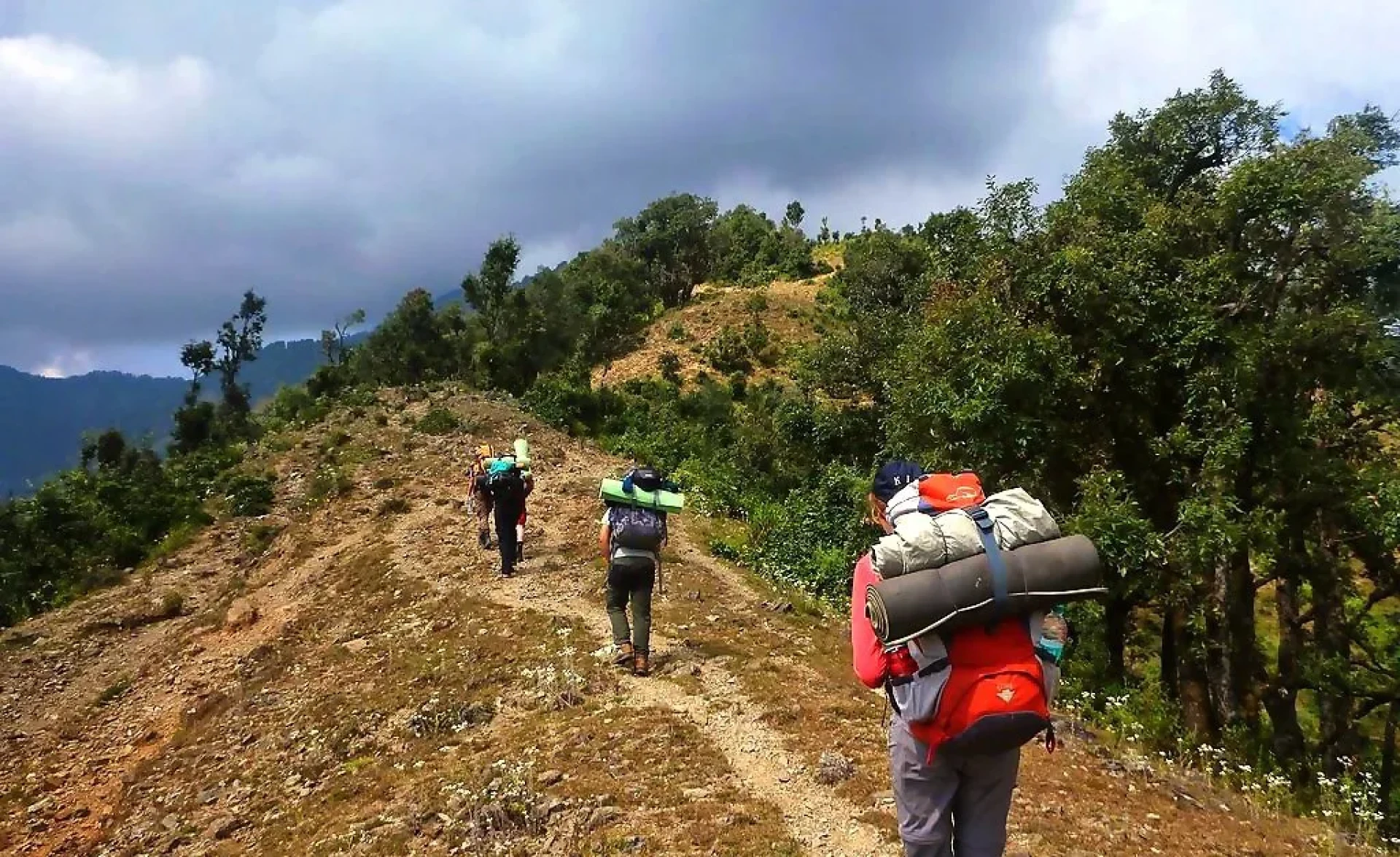
If you are an adventure enthusiast looking for a short yet exhilarating trek, then Nag Tibba trekking is a perfect choice. Nestled in the Garhwal Himalayas of Uttarakhand, Nag Tibba, which translates to "Serpent's Peak," stands at an elevation of 9,915 feet (3,022 meters). It is the highest peak in the Nag Tibba range of the Lesser Himalayas and offers breathtaking views of snow-capped peaks, lush green meadows, and dense forests. The trek is an ideal weekend getaway for those who want to experience the thrill of the mountains without investing too much time or effort.
Why Choose Nag Tibba Trek?
Nag Tibba is one of the best treks for beginners as well as experienced trekkers due to its moderate difficulty level. Here are a few reasons why this trek should be on your bucket list:
- Short Duration: The trek can be completed in two days, making it an excellent option for a weekend adventure.
- Stunning Views: From the summit, you can witness the majestic peaks of Bandarpoonch, Swargarohini, Kala Nag, Srikantha, and Gangotri.
- Rich Flora and Fauna: The trail takes you through oak and rhododendron forests, offering a chance to witness diverse wildlife and exotic bird species.
- All-Season Trek: Unlike many other treks, Nag Tibba is accessible throughout the year. While summer offers pleasant weather, winter turns the trail into a snowy paradise.
- No Special Permits Required: Unlike other high-altitude treks, you don’t need special permits to undertake this journey.
Best Time to Visit Nag Tibba
Nag Tibba can be trekked in any season, but the best time depends on your preference:
- Summer (April to June): Enjoy clear skies, comfortable temperatures, and lush green meadows.
- Monsoon (July to September): While the region receives moderate rainfall, trekking can be a bit challenging due to slippery trails.
- Autumn (October to November): A perfect time to witness golden-brown forests and crisp mountain air.
- Winter (December to March): Experience snowfall and a magical white landscape, ideal for snow trekking enthusiasts.
How to Reach Nag Tibba
The trek starts from Pantwari village, which is the base camp for the Nag Tibba trek. Here’s how you can reach there:
- By Air: The nearest airport is Jolly Grant Airport in Dehradun, around 85 km from Pantwari. You can hire a taxi or take a bus to reach the village.
- By Train: The nearest railway station is in Dehradun, which is well connected to major cities. From Dehradun, you can take a taxi or local transport to reach Pantwari.
- By Road: Regular buses and taxis are available from Dehradun and Mussoorie to Pantwari. The drive takes about 3-4 hours.
Nag Tibba Trek Itinerary
Day 1: Dehradun to Pantwari to Nag Tibba Base Camp
- Start early from Dehradun and drive to Pantwari via Mussoorie.
- The drive takes approximately 3-4 hours.
- Begin the trek from Pantwari to Nag Tibba Base Camp (6 km, 4-5 hours hike).
- Enjoy the scenic trail through dense forests and small water streams.
- Set up your campsite at the base and enjoy the mesmerizing sunset.
- Camp overnight under the starry sky with a bonfire (if permitted).
Day 2: Nag Tibba Summit and Return to Dehradun
- Start early to witness the sunrise from the summit.
- The trek to the summit is around 3 km and takes about 2 hours.
- Enjoy the panoramic view of the Himalayan ranges.
- Descend back to the base camp, rest, and then continue the descent to Pantwari.
- Drive back to Dehradun, marking the end of your trek.
Things to Carry
Packing the right gear is crucial for a comfortable trekking experience. Here’s a checklist:
- Warm clothes (as temperatures drop significantly at night)
- Trekking shoes with a good grip
- Waterproof jacket and raincoat (if traveling during monsoon)
- Sleeping bag (if not provided by trek operators)
- Trekking pole for stability
- Headlamp or flashlight with extra batteries
- Water bottle and hydration pack
- Dry fruits, energy bars, and snacks
- First-aid kit with personal medication
- Sunscreen, sunglasses, and a hat to protect from the sun
- Power bank for charging devices
Safety Tips
While Nag Tibba trek is relatively easy, some safety precautions should be taken:
- Acclimatize yourself properly before starting the trek to avoid altitude sickness.
- Stay hydrated throughout the trek.
- Follow your trek leader’s instructions and stay with the group.
- Avoid trekking after sunset as the trails can be tricky in the dark.
- Carry minimal weight to ease your trekking experience.
- Respect nature and avoid littering.
Accommodation and Food
There are no hotels or lodges on the trek route. You can either opt for a trekking package that includes camping arrangements or carry your own tent and sleeping bag. Food is usually provided by trek organizers, but you can also carry ready-to-eat meals and snacks.
Cost of Nag Tibba Trek
The cost of the trek varies depending on whether you are trekking independently or with an organizer. Generally, a guided trek costs around INR 2,000 to INR 4,500 per person, including food, camping, and guide services. If you plan a self-organized trek, your cost will mainly include travel, food, and gear rental.
Conclusion
Nag Tibba trekking is an ideal weekend adventure that offers a perfect blend of thrill, natural beauty, and serenity. Whether you are a seasoned trekker or a beginner, this trek provides a fulfilling experience with its breathtaking landscapes and easy accessibility. If you’re looking for a quick escape into the Himalayas, Nag Tibba should definitely be on your list. So, pack your bags, lace up your boots, and set out for an unforgettable journey to the Serpent’s Peak!









Sign in to leave a comment.