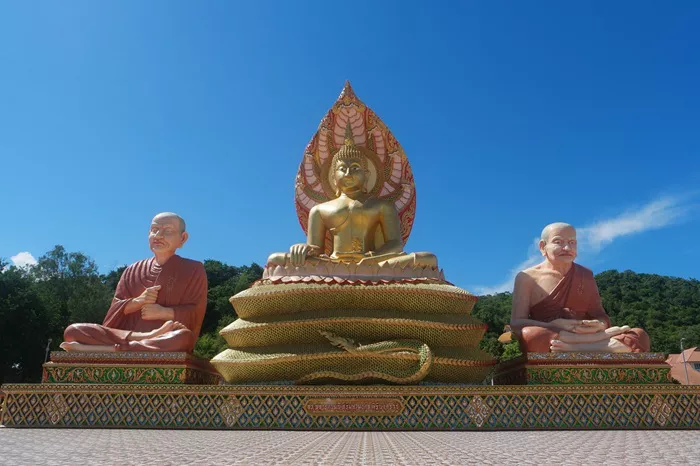

The Naga Buddha is a revered image in Buddhist tradition. It depicts the Buddha protected by a naga, a serpent-like deity. This iconography is found in many Buddhist countries, especially in Southeast Asia. The image symbolizes protection, wisdom, and the deep connection between nature and enlightenment.
Understanding the Naga Buddha helps us appreciate Buddhist art, history, and the cultural integration of local myths with Buddhist teachings. The naga is a significant figure in Indian and Southeast Asian traditions, and its association with the Buddha reflects the spiritual depth of Buddhist symbolism.
What is a Naga?
In Buddhist and Hindu traditions, a naga is a serpent or dragon-like being. Nagas are often seen as guardians of treasures, rivers, and sacred places. They can be benevolent or dangerous, depending on how humans treat them. In Buddhism, the naga is usually shown as a protector of the Dharma and the Buddha.
Symbolism of the Naga
The naga represents several spiritual qualities:
Protection: Nagas protect the Buddha and his teachings from danger.
Wisdom: Like the snake shedding its skin, the naga symbolizes spiritual renewal.
Connection to Nature: Nagas live in water or underground, linking the Buddha with natural elements.
History of Naga Buddha
The story of the Naga Buddha originates from ancient Buddhist texts. One of the most famous stories comes from the Mucalinda Jataka. According to this tale, after the Buddha attained enlightenment, he meditated under a tree during heavy rain. A naga named Mucalinda rose from the earth, coiled around him, and spread its hood over him to protect him from the storm.
Mucalinda and the Buddha
The Mucalinda story emphasizes the Buddha’s connection to all beings. Even a naga, a creature of the natural and supernatural world, shows respect and devotion. This story is often represented in statues and paintings where the Buddha sits calmly while the naga spreads its hood above him.
Development of Naga Buddha Iconography
Over time, the Naga Buddha became a prominent theme in Buddhist art. Early depictions were found in India, particularly in the regions of Mathura and Gandhara. Later, the image spread to Southeast Asia, including Thailand, Cambodia, Laos, and Myanmar. Each region adapted the iconography to its own cultural style. In Thailand, for example, the naga often has multiple heads, forming a protective canopy over the Buddha.
Locations of Naga Buddha Statues and Temples
Naga Buddha statues are found across Asia, particularly in countries influenced by Theravada and Mahayana Buddhism. Some of the most notable locations include:
Thailand
Thailand has many famous Naga Buddha statues. The city of Chiang Mai and the province of Nakhon Pathom are home to large images of the Naga Buddha. Thai temples often integrate the naga into the temple architecture, with serpent balustrades along stairways and naga-protected Buddha images inside the halls.
Cambodia
In Cambodia, the Naga Buddha appears in many ancient temples, including the Angkor Wat complex. Khmer artists often carved the naga with multiple heads, symbolizing protection and divine power. These carvings demonstrate the blending of Hindu and Buddhist traditions, as nagas were part of both religious frameworks.
Laos
Laos also celebrates the Naga Buddha, particularly along the Mekong River. Local legends describe nagas as protectors of the river, linking the Buddha to local water spirits. Temples in Luang Prabang and Vientiane often feature naga-protected Buddha images near water sources.
Myanmar
In Myanmar, naga imagery is common in temple decoration. Statues of the Buddha with a naga canopy are especially revered in Bago and Mandalay. The naga is considered a guardian of sacred sites, symbolizing the Buddha’s enlightenment and the protection of the Dharma.
Significance of Naga Buddha
The Naga Buddha holds multiple layers of significance in Buddhism:
Protection and Shelter
The naga’s hood over the Buddha is a symbol of protection. Just as the naga shields the Buddha from rain and danger, followers are reminded that practicing the Dharma can protect them from suffering.
Harmony Between Nature and Enlightenment
The naga, as a natural and supernatural being, represents the harmony between the natural world and the enlightened mind. The Buddha does not dominate nature; instead, he coexists peacefully with all beings.
Spiritual Inspiration
The Naga Buddha inspires devotees to remain calm and focused even during adversity. The image of the Buddha meditating under a naga’s protection is a reminder of patience, mindfulness, and inner peace.
Connection to Local Beliefs
In Southeast Asia, the naga is part of local folklore. By integrating the naga into Buddhist art, local cultures connected their traditional beliefs with Buddhist teachings. This blending strengthened both religious devotion and cultural identity.
Art and Architecture Featuring Naga Buddha
Naga Buddha art can be found in sculptures, paintings, and temple architecture. Artists often depict the naga with intricate scales and multiple heads. Some famous features include:
Statues
Many statues show the Buddha seated in meditation, with the naga’s hood forming a protective canopy. In some cases, the naga coils around the Buddha’s body, symbolizing closeness and devotion.
Temple Decorations
Naga motifs are used in temple stairways, roofs, and doors. Serpent-shaped balustrades and naga-headed decorations protect the sacred space. In Thailand and Laos, these features are common in prominent temples.
Paintings and Murals
Murals often depict the Mucalinda story. Artists show the Buddha sitting calmly under the naga during a storm, illustrating spiritual serenity and protection from worldly challenges.
Festivals and Rituals Associated with Naga Buddha
Many Buddhist communities celebrate the naga through festivals and rituals. These events often include offerings to the Buddha and to nagas, as they are seen as protectors of the community. Some rituals involve water, connecting the naga to rivers and rainfall.
Naga Fireball Festival
In Thailand and Laos, the Naga Fireball Festival is a unique event. Local people believe nagas release fireballs from the river as a blessing. Though not directly linked to the Buddha, the festival celebrates the naga’s protective power and spiritual significance.
Temple Offerings
Devotees offer flowers, incense, and candles at naga-protected Buddha statues. These offerings show respect for the Buddha and gratitude for the naga’s protection.
Modern Relevance of Naga Buddha
Today, the Naga Buddha continues to inspire Buddhists and tourists alike. Temples featuring naga-protected Buddha statues are visited for meditation, worship, and cultural education. The image of the Naga Buddha reminds modern people of the importance of harmony, protection, and inner peace.
Educational Importance
Art historians and scholars study Naga Buddha statues to understand cultural exchange, religious symbolism, and Southeast Asian history. These statues are living examples of how Buddhism adapted to local beliefs and traditions.
Tourism and Pilgrimage
Many Naga Buddha temples attract pilgrims and tourists. Visiting these sites provides spiritual insight and appreciation of Buddhist art. Sites in Thailand, Cambodia, Laos, and Myanmar are especially popular for pilgrimage.
Conclusion
The Naga Buddha is a powerful symbol in Buddhism. It represents protection, wisdom, harmony with nature, and devotion. The image originated from the Mucalinda story and spread across Asia, influencing art, architecture, and culture. Today, the Naga Buddha remains a source of inspiration, spiritual guidance, and cultural pride for Buddhists and non-Buddhists alike.
FAQs
What does the naga symbolize in Buddhism?
The naga symbolizes protection, wisdom, and the connection between nature and enlightenment. It is seen as a guardian of the Buddha and the Dharma.
Where can I see Naga Buddha statues?
Naga Buddha statues are found in Thailand, Cambodia, Laos, and Myanmar. Prominent examples include temples in Chiang Mai, Angkor Wat, Luang Prabang, and Mandalay.
What is the story of Mucalinda?
The story of Mucalinda tells how a naga protected the Buddha from a storm while he meditated after attaining enlightenment. The naga coiled around the Buddha and spread its hood as shelter.
Why are nagas important in Southeast Asian Buddhism?
Nagas are important because they connect local folklore with Buddhist teachings. They represent protection, spiritual power, and harmony with the natural world.











Sign in to leave a comment.