
In the dynamic world of crime fiction, authors continually push the boundaries of storytelling, infusing innovation into narratives that captivate readers. This blog explores the realm of narrative Innovation in crime fiction, where writers break the mold to deliver fresh and compelling stories that defy expectations.
Evolving Perspectives
Crime fiction writers have embraced various viewpoints, moving the genre beyond the traditional whodunit formula. This section delves into how authors play with timelines, viewpoint shifts, and narrative structures to give readers a multifaceted experience. These writers defy established narrative standards by giving the genre a novel spin.
Unconventional Protagonists
This section explores the rise of non-traditional crime-fiction heroes, moving away from the traditional detective. Writers present characters with distinct histories, a range of abilities, and nuanced motivations. These characters provide a dimension of unpredictable suspense by rejecting the clichés, which keeps readers on the edge of their seats and provides novel perspectives on the mechanics of crime-solving.
Nonlinear Storytelling
Authors are increasingly experimenting with nonlinear storytelling techniques, challenging readers to piece together the puzzle in unconventional ways. This section examines how fractured timelines, flashbacks, and parallel narratives contribute to the suspense and complexity of crime fiction. By breaking the chronological mold, writers create narratives that demand active engagement and interpretation. Crime writers are being forced to rethink narrative conventions due to the nonlinear storytelling trend in crime fiction, which departs from conventional chronological patterns. Plotters purposefully add tension and intricacy to their works by using split timelines, flashbacks, and parallel plots. This method requires readers to actively participate in the story, taking on the role of detectives as they solve the plot's puzzles. Authors that defy the linear flow build tension and offer a singular, immersive experience. They also encourage readers to understand events, relationships, and character motivations in novel ways, enhancing the narrative fabric. As a result, readers are presented with a captivating and thought-provoking story that is both dynamic and participatory.
Technological Integration
In the age of technology, crime fiction is embracing the integration of digital elements. This section explores how authors incorporate technological innovations into their narratives, from cybercrime to forensic advancements. By staying abreast of real-world developments, writers infuse authenticity into their stories, pushing the boundaries of what crime fiction can achieve in the digital era.
Conclusion
This blog is a testament to the genre's dynamism and adaptability. Authors breaking the mold enrich the reading experience, offering diverse storytelling techniques, characters, and themes. As readers, we are invited to embrace the evolving landscape of crime fiction, where innovation keeps the genre relevant and fosters an ever-growing appreciation for the boundless possibilities within its narrative tapestry.
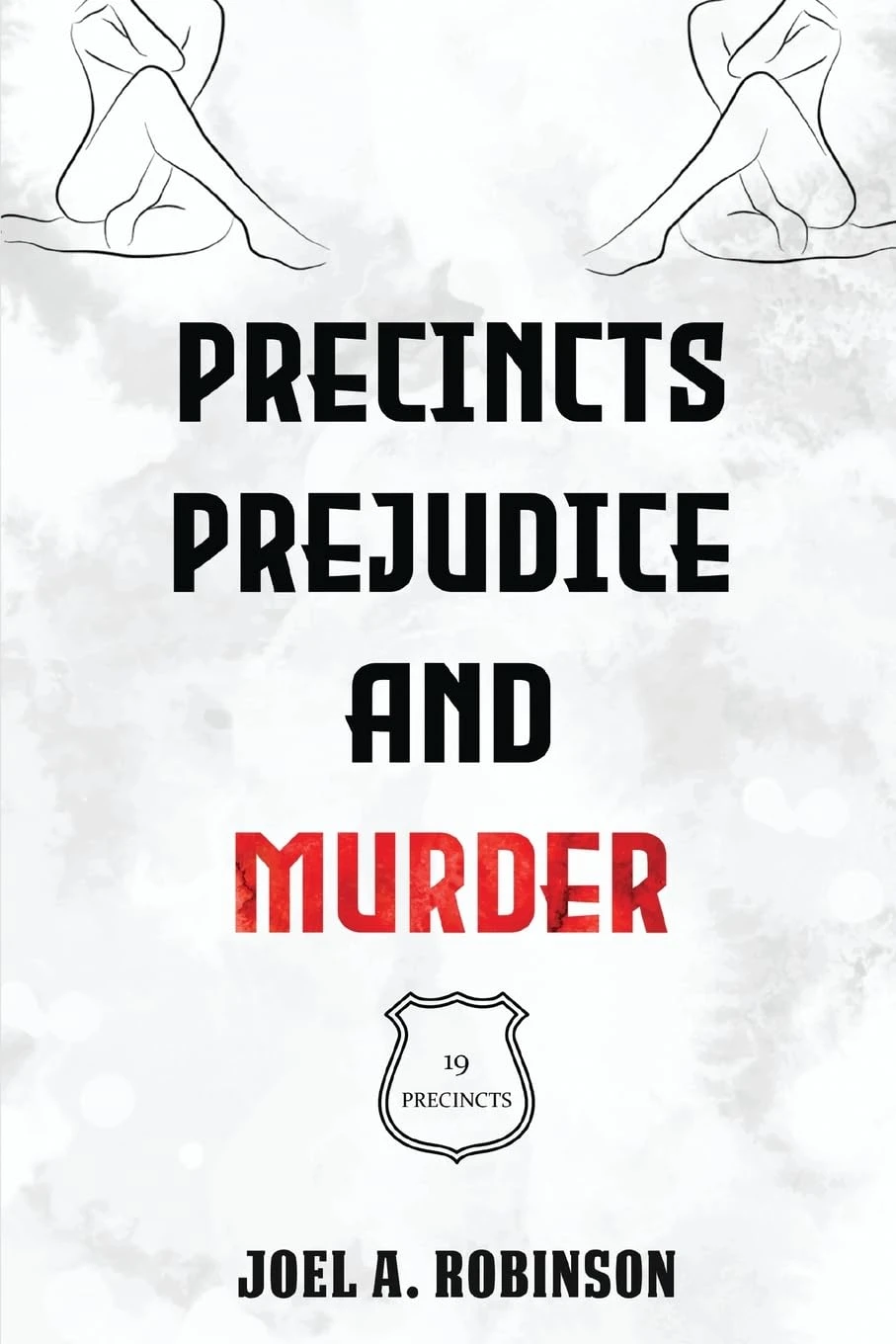
Embark on a riveting journey into crime fiction like never before with Joel A. Robinson's "Precincts, Prejudice and Murder." This captivating novel stands out by seamlessly weaving narrative innovation into its storytelling, breaking the mold of traditional crime fiction. This book is a must-read if you crave a fresh perspective on crime narratives, unpredictable twists, and characters that defy conventions. Elevate your reading experience and order "Precincts, Prejudice and Murder" by clicking here: https://www.amazon.com/dp/1088133495 for a thrilling dive into the genre's innovative future.








Sign in to leave a comment.