
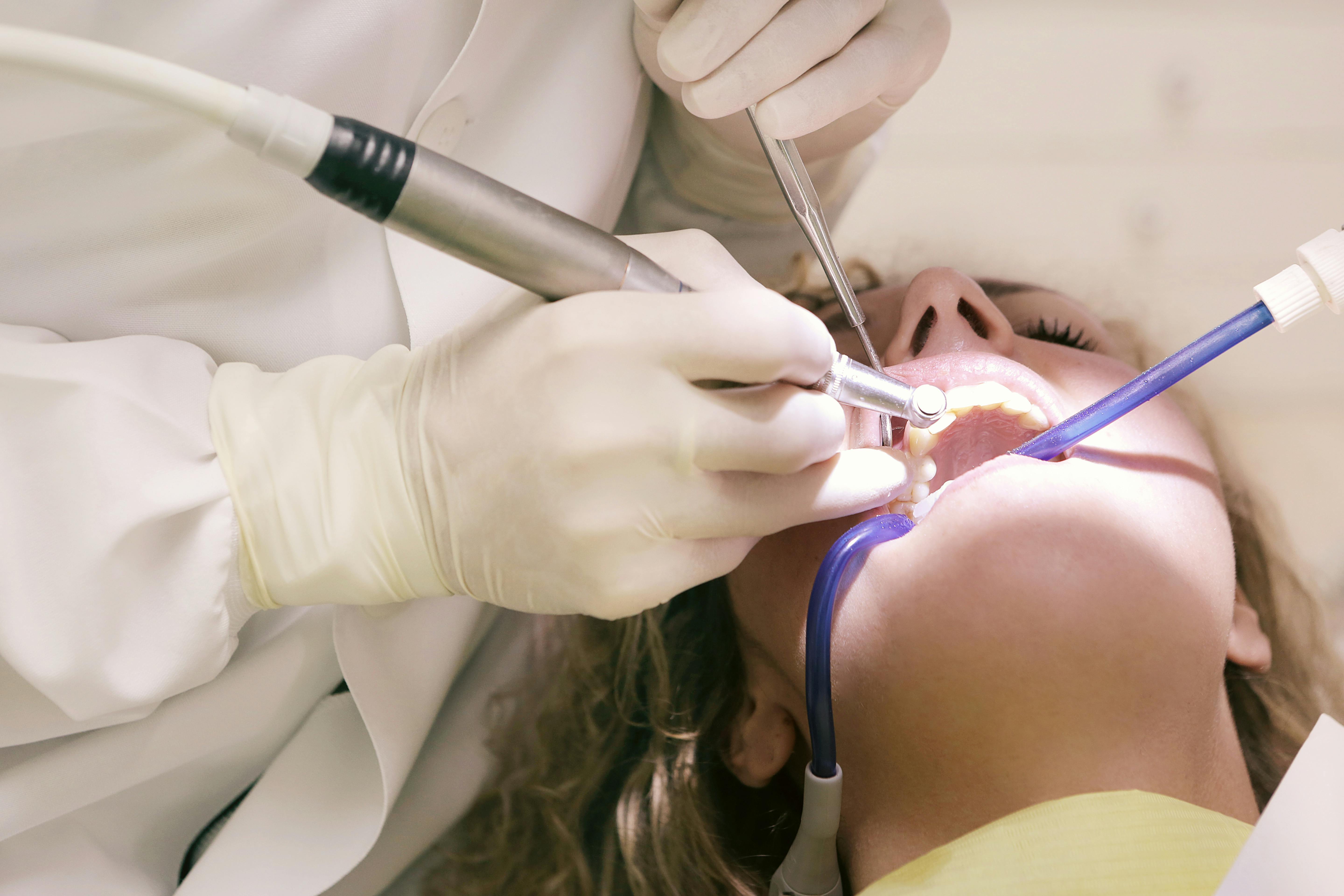
Are you considering alternatives to root canal treatment? As a dentist in Hutchinson, KS, I understand the concerns many patients have regarding traditional procedures. Often, the mere mention of a "root canal" can spark anxiety, leading many to search for a root canal natural cure or a more conservative approach to saving a tooth.
In the United States, approximately 15 million root canals are performed annually. While this procedure has a high success rate and is a staple of restorative dentistry, advancements in biological and regenerative dentistry in 2026 are providing patients with more options than ever before. In this article, we will explore some natural root canal alternatives that may provide relief while ensuring your dental health remains a priority.
1. Overview of Root Canal Treatments
To understand the alternatives, we must first look at why a root canal is recommended in the first place. Inside every tooth is a hollow area called the pulp chamber, which contains nerves, blood vessels, and connective tissue. When this pulp becomes infected—usually due to deep decay, a crack, or trauma—it can cause severe pain and lead to an abscess.
A traditional root canal involves removing the infected pulp, cleaning and disinfecting the canals, and sealing them with a material called gutta-percha. While effective at stopping the spread of infection, the procedure technically leaves the tooth "non-vital," meaning it no longer has a blood supply. This can make the tooth more brittle over time, often requiring a crown for protection.
2. Discussion of Natural Alternatives
For patients seeking a more holistic or "biological" approach, several alternatives focus on maintaining the tooth's vitality rather than removing it entirely. These treatments are often referred to as Vital Pulp Therapy (VPT).
Vital Pulp Therapy and Pulp Capping
If the decay hasn't fully compromised the entire pulp, we can often perform a procedure called pulp capping.
Direct Pulp Capping: This is used when the pulp is slightly exposed. A biocompatible material is placed directly over the exposure to stimulate the tooth to heal itself.
Indirect Pulp Capping: Used when the decay is very close to the pulp but hasn't reached it yet. A sedative filling is placed to encourage the dentin to "regrow" and protect the nerve.
Recent 2026 clinical data suggests that Vital Pulp Therapy has a success rate ranging from 85% to 95% in properly selected cases, allowing the tooth to remain alive and functional.
Ozone Therapy
Ozone therapy is a cornerstone of biological dentistry. Ozone ($O_3$) is a powerful antimicrobial gas that can kill bacteria, viruses, and fungi on contact. When applied to a deep cavity or an inflamed tooth, it can help sterilize the area and potentially reverse early-stage infections, sometimes eliminating the need for more invasive work.
Calcium Silicate-Based Materials (Bioceramics)
Instead of traditional chemicals, many holistic-minded dentists now use bioceramics like Mineral Trioxide Aggregate (MTA) or Biodentine. These materials are highly biocompatible, meaning they work in harmony with your body. They help seal the tooth and actually encourage the regeneration of natural tooth structure (dentin).
Platelet-Rich Fibrin (PRF)
PRF is a cutting-edge regenerative treatment where a small amount of the patient's own blood is processed to create a concentrated membrane of growth factors. In some advanced cases, PRF can be used to help "re-grow" or heal damaged dental pulp, harnessing the body's own natural healing power.
3. Advice from a Dentist in Hutchinson, KS
When patients in our Hutchinson community ask about a "natural cure" for an infected tooth, it is important to lead with honesty: A tooth infection will not resolve on its own. While herbal rinses or essential oils like clove oil can provide temporary pain relief, they cannot reach the bacteria trapped deep inside the root system.
As a dentist in Hutchinson, KS, my advice is to prioritize early intervention.
"The 'natural' choice is always to prevent the infection before it starts. By the time a tooth is throbbing, the options become more limited. However, if caught early, bioceramic pulp capping or ozone therapy can often save the nerve and keep your tooth 'alive'—which is the ultimate goal of biological dentistry."
When Extraction is the Alternative
If a tooth is too far gone for a root canal or any vital pulp therapy, the final alternative is extraction. While this "removes" the problem, it creates a new one: a gap in your smile. In a holistic framework, we recommend replacing the missing tooth with a Zirconia (ceramic) implant or a biocompatible bridge to maintain your bite and bone health.
4. Statistics and Trends in 2026
The landscape of dental care in Kansas and across the USA is shifting toward prevention. According to 2026 dental health reports:
1 in 4 adults still struggle with untreated cavities, which are the primary lead-in to root canal procedures.
75% of Americans now prioritize "preventive-first" care, seeking out treatments that preserve as much natural tooth structure as possible.
In Kansas, specifically, there has been a 15% increase in patients requesting "metal-free" and biocompatible dental options over the last three years.
5. Conclusion
There is no magical "root canal natural cure" that works like a pill, but there are absolutely biological alternatives that can save your tooth's vitality. Whether it's through the use of ozone, laser disinfection, or advanced bioceramic materials, the goal of modern dentistry is to be as conservative as possible.
If you are experiencing tooth pain or have been told you need a root canal, don't panic. Consulting with a dentist in Hutchinson, KS, who understands both traditional and regenerative options will help you make the best decision for your unique health needs. Your natural teeth are precious—preserving them is our highest priority.
Sign in to leave a comment.