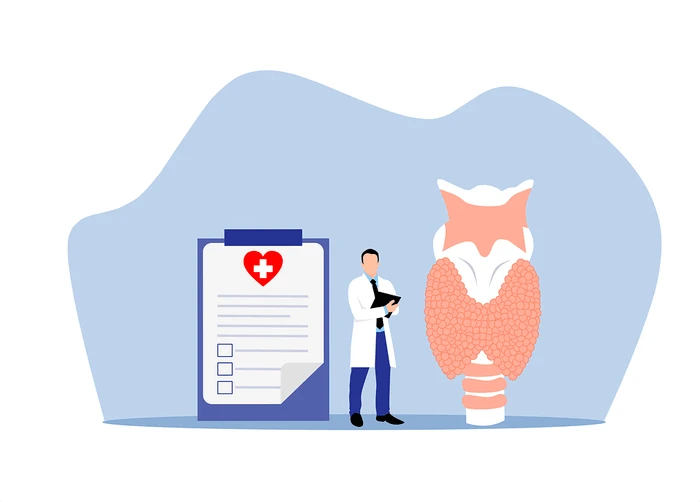

Hypothyroidism, a condition where the thyroid gland doesn't produce enough thyroid hormone, can have a profound impact on your metabolism and overall well-being. This guide will help you understand the symptoms of hypothyroidism, its effects on your body, and the available treatment options, including hormone replacement therapy.
By taking proactive steps to manage your thyroid health, you can lead a healthier, more balanced life.
Understanding Hypothyroidism
The thyroid gland, located in the neck, plays a crucial role in regulating metabolism, energy levels, and overall health. When it becomes underactive, it fails to produce sufficient thyroid hormones, leading to hypothyroidism.
This condition can affect various bodily functions and is more common in women, particularly those over the age of 60.
Symptoms of Hypothyroidism
Hypothyroidism symptoms can vary in severity and may develop slowly, making them easy to overlook. Common symptoms include:
Fatigue: Persistent tiredness and lack of energy.Weight Gain: Unexplained weight gain or difficulty losing weight.Cold Intolerance: Increased sensitivity to cold temperatures.Depression: Feelings of sadness or depression.Constipation: Difficulty with bowel movements.Dry Skin and Hair: Dry, rough skin and brittle hair.Muscle Weakness: Muscle aches and weakness.Memory Problems: Difficulty concentrating or memory issues.Recognizing these symptoms early and seeking medical advice is crucial for effective management.
Effects on Metabolism and Overall Health
Hypothyroidism can significantly affect metabolism, leading to a slowdown in various bodily functions. This can result in weight gain, increased cholesterol levels, and other health issues.
It can also impact mental health, causing depression and cognitive difficulties. Understanding these effects is essential for managing the condition effectively.
Treatment Options for Hypothyroidism
The primary treatment for hypothyroidism is hormone replacement therapy, which involves taking synthetic thyroid hormones to restore normal levels in the body. Here are some key aspects of this treatment:
Levothyroxine: The most commonly prescribed medication for hypothyroidism. It’s a synthetic form of thyroxine (T4), which the body converts into the active hormone triiodothyronine (T3).Regular Monitoring: Patients need regular blood tests to monitor thyroid hormone levels and adjust medication dosages accordingly.Lifestyle Adjustments: Maintaining a healthy diet, regular exercise, and managing stress can help support thyroid health.Avoiding Certain Foods and Supplements: Some foods and supplements can interfere with thyroid hormone absorption. It’s essential to take medication on an empty stomach and avoid certain foods close to medication times.
Lifestyle Tips for Managing Thyroid Health
In addition to medication, lifestyle modifications can play a significant role in managing hypothyroidism:
Balanced Diet: Eating a diet rich in fruits, vegetables, lean proteins, and whole grains supports overall health. Including iodine-rich foods, such as seafood and dairy, can help maintain thyroid function.Regular Exercise: Physical activity can help boost metabolism and manage weight, which is crucial for hypothyroidism patients.Stress Management: Chronic stress can affect thyroid function. Practices like yoga, meditation, and deep-breathing exercises can help manage stress levels.Adequate Sleep: Ensuring you get enough rest is vital for overall health and well-being.Innovations in Hypothyroidism Care
Advancements in medical technology and telemedicine have made managing hypothyroidism more convenient:
Mobile Health Apps: Apps can help track symptoms, medication schedules, and dietary habits, providing valuable insights for better management.Telemedicine: Online medical consultationswith healthcare providers allow for regular monitoring and adjustments to treatment plans without frequent in-person visits.The Role of Online Medical Services
Online medical services, like those offered by TelMDCare, are invaluable for managing hypothyroidism. They provide patients with the ability to schedule online doctor appointments, speak to doctors online, and receive virtual prescriptions for thyroid medications. This accessibility ensures continuous care and timely adjustments to treatment plans.
From Diagnosis to Management: TelMDCare’s Comprehensive Thyroid Care
Effective management of hypothyroidism requires a combination of medication, lifestyle adjustments, and regular monitoring.
TelMDCare provides affordable online healthcare, making it easier for patients to manage their migraines effectively. By utilizing online doctor appointments and virtual doctor consultations, patients can access primary care doctors and specialists from the comfort of their homes.
Book your online doctor appointment with TelMDCare and start your journey towards a life free from hypothyroidism.
Contact TelMDCare if you have any questions.












Sign in to leave a comment.